"Taking the Slow Lane to Green Transition in the China-Pakistan Economic Corridor" - by CWP alum Hong Zhang
Pakistan’s summer sun is relentless, but its golden rays may hold a promising clean energy solution.
During my visit to that country last summer, an energy sector expert I met expressed amazement that Pakistan had imported 13 gigawatts of solar modules from China in the first six months of 2024. Media reports celebrated how even remote villages were adopting rooftop solar systems. International observers lauded Pakistan’s “stunning solar boom.”
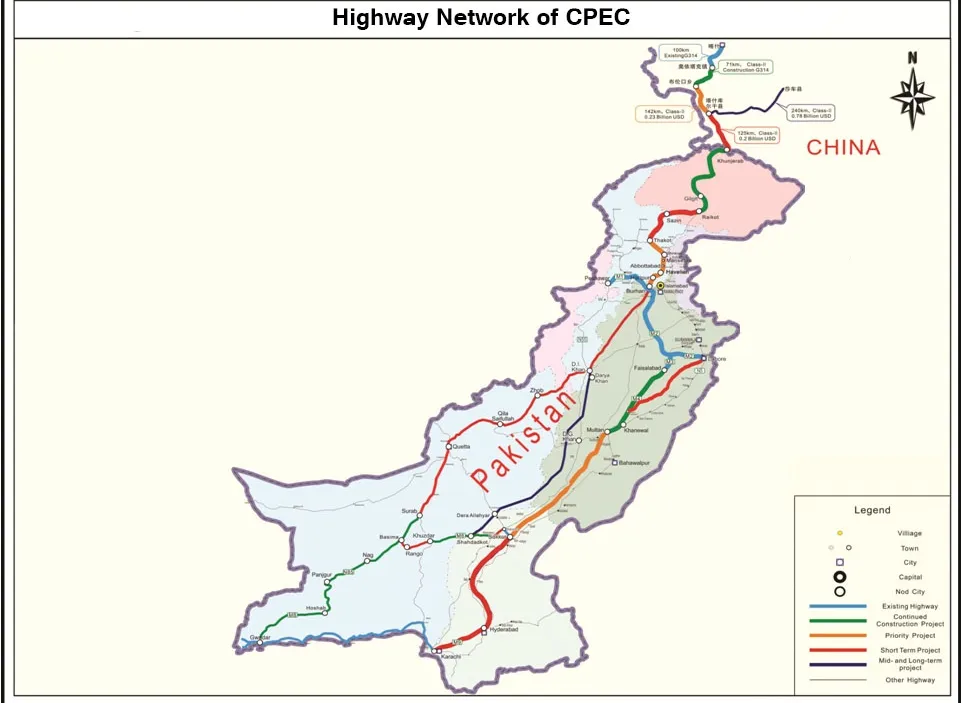
Pakistan and China have been cooperating under the China-Pakistan Economic Corridor (CPEC) agreement for almost a decade now. It once was hailed as a “game changer” for Pakistan’s economy. Yet the agreement has been marred by financial troubles and security concerns for years.
In an effort to revive the bilateral initiative, leaders from both countries presented an “upgraded version” with a new “green corridor” in October 2024, opening the door for solar to become the next big investment in CPEC.
Taking a closer look at CPEC’s trajectory paints a more pessimistic picture. Chinese investments have expanded Pakistan’s energy capacity, but also left a legacy of coal-fired power plants. This heavy reliance on coal and misaligned energy policies have hindered solar power. Thus, China now must learn from this failure—and align its future investments with Pakistan’s actual renewable energy (RE) potential.
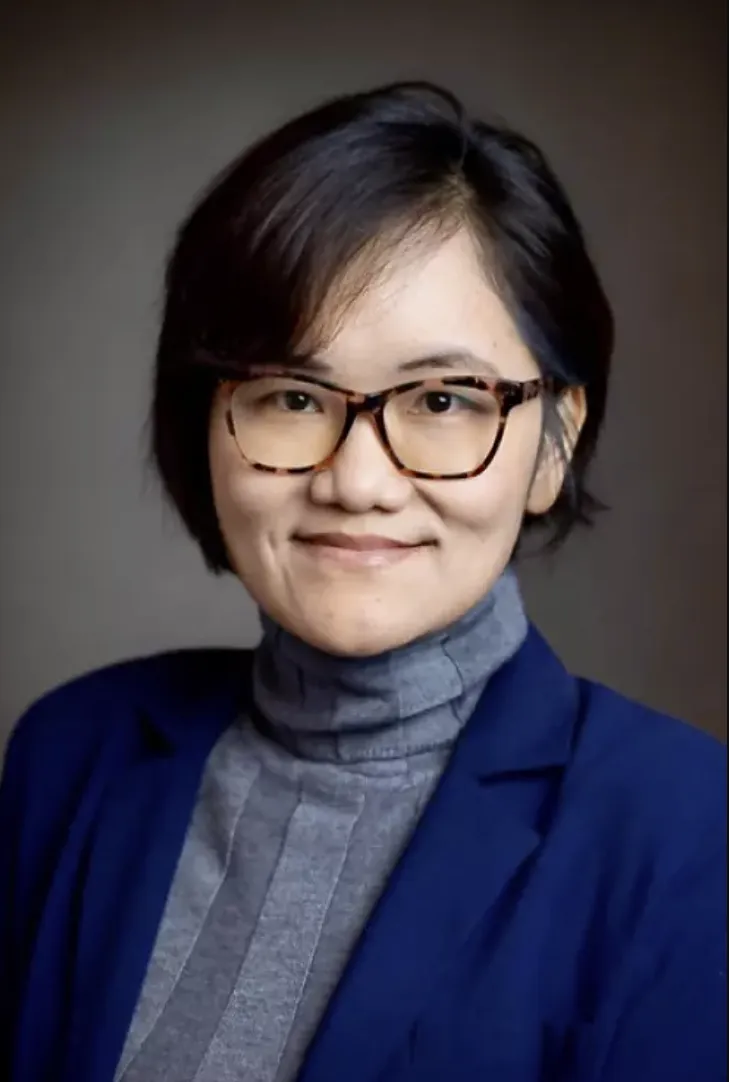
Hong Zhang is an Assistant Professor in the International Studies Department. With a PhD in Public Policy from George Mason University, her research focuses on China’s role in global development, particularly in infrastructure development and industrialization. Her fieldwork has taken her to various countries in Asia and Africa to examine China’s developmental impact. She co-edits the People’s Map of Global China and the Global China Pulse journal, initiatives that foster collective efforts to study China’s global presence. Prior to joining Indiana University, she was a China Public Policy Postdoctoral Fellow at Harvard University's Kennedy School of Government (2022-2024), a Postdoctoral Fellow at Johns Hopkins University's School of Advanced International Studies and the Columbia-Harvard China and the World Program (2021-2022). She holds a Master's degree in Sociology from the London School of Economics and Political Science, and a Bachelor's degree in Economics from Renmin University of China.
Photo Credit: By Government of Pakistan - http://www.pc.gov.pk/wp-content/uploads/2016/01/Highway-Network-of-cpac-new.jpg, Public Domain, https://commons.wikimedia.org/w/index.php?curid=48972437