"A Middle Powers Club Would Make the World More Dangerous" - by CWP alum Manjari Chatterjee Miller
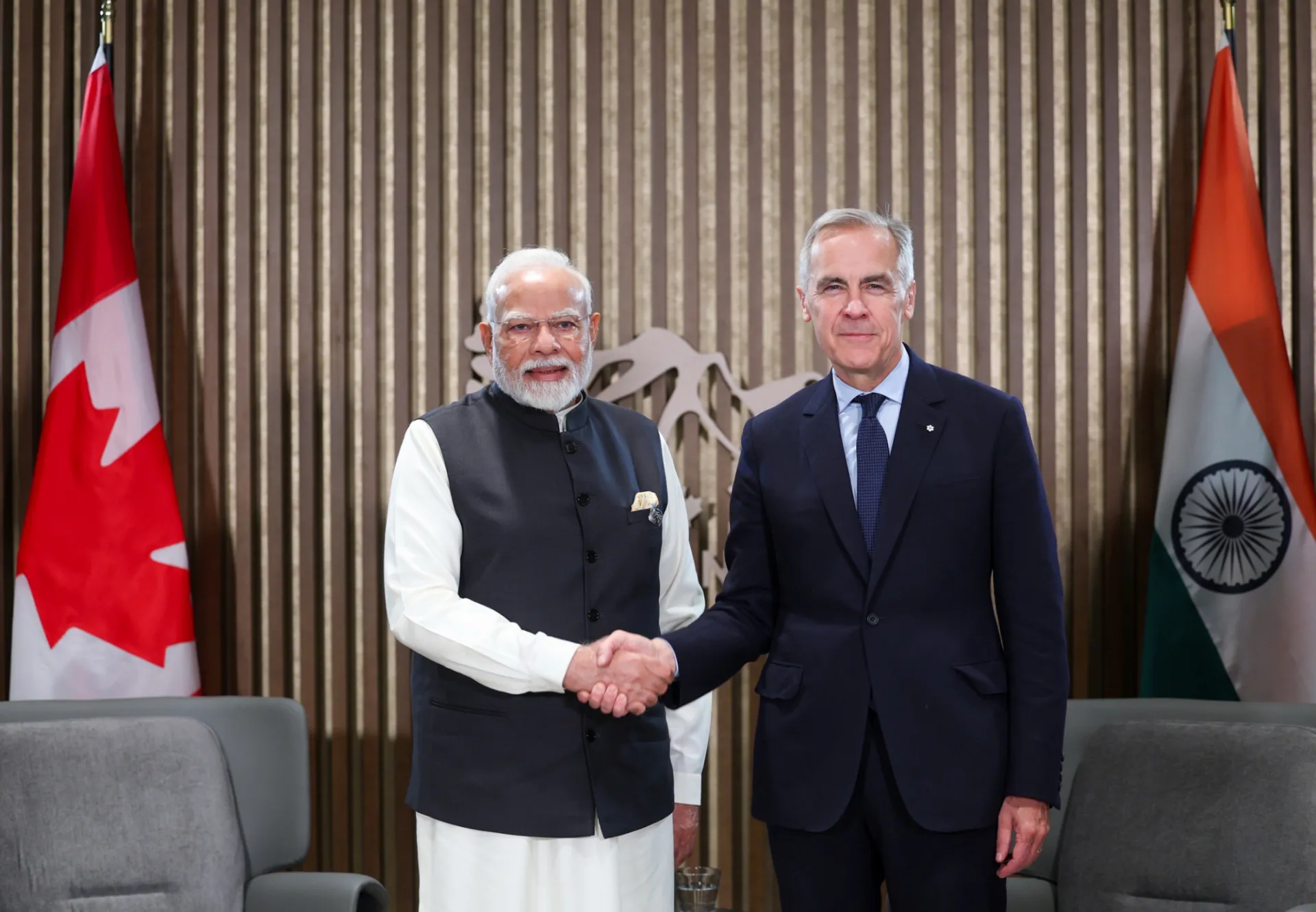
Canadian Prime Minister Mark Carney has embarked on a weeklong diplomatic mission to India, Australia, and Japan. The sight of a North American country working with three of the Indo-Pacific’s largest economies to negotiate trade deals and speed diversification away from the United States—unthinkable just a year ago—underscores the new salience of middle powers. But while middle-power diplomacy has suddenly become ubiquitous, there is a widespread misunderstanding of not only the nature of these countries but also the risks of their collective rise.
The idea of middle powers banding together was first put forth by Carney at this year’s World Economic Forum in Davos, Switzerland. It marked a watershed moment in contemporary international relations. A key U.S. ally and neighbor stood up and announced that the liberal international order had ruptured because its primary architect, the United States, was actively endangering it. In response, Carney called on middle powers to work together to navigate this new world.
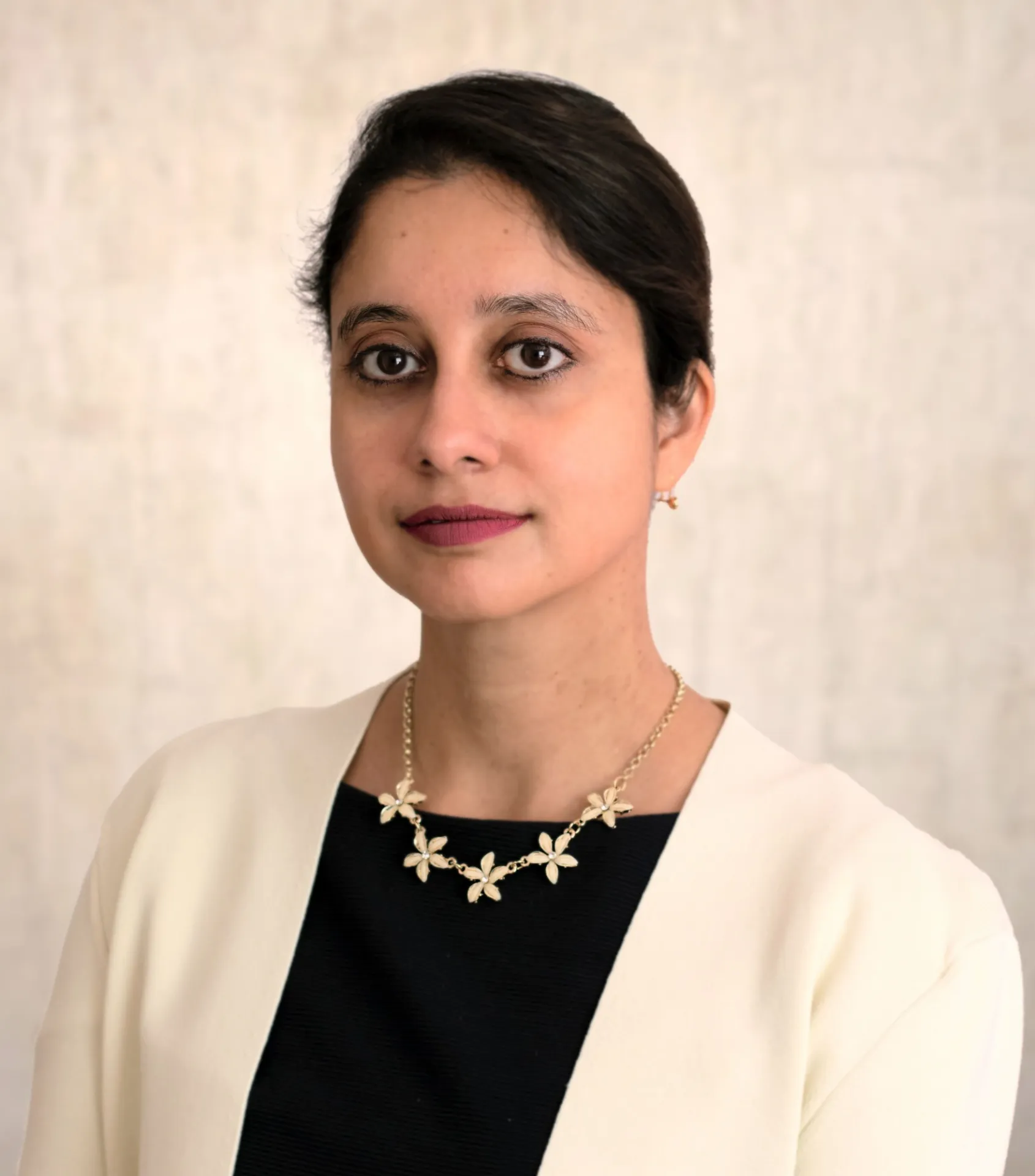
Manjari Chatterjee Miller is Professor of international relations, and the inaugural Munk Chair in Global India at the Munk School. She is a Senior Fellow at the Council of Foreign Relations. She is also an associate at the Asia Center, Harvard University. An expert on India, China, and rising powers, she is the author of Why Nations Rise: Narratives and the Path to Great Power (2021, shortlisted for the 2022 Hedley Bull Prize in International Relations), Wronged by Empire: Post-Imperial Ideology and Foreign Policy in India and China (2013), and the co-editor of the Routledge Handbook of China-India Relations (2020).
Previously, Miller was a tenured associate professor of international relations at the Pardee School of Global Studies, and the director of the Rising Powers Initiative at the Pardee Center, Boston University. She has also been a non-resident fellow at the Atlantic Council, a fellow at the Belfer Center of Science and International Affairs at Harvard University, a visiting associate professor at the Lee Kuan Yew School of Public Policy at the National University of Singapore, and a visiting scholar at the Chinese Academy of Social Sciences, and the Crawford School of Public Policy at Australian National University. She has published numerous articles in peer-reviewed and policy journals, and chapters in edited books. She serves on the international advisory board of Chatham House's International Affairs journal and the editorial board of the National Bureau of Asian Research's Asia Policy journal, and her research has been supported by grants and fellowships from multiple institutions. A frequent contributor to media and policy outlets in the United States and abroad, from 2020-2024 Miller was a columnist for the Hindustan Times. Miller received a BA from the University of Delhi, an MSc from the University of London, and a PhD from Harvard University. She was a post-doctoral fellow in the China and the World Program at Princeton University.
Photo Credit: https://foreignpolicy.com/2026/03/03/middle-powers-canada-carney-liberal-international-order/?tpcc=recirc_latest062921