
"Memorandum on Reducing the Risk of U.S.-China Conflict in Maritime East Asia" - by CWP alum Isaac B. Kardon
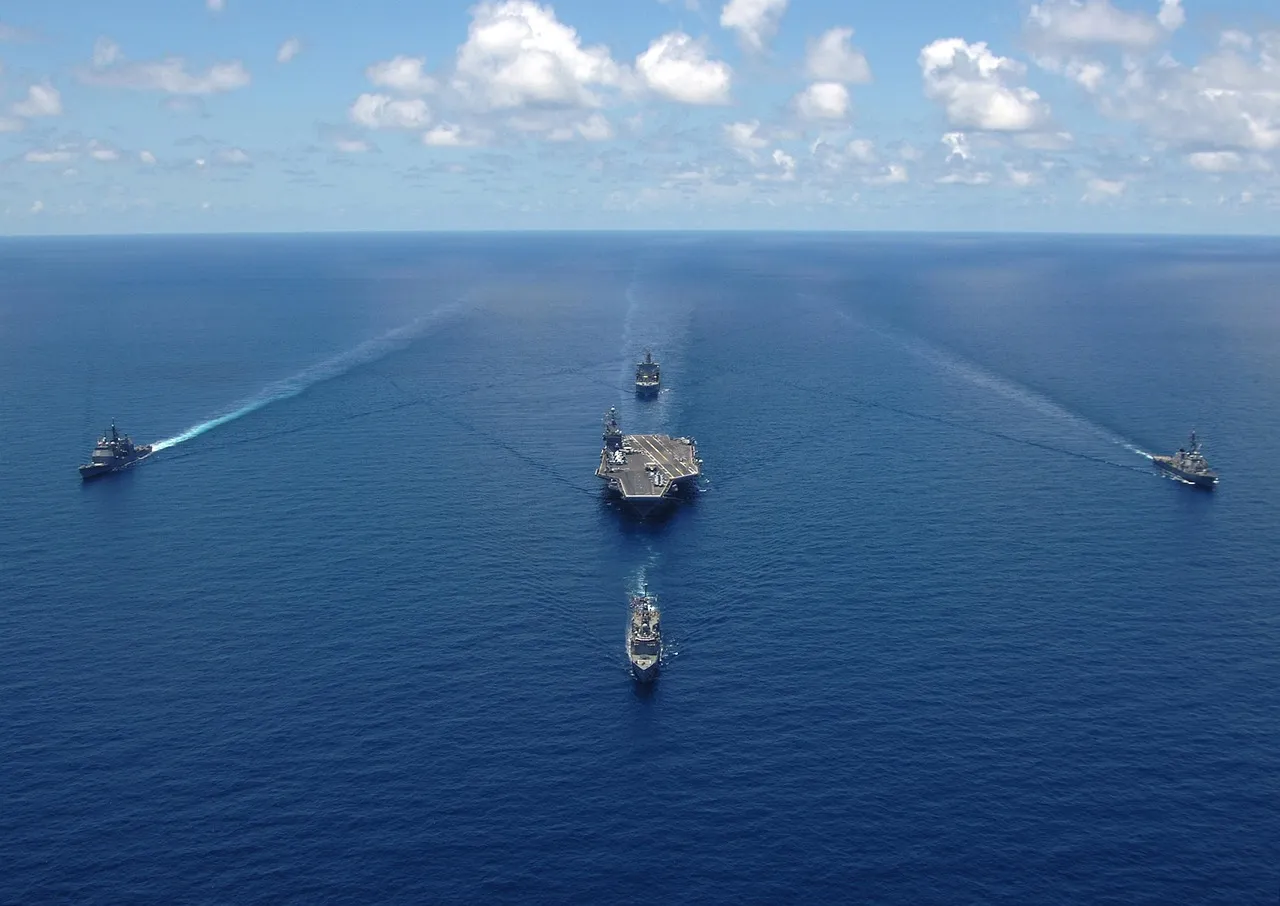
Rather than directly confront the United States in East Asia, China has opted to undermine the American-led regional alliance system. This strategy sidelines American military power and erodes allied confidence in its commitments to mutual defense. China targets third parties in ways that could ignite U.S.-China crisis and conflict if American leaders do not attend to allies’ insecurities. This memorandum (1) analyzes the underlying logic and historical basis of this problem, (2) maps escalatory pathways and incentives, and (3) advises American decisionmakers to better coordinate within Washington and among allies. The underlying objective is to diminish China’s incentives to take actions that could escalate to regional or global conflict.
Red lines are ill-suited to the gray zone challenge China poses to the United States and its allies in maritime East Asia. Deterring China from taking actions that risk catastrophic war will require a more disciplined consideration of concrete U.S. interests at stake in maritime East Asia and a more strategic, less sentimental approach to alliance management.
Isaac B. Kardon, Ph.D., (孔适海博士) is a senior fellow for China studies at the Carnegie Endowment for International Peace. He is concurrently adjunct professor at Johns Hopkins SAIS, and was formerly assistant professor at the U.S. Naval War College (NWC), where he served as a research faculty member in the China Maritime Studies Institute.
Isaac’s research centers on the People’s Republic of China’s maritime power, with specialization in maritime disputes and the international law of the sea, Chinese global port development, China-Pakistan relations, and the People’s Liberation Army’s overseas basing. His writing appears in International Security, Security Studies, Foreign Affairs, the New York Times, the Naval War College Review, as well as other scholarly and policy publications. Isaac’s book, China’s Law of the Sea: The New Rules of Maritime Order (Yale, 2023) analyzes whether and how China is “making the rules” of regional and global order.
At Carnegie, Isaac is building on his foundation of research on China in the maritime domain to explore China’s role in the wider global commons. High seas, deep seabed, polar regions, and orbital space are among the “strategic frontier issues” prioritized by China’s leadership—and thus key sites to observe China’s interests in and influence on vital global rules, norms, and standards. China’s interest in leading the nascent regime for deep sea mining is a particular area of research focus. He is also continuing “past the pier” on his existing stream of research on PRC ports to further study China’s development of transport and communications infrastructure networks with dual civilian and military functions.
Isaac earned a Ph.D. in government from Cornell University, an M.Phil in modern Chinese studies from Oxford University, and a B.A. in history from Dartmouth College. He was a China & the World post-doctoral fellow at Princeton University, and has held visiting appointments at NYU School of Law, Academia Sinica, and the PRC National Institute for South China Sea Studies. He studied Chinese (Mandarin) at Peking University, Tsinghua University, Hainan University, and National Taiwan Normal University.