"IR Theory and Australia’s Policy Change Towards China, 2017-2022: An Introductory Essay" by CWP alum Kai He
The bilateral relationship between Australia and China has undergone significant challenges and fluctuations in recent years, arousing substantial interest among scholars in the field of International Relations (IR). This paper examines Australia’s policy changes towards China during the period of 2017–2022 from an IR theory perspective. By critically evaluating the strengths and weaknesses of prevailing arguments through the theoretical lenses of three IR paradigms—realism, liberalism, and constructivism—this paper not only provides insights into the primary factors behind the continuous and dramatic downturns in Australia-China relations over these five years (2017-2022) but also establishes a foundation for further examinations and debates among scholars. It argues that no single IR theory can fully capture the dynamic and intricate nature of states’ foreign policy and international relations. Therefore, it is crucial for scholars to adopt a ‘toolbox approach’, selectively utilizing different theoretical frameworks from competing schools of thought and drawing upon useful instruments from other disciplines. The three papers in this special section at JCC further illustrate how a theoretically eclectic approach can help better understand the dynamic economic, political, and security relations between Australia and China.
IR Theory and Australia’s Policy Change Towards China, 2017-2022: An Introductory Essay
Kai He & Huiyun Feng Published online: 11 Jun 2024 https://doi.org/10.1080/10670564.2024.2365246
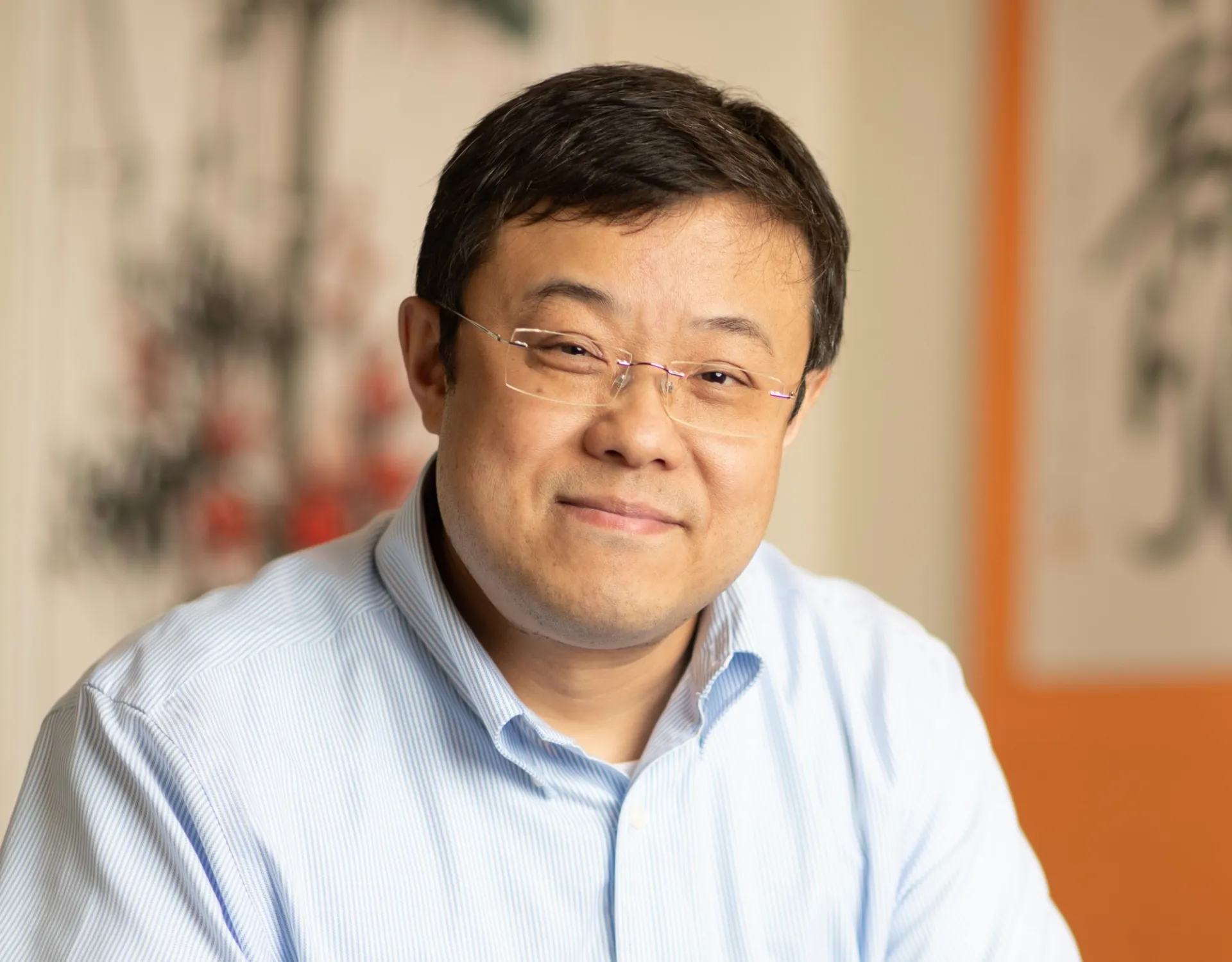
Kai He is Professor of International Relations and Director of the Centre for Governance and Public Policy, Griffith University, Australia. He was an Australian Research Council (ARC) Future Fellow (2017-2020). He is the author of "Institutional Balancing in the Asia Pacific: Economic Interdependence and China's Rise" (Routledge, 2009) and "China’s Crisis Behavior: Political Survival and Foreign Policy" (Cambridge, 2016). He is a co-author of "Prospect Theory and Foreign Policy Analysis in the Asia Pacific: Rational Leaders and Risky Behavior" (with Huiyun Feng, Routledge, 2013), and "How China Sees the World: Insights from Chinese International Relations Scholars" (with Huiyun Feng and Xiaojun Li, Palgrave, 2019). He is an editor/co-editor of "Contested Multilateralism 2.0 and Asian Security Dynamics" (Routledge 2020), "China’s Challenges and International Order Transition: Beyond 'Thucydides’s Trap'" (co-edited with Huiyun Feng, University of Michigan Press, 2020), "Chinese Scholars and Foreign Policy: Debating International Relations" (with Huiyun Feng and Xuetong Yan, Routledge, 2019), and "US-China Competition and the South China Sea Disputes" (with Huiyun Feng, Routledge, 2018). His forthcoming book includes "Contesting Revisionism: the United States, China, and Transformation of International Order" (with Steve Chan, Huiyun Feng, Weixing Hu, Oxford, 2021).
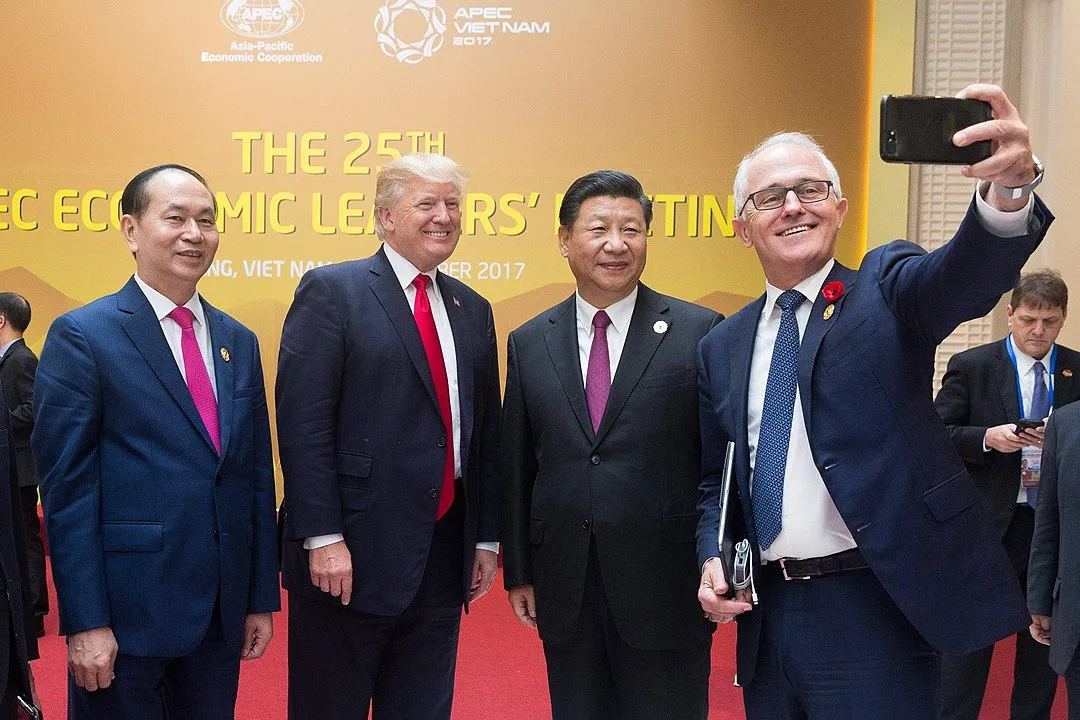
Photo Credit: By US Embassy Canberra - https://www.facebook.com/au.usembassy.gov/posts/10155938025341383, Public Domain, https://commons.wikimedia.org/w/index.php?curid=64095256