"India, the United States, and Diverging Climate and Energy Norms" by CWP alum Manjari Chatterjee Miller
The Trump administration has just announced it will revoke a policy from the Obama era that declared carbon dioxide and other greenhouse gases a threat to public health and welfare. That declaration of endangerment had served as the legal foundation for almost all climate regulations put in place since 1970 by the Clear Air Act, which regulates many sources of pollution such as power plants and motor vehicles.
The revocation aligns with the administration’s skeptical approach to climate and energy norms. President Donald Trump has himself called climate change a “hoax” and green energy a “scam.” Since he took office in January 2025, the U.S. government has centered its climate and energy policy on expanding fossil fuel production while rolling back climate regulations and renewable energy support. The Heritage Foundation’s Project 2025, following the principle that Biden-era climate regulations “[impoverished] Americans and [made] China rich,” provided the Trump administration with a blueprint for such policies: nearly two-thirds of Trump’s early executive actions mirrored proposals from Project 2025.
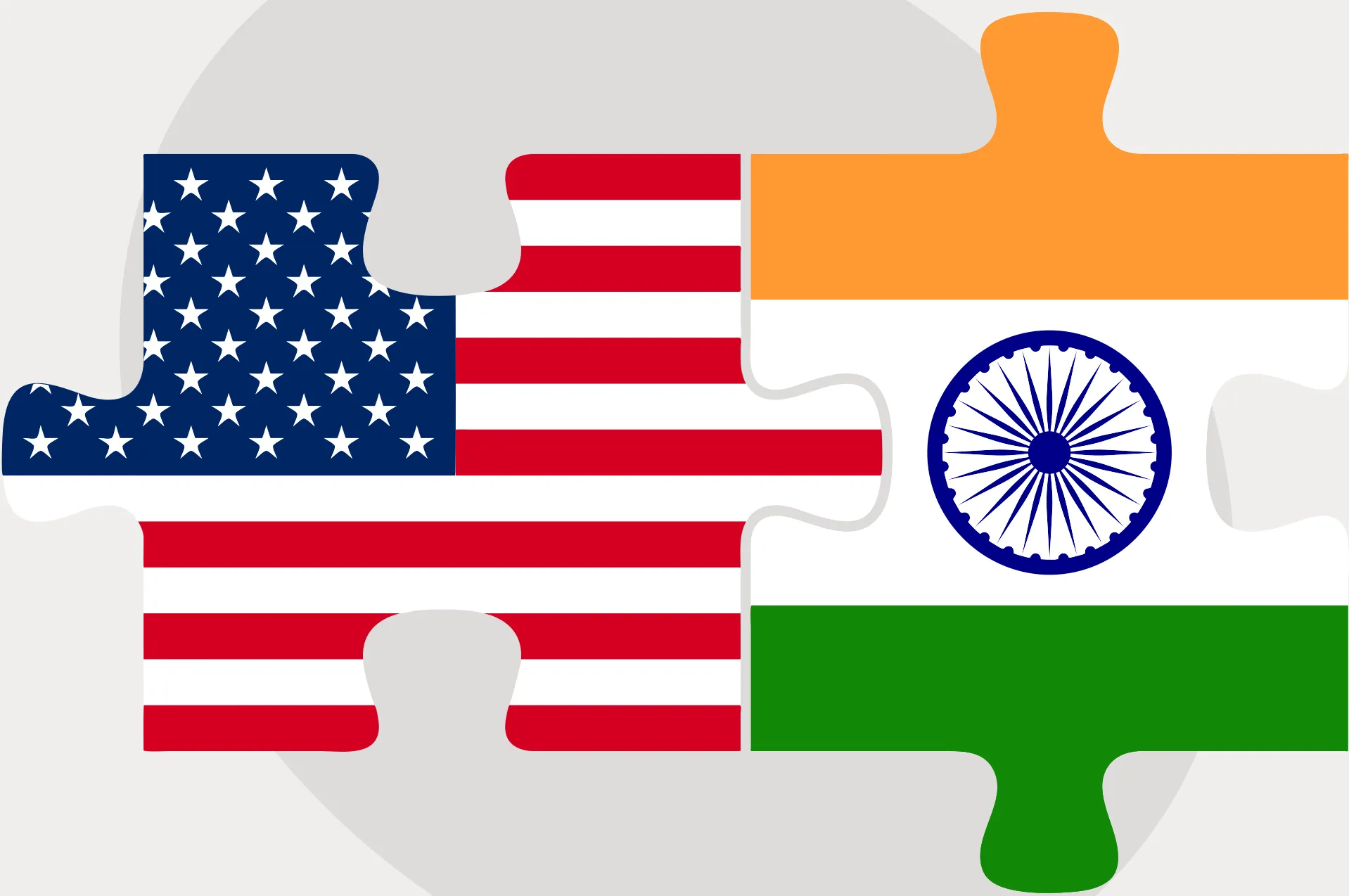
The U.S. volte-face on climate and energy norms and global leadership has implications not just for the liberal international order but for countries such as India that have, in the past, been themselves recalcitrant on such norms. Today, particularly in comparison with the United States, India seems positively forward-facing, making an astonishing pivot on previous climate and energy policies while at the same time emphasizing its national and security interests. This turnaround has also led to tension with the Trump administration—particularly on oil energy and India’s reliance on Russian oil.
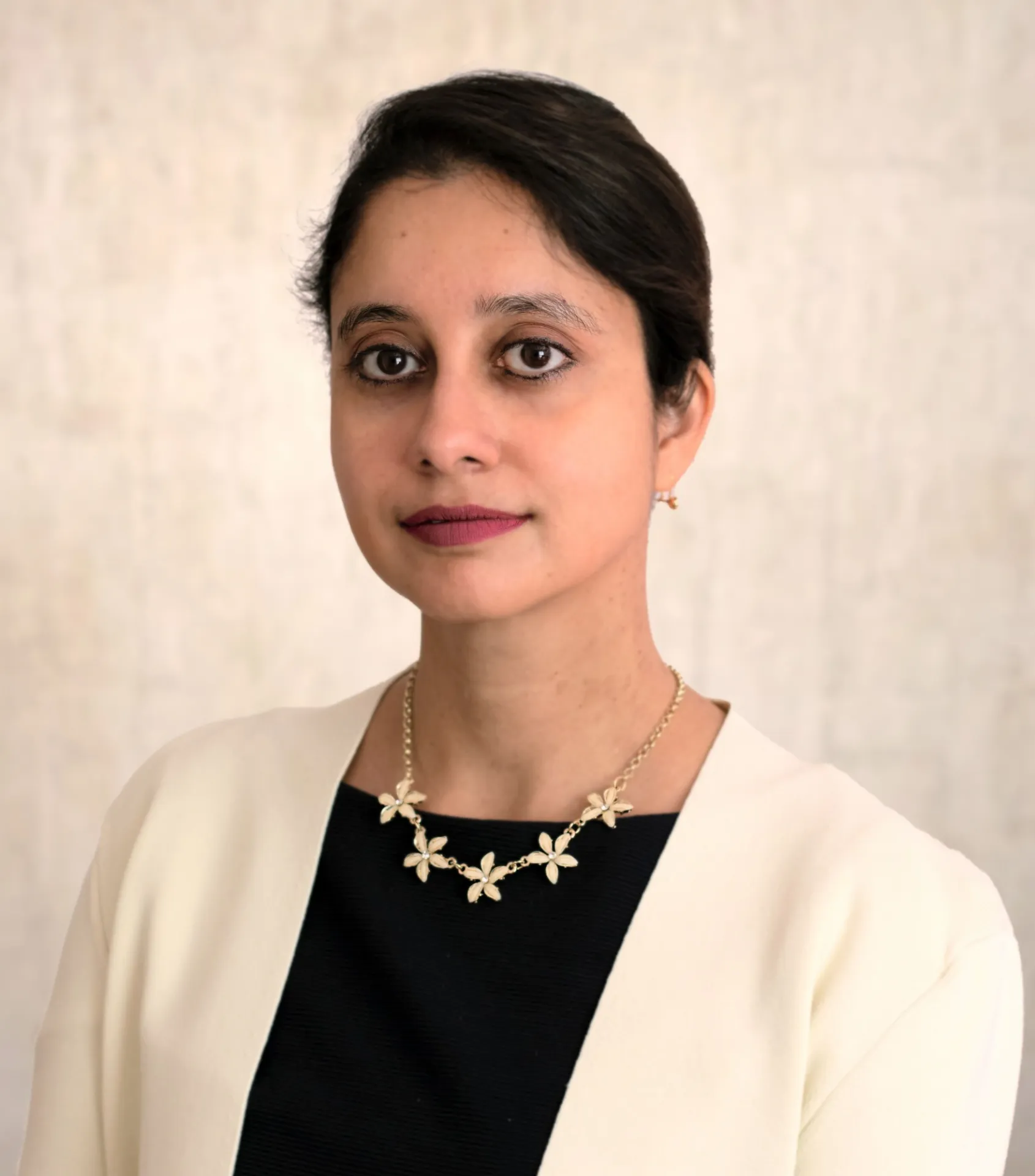
Manjari Chatterjee Miller is a senior fellow for India, Pakistan and South Asia at the Council on Foreign Relations (CFR) and professor of international relations at the Munk School of Global Affairs and Public Policy at the University of Toronto where she also holds the inaugural Munk Chair in Global India. She is also an associate at the Asia Center, Harvard University. An expert on India, China, and rising powers, she is the author of Why Nations Rise: Narratives and the Path to Great Power (2021, shortlisted for the 2022 Hedley Bull Prize in International Relations), Wronged by Empire: Post-Imperial Ideology and Foreign Policy in India and China (2013), and the co-editor of the Routledge Handbook of China-India Relations (2020).
Previously, Miller was a tenured associate professor of international relations at the Pardee School of Global Studies, and the director of the Rising Powers Initiative at the Pardee Center, Boston University. She has also been a non-resident fellow at the Atlantic Council, a fellow at the Belfer Center of Science and International Affairs at Harvard University, a visiting associate professor at the Lee Kuan Yew School of Public Policy at the National University of Singapore, and a visiting scholar at the Chinese Academy of Social Sciences, and the Crawford School of Public Policy at Australian National University. She has published numerous articles in peer-reviewed and policy journals, and chapters in edited books. She serves on the international advisory board of Chatham House’s International Affairs journal and the editorial board of the National Bureau of Asian Research’s Asia Policy journal, and her research has been supported by grants and fellowships from multiple institutions. A frequent contributor to media and policy outlets in the United States and abroad, from 2020-2024 Miller was a columnist for the Hindustan Times. Miller received a BA from the University of Delhi, an MSc from the University of London, and a PhD from Harvard University. She was a post-doctoral fellow in the China and the World Program at Princeton University.
Photo Credit: