
"How China Armed Itself for the Trade War" by CWP alum Zongyuan Zoe Liu
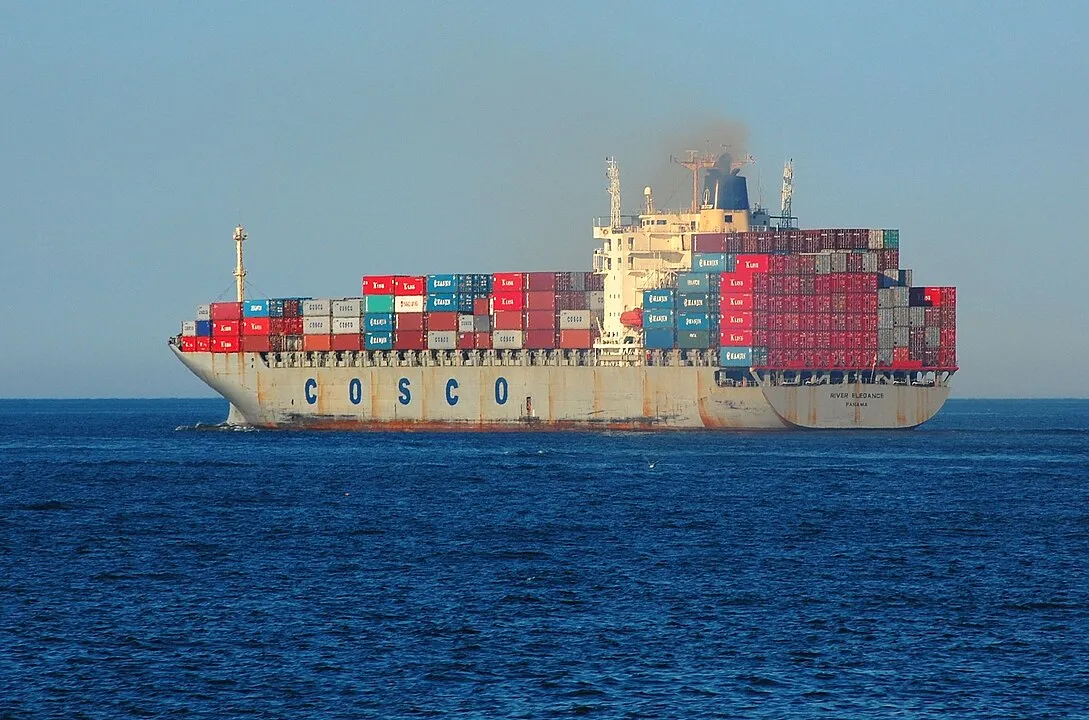
How did the world’s two largest economies stumble toward a trade war that neither truly seeks and which the rest of the world can’t afford? Following U.S. President Donald Trump’s “Liberation Day” ceremony on April 2, during which he unveiled tariffs of varying levels on all of Washington’s trade partners, the United States and China have engaged in several rounds of tit-for-tat escalation, driving tariffs between the two countries to prohibitively high levels. By April 11, tariffs on Chinese goods entering the United States had reached 145 percent, while U.S. goods entering China reached 125 percent. Unless the two countries carve out broad exemptions, the $700 billion in annual bilateral trade between them could shrink by as much as 80 percent over the next two years. Markets have responded negatively to the looming trade war, and many economists and analysts have struggled to explain what the Trump administration is trying to achieve.
Beijing’s High-Risk Approach to Its Economic Confrontation With Washington - Zongyuan Zoe Liu - April 29, 2025
ZONGYUAN ZOE LIU is Maurice R. Greenberg Senior Fellow for China Studies at the Council on Foreign Relations and the author of Sovereign Funds: How the Communist Party of China Finances Its Global Ambitions.
By Fletcher6 - Own work, CC BY-SA 3.0, https://commons.wikimedia.org/w/index.php?curid=11253486