"The Greatest Danger in the Taiwan Strait" - by CWP alum Joel Wuthnow
Tension across the Taiwan Strait has raised fears that Beijing and Taipei could soon find themselves at war. Most observers imagine two possible avenues that could lead to conflict. In a so-called war of choice, Beijing could try to capture Taiwan by force after careful consideration of the economic, military, and political risks. Such an aggressive action without explicit provocation would reflect Chinese leaders’ judgment that the island could be taken at minimal cost. Alternately, Beijing might launch a so-called war of necessity if it felt that Taiwan had crossed a political redline that permanently threatened China’s control of the island. A formal declaration of independence in Taipei, for example, would likely trigger a military response from Beijing regardless of the costs.
吴志远:台湾海峡最大的危险是什么?
译者注:吴志远博士为美国国家防务大学战略研究所高级研究员,《中国谋求军事霸权》(China’s Quest for Military Supremacy)一书的合著者。本文仅代表作者个人观点。本文为“快译闪电轮”成果,由译者根据 Foreign Affairs 网站于 2025 年9月12日刊载的“台湾海峡最大的危险是什么?–即便中国避免选择性战争(War of Choice),一次误判也可能引爆偶发性战争”(The Greatest Danger in the Taiwan Strait:Even If China Avoids a War of Choice, a Miscalculation Could Spark a War of ChanceThe Greatest Danger in the Taiwan Strait》一文快速翻译。译文和文内短评仅供学术与政策研究参考,不代表卡特中心或“中美印象”的观点。如与原文存在出入,请以英文原文为准。
台湾海峡紧张局势不断升温,引发外界担忧:北京与台北可能在不久的将来爆发战争。大多数观察者设想的情景主要有两种:
一是选择性战争(war of choice)。在经过仔细权衡经济、军事和政治风险后,北京可能决定以武力夺取台湾。这种主动出击、并非因挑衅而起的侵略行为,反映出中国领导人认为可以付出最低代价拿下台湾。
二是必然性战争(war of necessity)。若北京认为台湾跨越了永久威胁其对岛屿控制的政治红线,例如台湾正式宣布“独立”,则无论代价多大,北京几乎必然会采取军事行动。(译者评:作为二战后未决的历史遗留问题,台海局势将与朝鲜半岛局势紧密相连)
然而,第三种可能性却鲜有讨论,尽管它的发生概率或许更高:偶然性战争(war of chance)。也就是说,一次意外或误判可能迅速失控,进而引爆台海冲突。与世界上其他地区相比,台海发生偶然性战争的风险尤其高,原因包括:双方军事力量近距离对峙、两岸国内政治环境使“退让”变得困难,以及美国可能介入台湾防务而导致冲突升级。
与可通过强化威慑来避免的“选择性战争”或通过抑制台独来防止的“必然性战争”不同,偶然性战争的风险无法彻底消除。但精明的政治领导仍能对其进行管控。中台双方需要保持秘密沟通管道(译者评:参考古巴导弹危机13天),用于危机预防并设计降级通道。美台之间也必须加强对话,以便在危机中迅速决策,并保持战略模糊,为灵活回应中国可能的挑衅留出空间。与此同时,中国必须在军事行动中保持克制,约束飞行员或舰艇人员的冒险行为。偶然性战争往往突然爆发、后果严重,但通过谨慎协调仍可避免台海陷入灾难。
历史的偶然
设想一种情境:一架解放军战机过度逼近台湾,屡次警告无效后,台方用地对空导弹将其击落,飞行员当场身亡。中国在震怒中下令摧毁台方防空阵地,造成数十名台军士兵死亡。美国不确定中国意图,开始调军应对,迫使中国加紧自身的动员。在相互不愿退让、且不断将对方举动解读为侵略的背景下,危机迅速升级。
类似的偶然性战争在历史上屡见不鲜。1914年,奥匈帝国大公斐迪南被刺引爆第一次世界大战。奥匈帝国对塞尔维亚提出惩罚性要求,引发俄罗斯动员;随后德国对俄备战;英国因盟约介入。短短一个月,单一暴力事件便将世界推入全面战争。
偶然性战争并不总需要暗杀引发。美国独立战争始于康科德(Concord)的一声误枪;伯罗奔尼撒战争则由小城邦的派系纷争蔓延至雅典与斯巴达;第二次鸦片战争则起于1856年广州海域的一次登船拘捕事件。英国舆论激愤,政府为“颜面”大举进攻清廷,最终酿成中国“百年国耻”中的一个屈辱。
历史表明,三大因素会加剧偶然性战争风险:
- 对立军队的高频接触;
- 内部政治压力(声誉、尊严、民族情绪);
- 盟友动员与承诺可信度的考量。
台海的“完美风暴”
上述三大因素在台海均已存在。解放军空海军正不断靠近台湾本岛,侵扰“海峡中线”、进入“毗连区”、扣押金门渔船。随着挑衅常态化,解放军恐将采取更冒险的行动(进入领空或领海),大幅提高误判和冲撞风险。
一旦事故发生,政治因素将使双方领导人难以退却。北京不会容忍在所谓“核心利益”上示弱,尤其是在民族主义舆情高涨的背景下。台湾虽军事上弱势,但若轻易让步,也会遭遇民众与独派的指责。
美国虽非台湾盟友,但一旦涉入,恐令事态迅速扩大。华盛顿可能无法分辨“意外”与“挑衅”,国会和盟友的压力也可能迫使总统采取强硬行动。
危险的冒进
中国冒险的军事行为进一步提升偶然性战争风险。即便北京本意是“施压而不引战”,个别飞行员或舰员的冒险举动也可能越界,触发冲突。2001年南海“中美撞机事件” (译者注:美军EP-3电子侦查飞机与中方“歼-8”战斗机相撞))便是典型案例。中国飞行员失误致死,北京却因民族主义浪潮被迫强硬回应,拘押美军机组长达十日。此类事件此后仍频繁出现,从2023年南海险些相撞,到2024年对菲律宾船只的粗暴登检,皆显示出偶然冲突的危险。
沟通不是“多余”
要防止台海偶然性战争,必须减少危险接触的机会:
- 解放军应谨慎控制飞机和舰艇的接近程度;
- 台湾军方需在交战规则上保持克制,不要将所有擦肩视作蓄意挑衅;
- 双方领导人(尤其是中国领导人习近平)必须明确示意,遏制部队冒进。
此外,还需建立信息反馈机制,让高层及时掌握个体军人冒险行为。即便中台暂难直接沟通,美方亦可充当信息传递渠道。研究机构或可成为两岸危机管理的“秘密使者”,如同冷战时期美苏非正式渠道曾帮助避免核灾难。
华盛顿则应维持战略模糊,避免因“战略清晰”而被迫卷入偶然事件。最终,美台也需要提前做好危机应对演练,避免临场 improvisation(即兴反应)酿成另一场“历史性偶然悲剧”。
Joel Wuthnow - https://zmyx.info/what-is-the-greatest-danger-in-the-taiwan-strait/
Dr. Joel Wuthnow is a senior research fellow in the Center for the Study of Chinese Military Affairs within the Institute for National Strategic Studies at NDU. His research areas include Chinese foreign and security policy, Chinese military affairs, U.S.-China relations, and strategic developments in East Asia. In addition to his duties in INSS, he also serves as an adjunct professor in the Edmund A. Walsh School of Foreign Service at Georgetown University.
His recent books and monographs include China’s Quest for Military Supremacy (Polity, 2025, with Phillip C. Saunders), Sea Dragons: Special Operations and Chinese Military Strategy (Naval War College Press, 2025, with John Chen), Crossing the Strait: China’s Military Prepares for War with Taiwan (NDU Press, 2022, lead editor), and Gray Dragons: Assessing China's Senior Military Leadership (NDU Press, 2022). His research and commentary has also appeared in outlets such as Asia Policy, Asian Security, China Leadership Monitor, The China Quarterly, Foreign Affairs, Foreign Policy, Joint Force Quarterly, Journal of Contemporary China, Journal of Strategic Studies, Korean Journal of Defense Analysis, Naval War College Review, The New York Times, and in edited volumes.
Prior to joining NDU, Dr. Wuthnow was a China analyst at CNA, a postdoctoral fellow in the China and the World Program at Princeton University, and a pre-doctoral fellow at The Brookings Institution. His degrees are from Princeton University (A.B., summa cum laude, in Public and International Affairs), Oxford University (M.Phil. in Modern Chinese Studies), and Columbia University (Ph.D. in Political Science). He is proficient in Mandarin.
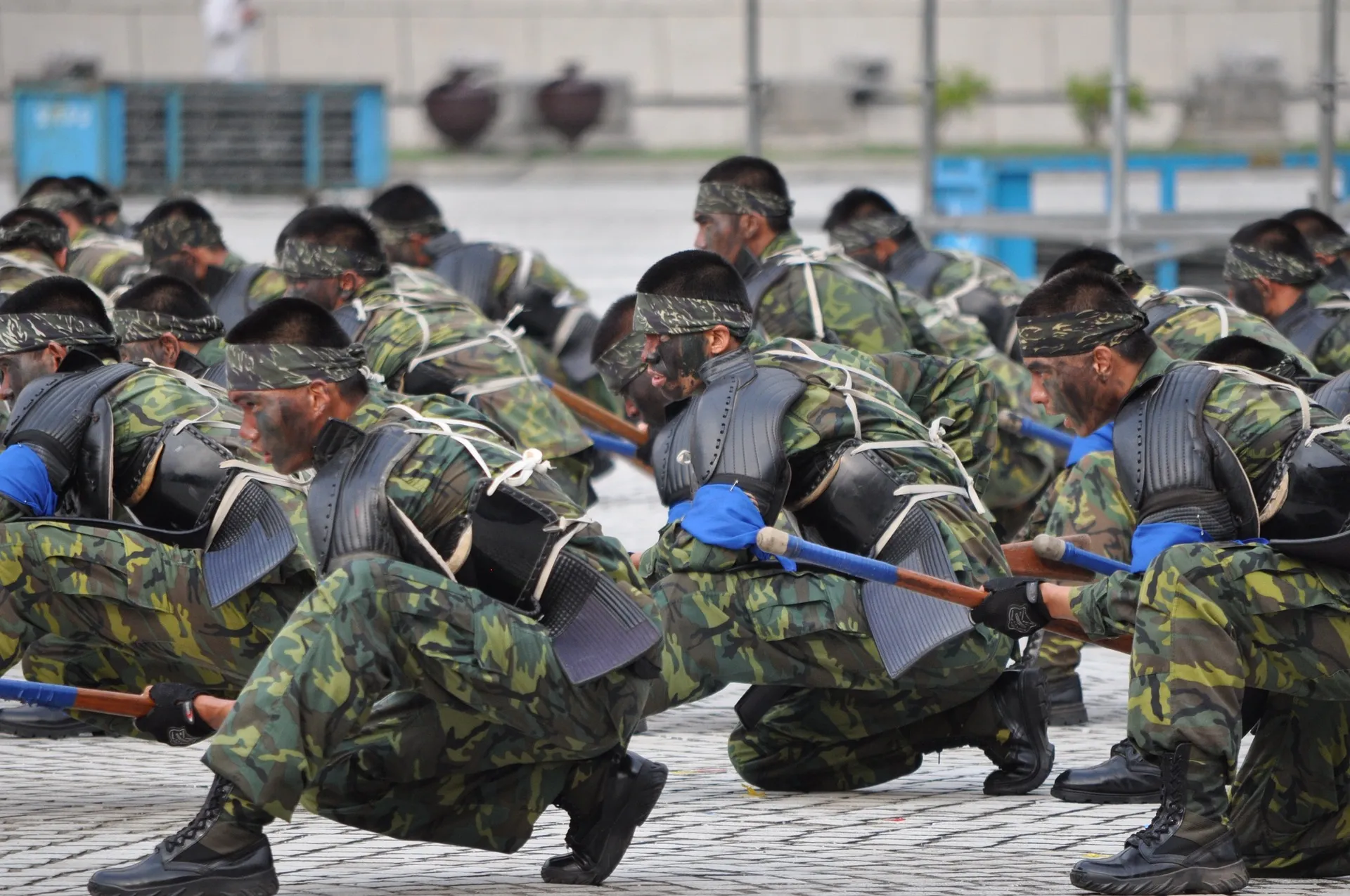
Photo Credit: https://zmyx.info/what-is-the-greatest-danger-in-the-taiwan-strait/