"Divergence Despite Convergence: The United States-India Strategic Partnership and Defense Norms" - by CWP alum Manjari Chatterjee Miller
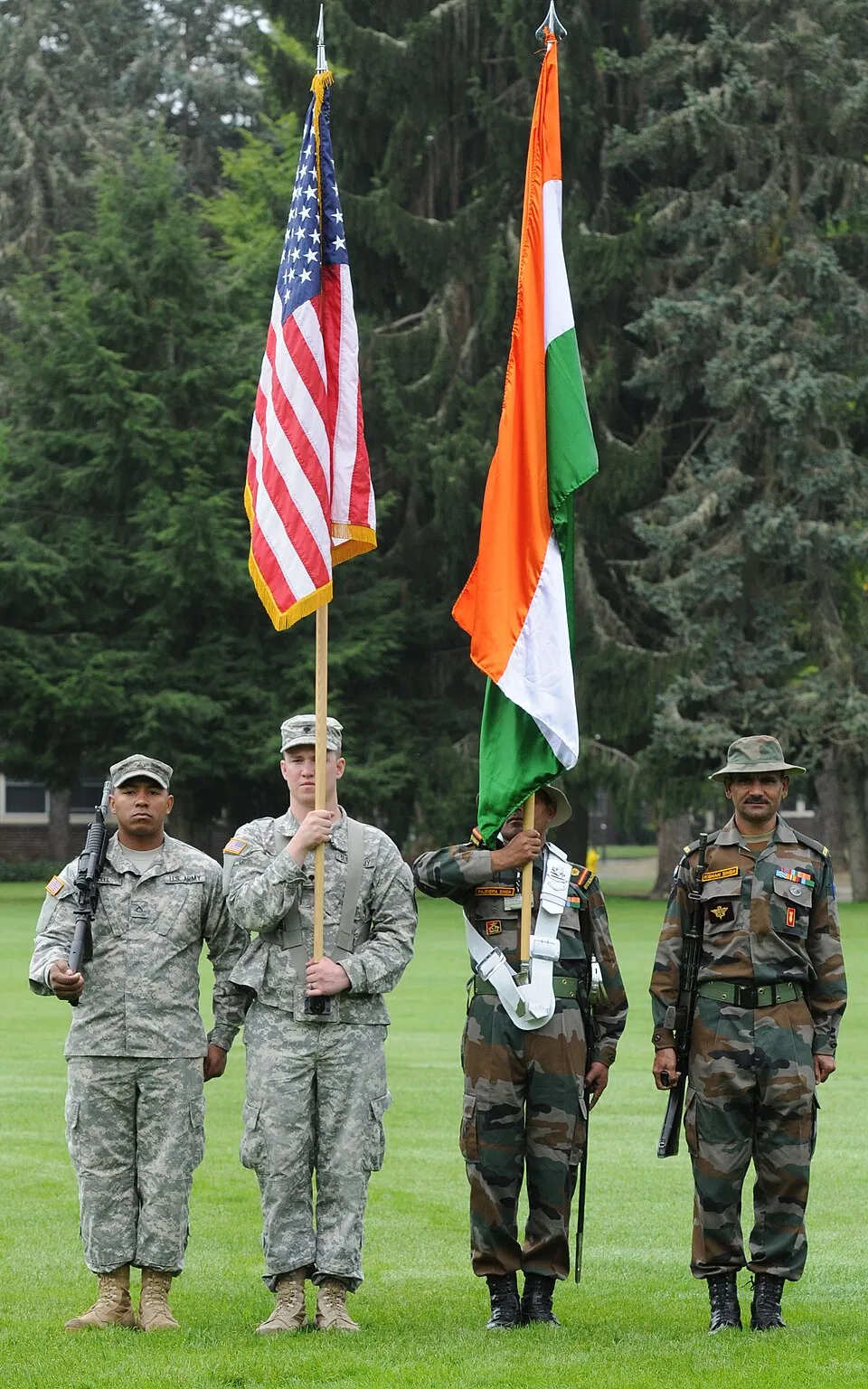
At the Shangri-La dialogue in Singapore last week, U.S. Secretary of Defense Pete Hegseth said that the United States would be expanding its defense partnership with India. His statement was in line with U.S. policy over the last two decades, which, irrespective of the party in power, has sought to cultivate India as a serious defense partner.
The U.S.-India defense partnership has come a long way. Beginning in 2001, the United States and India moved from little defense cooperation or coordination to significant gestures that would lay the foundation of the robust defense partnership that exists today—such as India offering access to its facilities after 9/11 to help the United States launch operations in Afghanistan or the 123 Agreement in 2005 that paved the way for civil nuclear cooperation between the two countries. In the United States, there is bipartisan agreement that a strong defense partnership with India is vital for its Indo-Pacific strategy and containing China. In India, too, there is broad political support for its strategic partnership with the United States given its immense wariness about its fractious border relationship with China. Consequently, the U.S.-India bilateral relationship has heavily emphasized security, with even trade tilting toward defense goods.
Article by Manjari Chatterjee Miller, Author - June 5, 2025 11:29 am (EST)
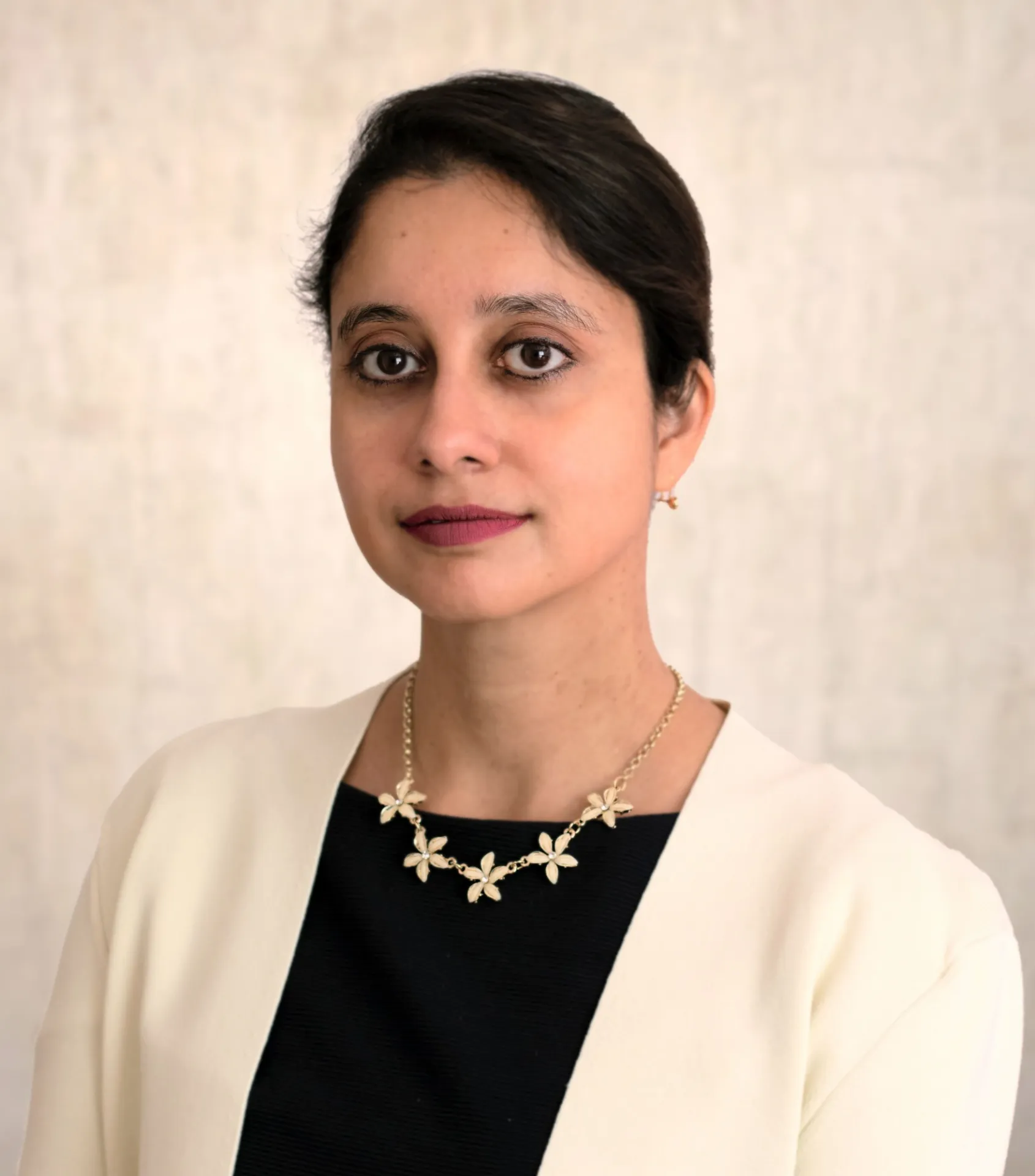
Manjari Chatterjee Miller is Professor of international relations, and the inaugural Munk Chair in Global India at the Munk School. She is a Senior Fellow at the Council of Foreign Relations. She is also an associate at the Asia Center, Harvard University. An expert on India, China, and rising powers, she is the author of Why Nations Rise: Narratives and the Path to Great Power (2021, shortlisted for the 2022 Hedley Bull Prize in International Relations), Wronged by Empire: Post-Imperial Ideology and Foreign Policy in India and China (2013), and the co-editor of the Routledge Handbook of China-India Relations (2020).
Previously, Miller was a tenured associate professor of international relations at the Pardee School of Global Studies, and the director of the Rising Powers Initiative at the Pardee Center, Boston University. She has also been a non-resident fellow at the Atlantic Council, a fellow at the Belfer Center of Science and International Affairs at Harvard University, a visiting associate professor at the Lee Kuan Yew School of Public Policy at the National University of Singapore, and a visiting scholar at the Chinese Academy of Social Sciences, and the Crawford School of Public Policy at Australian National University. She has published numerous articles in peer-reviewed and policy journals, and chapters in edited books. She serves on the international advisory board of Chatham House's International Affairs journal and the editorial board of the National Bureau of Asian Research's Asia Policy journal, and her research has been supported by grants and fellowships from multiple institutions. A frequent contributor to media and policy outlets in the United States and abroad, from 2020-2024 Miller was a columnist for the Hindustan Times. Miller received a BA from the University of Delhi, an MSc from the University of London, and a PhD from Harvard University. She was a post-doctoral fellow in the China and the World Program at Princeton University.
Photo Credit: By U.S. Army photo by Sgt. Sinthia Rosario, 5th Mobile Public Affairs Detachment - https://www.facebook.com/yudhabhyas/posts/403317696531960, Public Domain, https://commons.wikimedia.org/w/index.php?curid=43100225