
"Designing Wedge Strategies: U.S. Response to China, Russia, and Their Alignments" - by CWP alum Chengzhi Yin
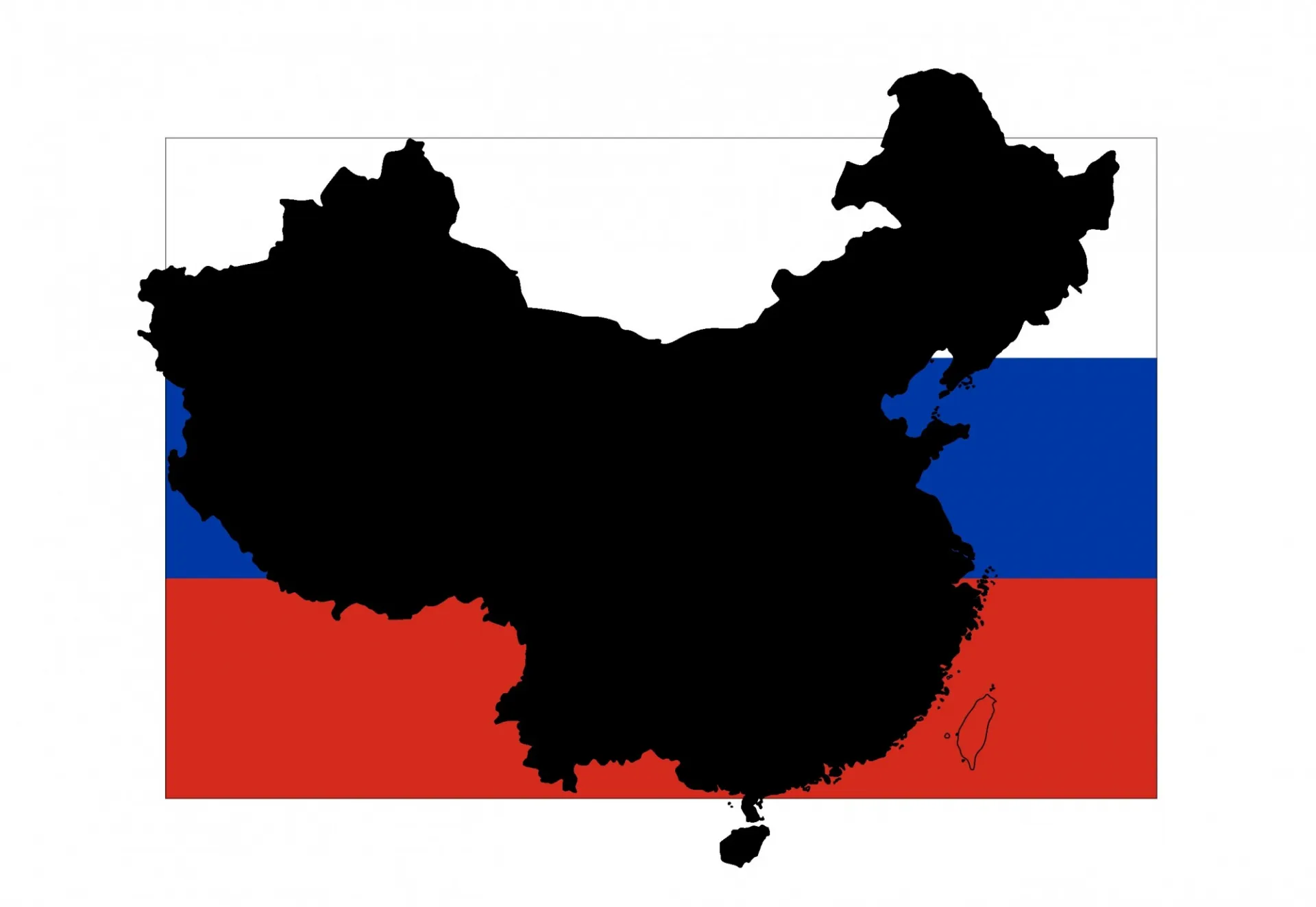
Wedge strategies – negotiation strategies that seek to prevent or weaken adversarial alignments – are increasingly used in contemporary power competition. Scholars often examine how China and Russia challenge U.S. interests, and how the United States seeks to prevent unfavorable outcomes and shape power dynamics. However, the U.S. use of wedge strategies in this context, and the design of wedge strategies more broadly, have been largely overlooked. To address this gap, we develop an analytical framework to examine the choice of wedge strategies. We apply it to investigate the U.S. choice of wedge strategies in the aftermath of the Russian invasion of Ukraine and in the Indo-Pacific. Our analysis outlines the challenges of designing wedge strategies and the need to rethink factors that make them effective, particularly as the United States encounters alignments like brics. It stresses the importance of broadening wedging options and mapping their strategic and operational aspects.
Authors: Chengzhi Yin and Mihaela Papa
Online Publication Date: 24 Dec 2025
Chengzhi Yin, assistant professor of political science, will teach classes in Chinese foreign policy and international relations research methods. Previously, Yin was a postdoctoral research scholar in Columbia University’s China and the World Program. Yin was also a lecturer at Wellesley College and a research fellow in Tufts University’s Rising Power Alliances Project.
Yin’s research interests include international relations theory, great power conflict, rising powers, Chinese foreign policy, Asian security and Cold War history. His dissertation “Accommodation or Coercion: China’s Choices of Alliance Balancing Strategies,” is the basis of one published peer-reviewed journal article and a working book manuscript. Yin’s graduate studies were supported by a Hans J. Morgenthau Fellowship from the University of Notre Dame’s International Security Center and a dissertation fellowship from Boston College’s Morrissey College of Arts and Sciences.
Yin earned a Ph.D. from Boston College in 2022.
Photo Credit: https://brill.com/view/journals/iner/aop/article-10.1163-15718069-bja10122/article-10.1163-15718069-bja10122.xml