"A Chairman Of Insecurity: China’s National Security Concept And Its Impacts On Foreign Policy" - By CWP Alum Christina Lai
(In this PDF, the English version is available below the Japanese one) The 20th Party Congress signaled Xi Jinping’s consolidation of power, as he is now expected to execute his foreign policy and domestic agenda with fewer political constraints. In analyzing Xi’s public statements and the CPC’s official documents, this report highlights Beijing’s expansive definitions of security and how this understanding shapes China’s regional diplomacy. It concludes with policy recommendations for the Japanese and Taiwanese governments. 中国共産党の公式の文書およびメディア報道、そして近年の中国外交政策に関する先行研究に基づいて、本稿は、習近平と党指導部が中国の安全保障環境をどのように解釈し、アジアとそれ以外の地域に対する中国の外交政策の展望をどのように考えているのかをより詳細に分析する。まず、第20回党大会文書のなかで、中国の不安感の高まりがどのように表現されているのかをみる。第2に、党中央が、国内外における深刻な課題に直面するなかで、安全保障概念の定義や範囲を公式文書でどのように示したのかを検証する。この検証を踏まえて、今後数年における中国の外交政策がどのような意味を持ち、どのような結果を生むのかを議論する。そして最後に、党中央の台湾に対する政策スタンスを取り上げ、日本と台湾双方に対する政策提言を行う。
A Chairman of Insecurity: China’s National Security Concept and Its Impacts on Foreign Policy 不安のなかの習近平――中国の安全保障概念と外交政策への影響
Christina Lai was a post-doctoral fellow in China and the World Program at Princeton University, and she was a lecturer in Global Security Studies at Johns Hopkins University in 2017-2018. She is interested in U.S.- China Relations, Chinese Foreign Policy, East Asian politics, and Qualitative Research Methods. Her works have appeared in the Pacific Review, International Relations of the Asia-Pacific, Journal of Asian Security and International Affairs, Asia Time, China’s World, and Asian Security.
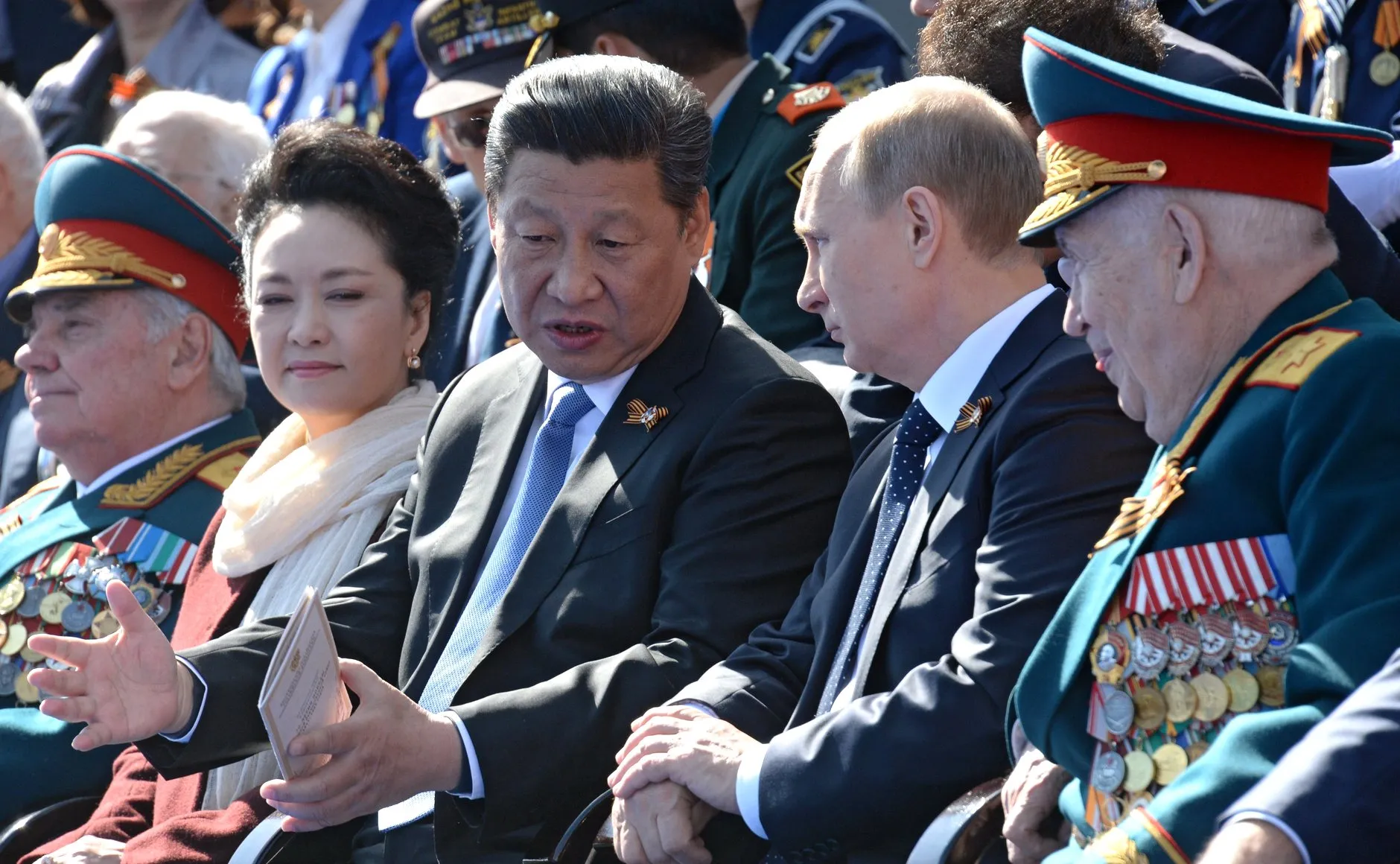
Photo Credit: By Kremlin.ru, CC BY 4.0, https://commons.wikimedia.org/w/index.php?curid=40087092