"Asymmetrical fairness in trade preferences" - by CWP alum Injoo Sohn
Asymmetric capacities across nations are a persistent reality in the global economy, but little is known about how people respond to these disparities. We provide the first experimental evidence on the phenomenon of asymmetrical fairness in trade preferences. We find that trade opinion divides over the relative economic capacity of the trade partner: Citizens treat smaller and less developed economies very differently in trade, even when the asymmetric treatment is disadvantageous to their own country. Across different experimental tests on a national sample in China, we find strong effects on trade opinion that are statistically and substantively significant. We also show that asymmetrical fairness is a phenomenon that applies in both positive (gains) and negative (losses) domains. Thus, while International Relations scholarship often assumes self-centered actors seeking benefits for themselves or their national in-groups, our results show that prosocial considerations over the limited capacities of the weak can influence the preferences of the strong—a phenomenon that refines our understanding of international power asymmetry and its consequences.
More info Here
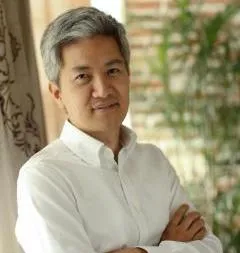
Injoo Sohn is an associate professor in the Department of Political Science and International Relations at Seoul National University. Trained as a political scientist and specialist on East Asia, Dr. Sohn’s research interests include Asian regional integration, Chinese foreign policy, and global economic governance. Sohn was a visiting fellow with the Center for East Asia Policy Studies at Brookings.
Photo Credit: https://pixabay.com/users/652234-652234/