
"#8 Logistics is the Achilles’ heel of China deterrence" - by CWP alum Eyck Freymann
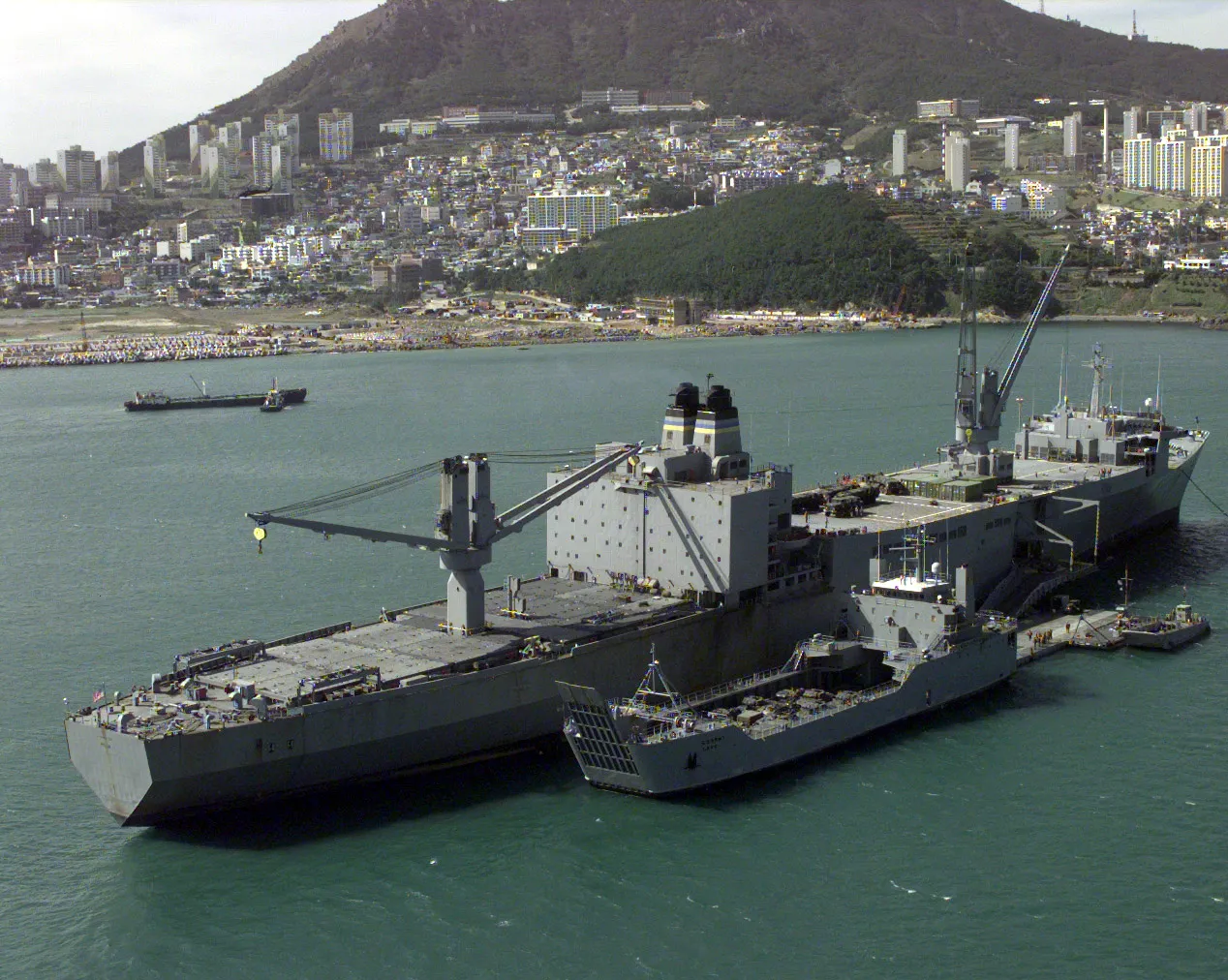
In any conflict with China, America’s most critical vulnerability wouldn’t be its destroyers, stealth bombers, or submarines. It would be the unglamorous network of ships, aircraft, and supply depots that keep them fighting. Logistics — the bridge between the national economy and combat forces — is the weakest link in the American deterrence system.
After decades of neglect, this bridge is crumbling, and Beijing knows it. Deterring China requires the US build up not only front-line combat forces, but also its logistical infrastructure. The US logistics enterprise is optimized for peacetime efficiency, a euphemism for cost-cutting. American maritime logistics system, essential for sustaining a fight across the vast Pacific, is particularly brittle and unprepared for a protracted conflict. During World War II, America commanded over 6,000 merchant ships to supply allied forces. Today, fewer than 200 US-flagged oceangoing commercial vessels remain.
The decline is systemic. The Military Sealift Command, the Navy’s logistics backbone, faces such severe personnel shortages that it is decommissioning ships it cannot crew. The Ready Reserve Force, the US surge fleet for emergencies, is a floating museum; the average ship is over 40 years old, with many struggling to meet activation deadlines due to poor maintenance. This hollowed-out force would likely become a top target in the opening hours of a war.
This essay first appeared in Breaking Defense. - Eyck Freymann Nov 20, 2025
Eyck Freymann is a Hoover Fellow at Stanford University and a Non-Resident Research Fellow at the U.S. Naval War College, China Maritime Studies Institute.
He works on strategies to preserve peace and protect U.S. interests and values in an era of systemic competition with China. He is the author of several books, including The Arsenal of Democracy: Technology, Industry, and Deterrence in an Age of Hard Choices, with Harry Halem, and One Belt One Road: Chinese Power Meets the World. His scholarly work has appeared in The China Quarterly and is forthcoming in International Security.
Dr. Freymann advises policymakers in the United States and allied countries. He comments on national security issues of bipartisan concern in The Wall Street Journal, The New York Times, Foreign Affairs, The Economist, War on the Rocks, The Wire China, and The Atlantic, among other venues.
Before Hoover, Dr. Freymann held postdoctoral fellowships at Harvard and Columbia. He holds a doctorate from Oxford, masters degrees from Cambridge and Harvard, and a bachelors from Harvard, all in history and China studies.
Photo Credit: By Specialist Christina Ann - Department of Defense photo # 981019-A-6207H-530, Public Domain, https://commons.wikimedia.org/w/index.php?curid=28769770