"The Quiet Power of International Orders" - by CWP alum Manjari Chatterjee Miller
When I walk into my neighborhood grocery store and choose to buy a bottle of 2 percent milk, I don’t think about the international order. But I should. My blind trust that I have indeed bought 2 percent milk and not cream or whole milk, which would send my poor stomach into a spin, is a consequence of the order in place today—the liberal international order created by the United States and its allies after World War II.
This topic of international order has occupied academics, analysts, and policymakers for the past decade. The arguments made about its unprecedented benefits, such as nonproliferation, global prosperity, and preventing world wars, or the criticisms that it was a myth with liberal ideas selectively applied, are sweeping and grand. But they have little practical meaning for anyone besides elites. Without knowing how the liberal international order, or any international order, is felt in someone’s daily life, it is hard to make the case for either an order’s preservation or its demise.
International order is an encompassing idea of the world—the norms and rules that govern how political entities, countries, empires, and kingdoms do business with each other. But it is also very ordinary. In other words, many of the rules and norms are not splashy; they are quiet, even granular.
Let’s take my choice of grocery store milk. In making my choice, I benefit from a norm and rule of the liberal international order. The norm is about extending trust, and the rule is about standardization. I trust the label’s information of 2 percent fat to be accurate, and I can see with my own eyes the ingredients listed. I can trust this information because it is standardized. This standardization of products, in turn, comes about because the very concept of an international standard for a product exists at all. The company that is producing the milk knows what to include on the label because there is a global standard that it can reference. Such standards are created by
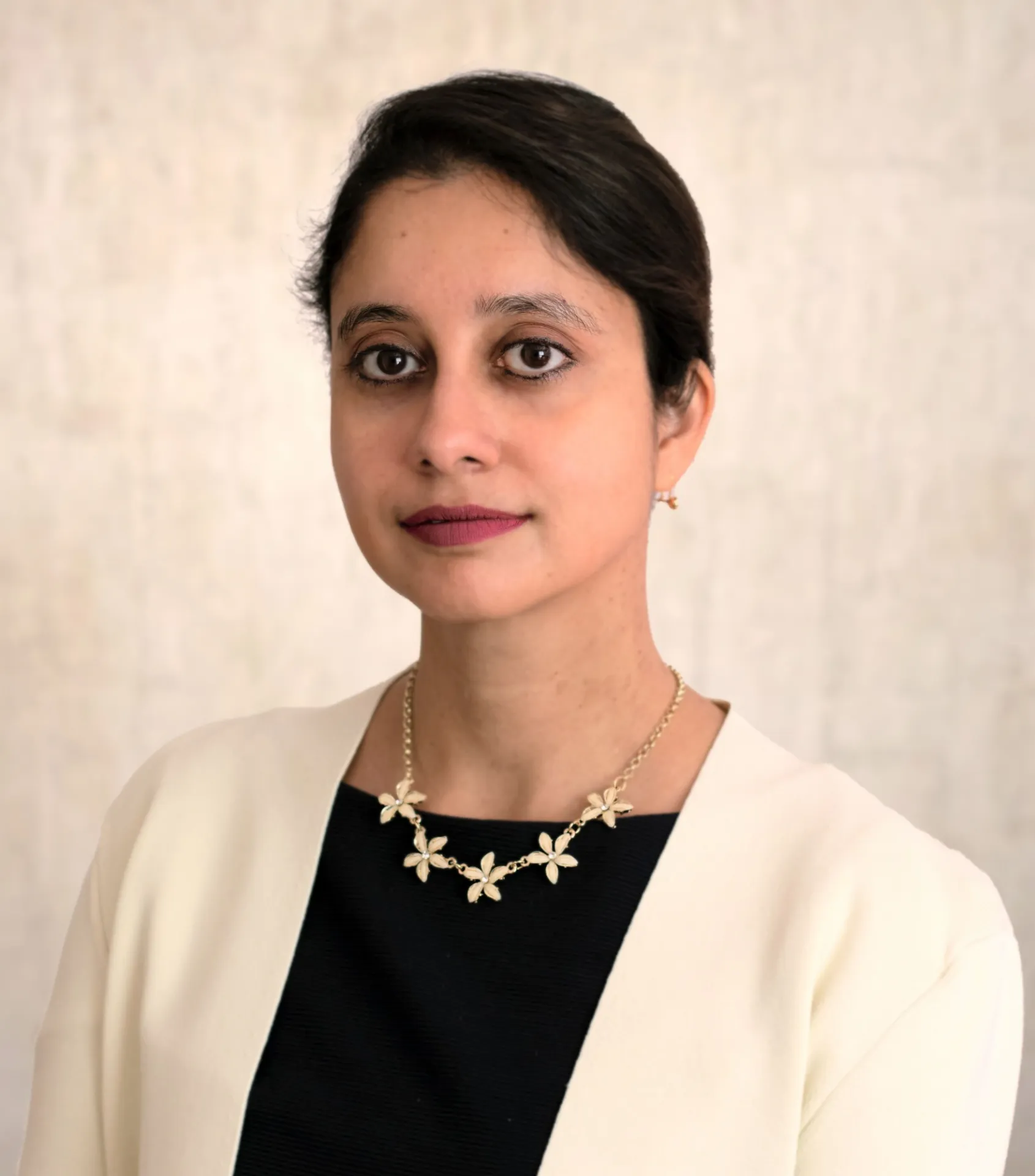
Manjari Chatterjee Miller is Professor of international relations, and the inaugural Munk Chair in Global India at the Munk School. She is a Senior Fellow at the Council of Foreign Relations. She is also an associate at the Asia Center, Harvard University. An expert on India, China, and rising powers, she is the author of Why Nations Rise: Narratives and the Path to Great Power (2021, shortlisted for the 2022 Hedley Bull Prize in International Relations), Wronged by Empire: Post-Imperial Ideology and Foreign Policy in India and China (2013), and the co-editor of the Routledge Handbook of China-India Relations (2020).
Previously, Miller was a tenured associate professor of international relations at the Pardee School of Global Studies, and the director of the Rising Powers Initiative at the Pardee Center, Boston University. She has also been a non-resident fellow at the Atlantic Council, a fellow at the Belfer Center of Science and International Affairs at Harvard University, a visiting associate professor at the Lee Kuan Yew School of Public Policy at the National University of Singapore, and a visiting scholar at the Chinese Academy of Social Sciences, and the Crawford School of Public Policy at Australian National University. She has published numerous articles in peer-reviewed and policy journals, and chapters in edited books. She serves on the international advisory board of Chatham House's International Affairs journal and the editorial board of the National Bureau of Asian Research's Asia Policy journal, and her research has been supported by grants and fellowships from multiple institutions. A frequent contributor to media and policy outlets in the United States and abroad, from 2020-2024 Miller was a columnist for the Hindustan Times. Miller received a BA from the University of Delhi, an MSc from the University of London, and a PhD from Harvard University. She was a post-doctoral fellow in the China and the World Program at Princeton University.
Photo Credit: https://foreignpolicy.com/2026/10/28/international-order-liberal-norms-west-colonial-empire-china/