"The Limits of China’s Self-Sufficiency" - by CWP alum Joel Wuthnow
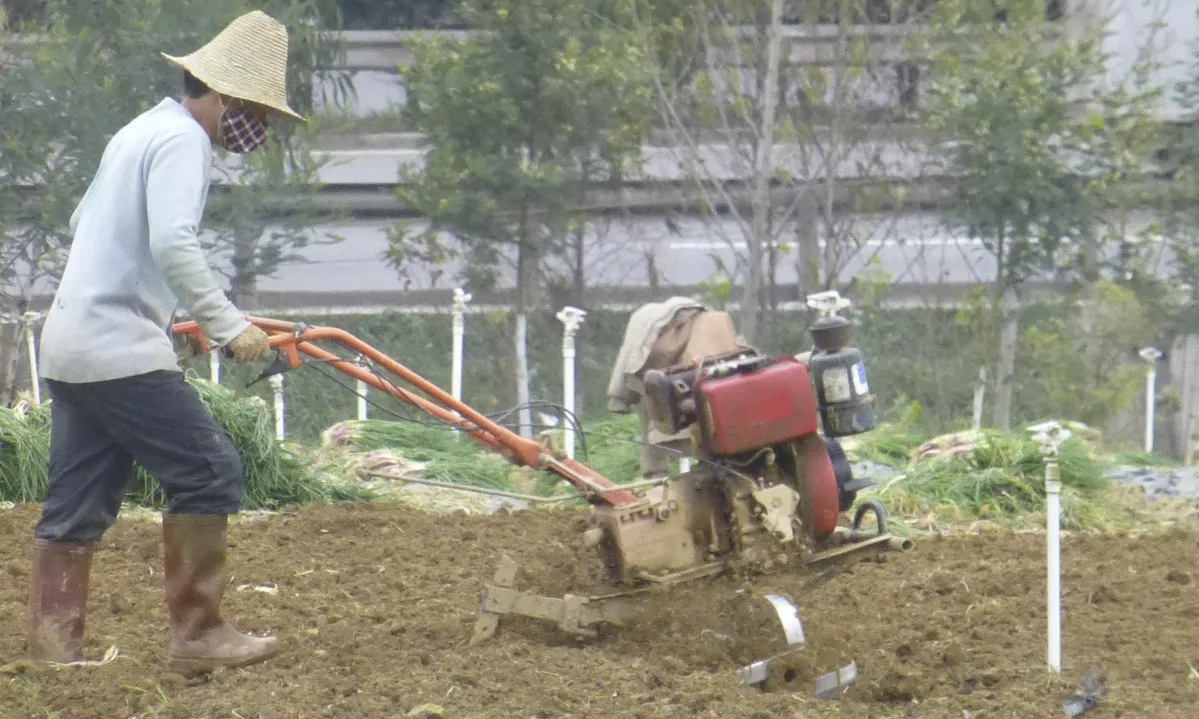
When assessing the probability of a conflict in the Taiwan Strait, analysts tend to focus on a few obvious risks that China would face—namely, military defeat, economic slowdown, and restricted oil and technology imports. All of these are important, but an equally significant vulnerability is often left off the list: China’s reliance on soybean imports.
Beijing recognizes this liability. At the 20th Party Congress, in 2022, Chinese leader Xi Jinping identified “ensuring the security of food, energy resources, and critical industrial supply chains” as issues essential to national security and social stability. Food security, conspicuously listed first, is an especially sensitive issue for China’s 1.4 billion inhabitants: roughly 15 percent of the country’s population today was alive during the 1959–61 famine, which resulted in an estimated 30 million deaths.
As with technology and oil, Beijing has tried to limit its dependence on soybeans by building up stockpiles and diversifying its sources. But because soybeans are a fragile foodstuff, there is only so much China can do. Beijing can support a war effort, therefore, for only as long as the Chinese public could put the People’s Liberation Army’s success above its nutritional needs. And the key for deterring Chinese leaders from starting a conflict is to convince them that a domestic crisis would arrive sooner than any battlefield victory.
Why the Country’s Food Insecurity Could Prevent a War Over Taiwan Joel Wuthnow November 2, 2026
Dr. Joel Wuthnow is a Senior Fellow at the Institute for National Strategic Studies (INSS), National Defense University. His research areas include Chinese foreign and security policy, Chinese military affairs, U.S.-China relations, and strategic developments in East Asia. His recent books and monographs include China’s Quest for Military Supremacy (Polity, 2025, with Phillip C. Saunders), Taming the Hegemon: Chinese Thinking on Countering U.S. Military Intervention in Asia (NDU Press, 2025), Sea Dragons: Special Operations and Chinese Military Strategy (Naval War College Press, 2025, with John Chen), Crossing the Strait: China’s Military Prepares for War with Taiwan (NDU Press, 2022, lead editor), and Gray Dragons: Assessing China's Senior Military Leadership (NDU Press, 2022). His research and commentary has also appeared in outlets such as Asia Policy, Asian Security, China Leadership Monitor, The China Quarterly, Foreign Affairs, Foreign Policy, Global Asia, Joint Force Quarterly, Journal of Contemporary China, Journal of Strategic Studies, Korean Journal of Defense Analysis, Naval War College Review, The New York Times, and in edited volumes.
Prior to joining NDU, Dr. Wuthnow was a China analyst at the Center for Naval Analyses, a postdoctoral fellow in the China and the World Program at Princeton University, and a pre-doctoral fellow at The Brookings Institution. His degrees are from Princeton University (A.B., summa cum laude, in Public and International Affairs), Oxford University (M.Phil. in Modern Chinese Studies), and Columbia University (Ph.D. in Political Science). He is proficient in Mandarin.
Photo Credit: https://www.foreignaffairs.com/china/limits-chinas-self-sufficiency