"What Did Prime Minister Modi’s State Visit Achieve?" - by CWP alum Manjari Chatterjee Miller
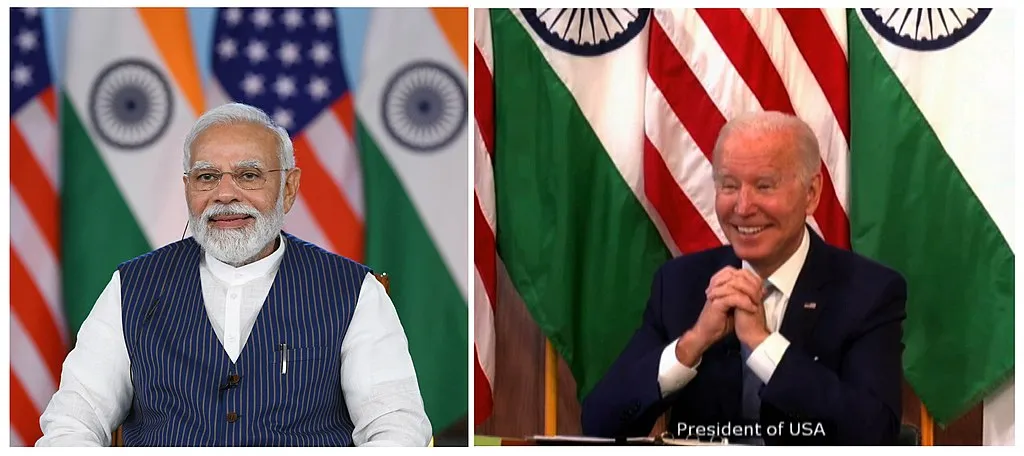
Last week Indian Prime Minister Narendra Modi completed a four-day state visit to the United States. Modi was not only feted with a welcome ceremony and state dinner, but was also invited to address Congress for the second time during his prime ministership. These high-profile events were intended to reflect the two countries’ shared commitment to peace and prosperity in the Indo-Pacific region and signify that the United States sees India as a critical partner. Judging by the attention paid to Modi’s arrival and the deals announced, both countries came away with winning outcomes, singly and jointly.
For India, the honors bestowed on Modi—a man who just a few years ago was denied entry to the United States for his role in the 2002 communal riots in Gujarat—showed to the world that far from being a pariah, he is now the powerful and accepted leader of a valued partner country. The United States also offered concrete wins. The Biden administration promised to help India increase production of electric vehicles and meet its goal of installing 500 gigawatts of wind, solar, and other renewable energy this decade. U.S. memory chip firm Micron Technology will invest up to $825 million in a new chip assembly and test plant in Gujarat, which will be its first factory in India. On immigration, which has been a thorny issue, the United States agreed to allow a small number of Indians on H-1B visas to renew them in the United States without traveling abroad.
Blog Post by Manjari Chatterjee Miller June 26, 2023 12:05 pm (EST)
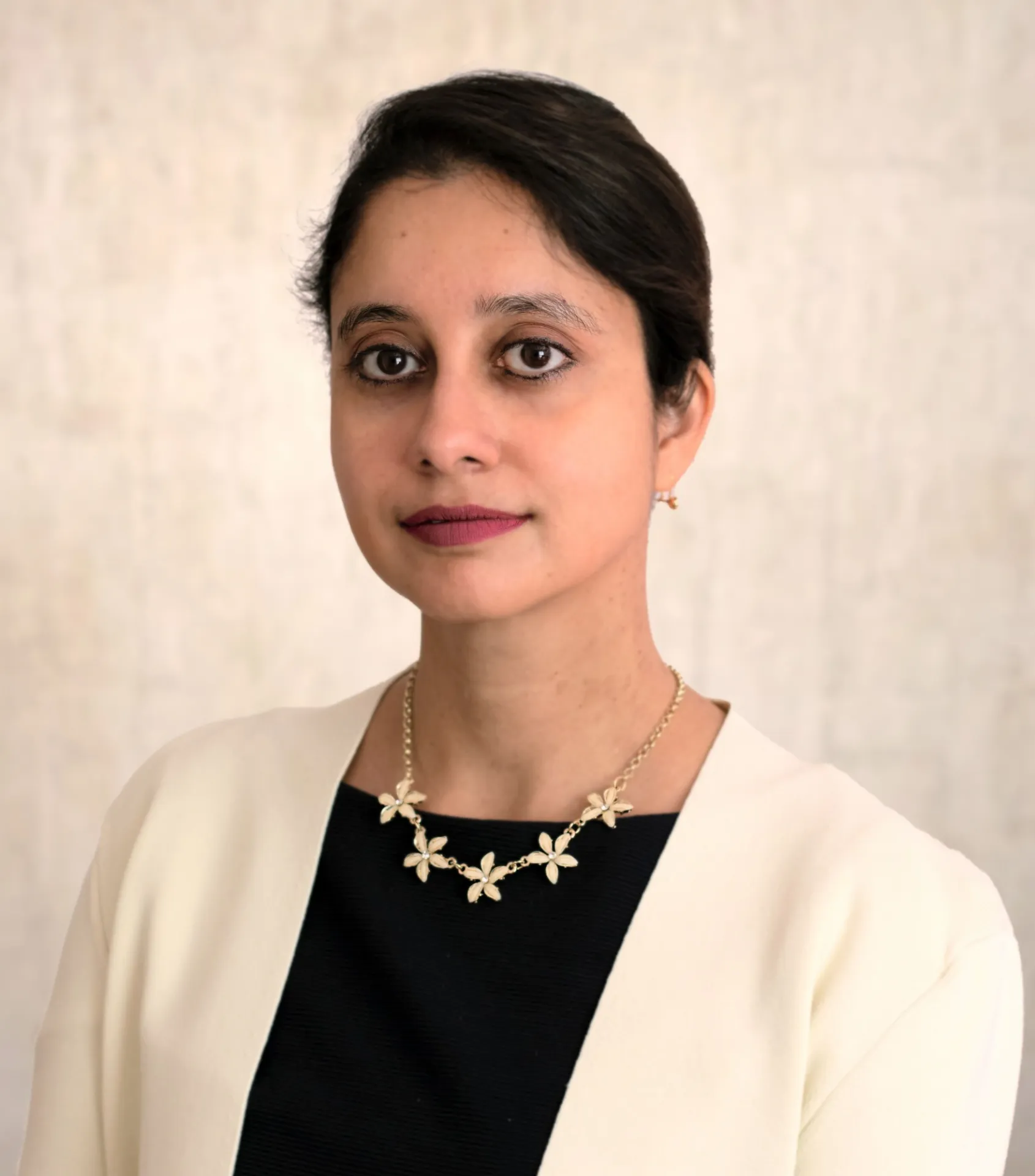
Manjari Chatterjee Miller is senior fellow for India, Pakistan, and South Asia at the Council on Foreign Relations (CFR). She is also a research associate in the Contemporary South Asian Studies Programme at the Oxford School of Global and Area Studies at the University of Oxford. An expert on India, China, South Asia, and rising powers, she is the author of Why Nations Rise: Narratives and the Path to Great Power (2021, shortlisted for the 2022 Hedley Bull Prize in International Relations) and Wronged by Empire: Post-Imperial Ideology and Foreign Policy in India and China (2013). Miller is also the co-editor of the Routledge Handbook of China-India Relations (2020), a monthly columnist for the Hindustan Times, and a frequent contributor to policy and media outlets in the United States and Asia.
Photo Credit:
File:Narendra Modi interacting with the President of the United States of America, Mr. Joe Biden, during the India-US virtual summit, in New Delhi on April 11, 2022.jpg
This file or its source was published by Press Information Bureau on behalf of Prime Minister's Office, Government of India under the ID 179690. (direct link)