"Unpacking Taiwan's Identities: Substance, Contexts, and Party Stances toward China" - by CWP alum Christina Lai
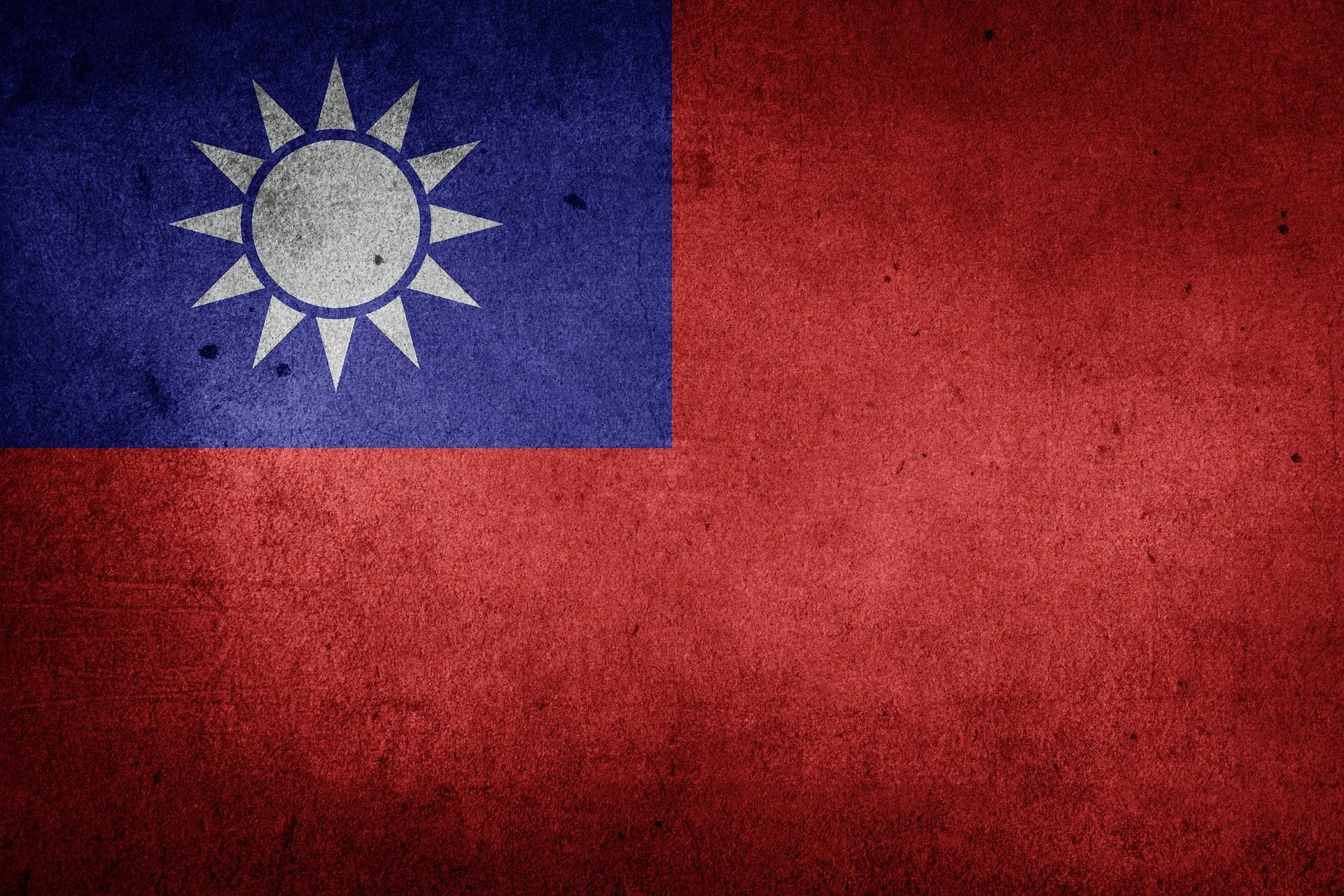
Taiwan's peaceful transition from authoritarian rule to liberal democracy in the 1990s has led not only to rapid economic growth but also to the building of a vibrant civil society. This democratic transition and the growth of civil society promoted Taiwan nationalism, given that the island's political institutions were different from those of authoritarian China.1 As Taiwan's identity has consolidated around its own institutions and systems, how does this identity shape Taiwan's policy toward China and the United States? What does Taiwan's own, local identity mean for party politics?
This essay investigates the factors contributing to Taiwan's evolving sense of identity and explores how identity might shape the U.S.-China-Taiwan triangle. It also analyzes how Taiwanese identity affects major party stances toward China, including those of the Kuomintang (KMT), the Democratic Progressive Party (DPP), and the Taiwan People's Party (TPP). The essay, first, offers an overview of the substance of Taiwan's identities and highlights variations within its consolidated national identity. Second, it addresses how political parties in Taiwan differ from each other in their policies toward China. Finally, the essay concludes with a discussion of implications for the future of Taiwan's foreign policy and U.S.-Taiwan relations.
- Christina Lai
- Asia Policy
- National Bureau of Asian Research
- Volume 19, Number 2, April 2024
- pp. 90-100
- 10.1353/asp.2024.a927092
Christina Lai is an associate research fellow in the Institute of Political Science at Academia Sinica, Taiwan. She is interested in U.S.-China Relations, Chinese Foreign Policy, East Asian politics, and Qualitative Research Methods. Her works have appeared in the Politics, International Politics, Political Science, Journal of Contemporary China, Pacific Review, International Relations of the Asia-Pacific, Asian Survey, and Asian Security.
Photo Credit: https://pixabay.com/users/chickenonline-616783/