"The Ukraine War Will Impact Asian Politics" - By CWP Alum Manjari Chatterjee Miller
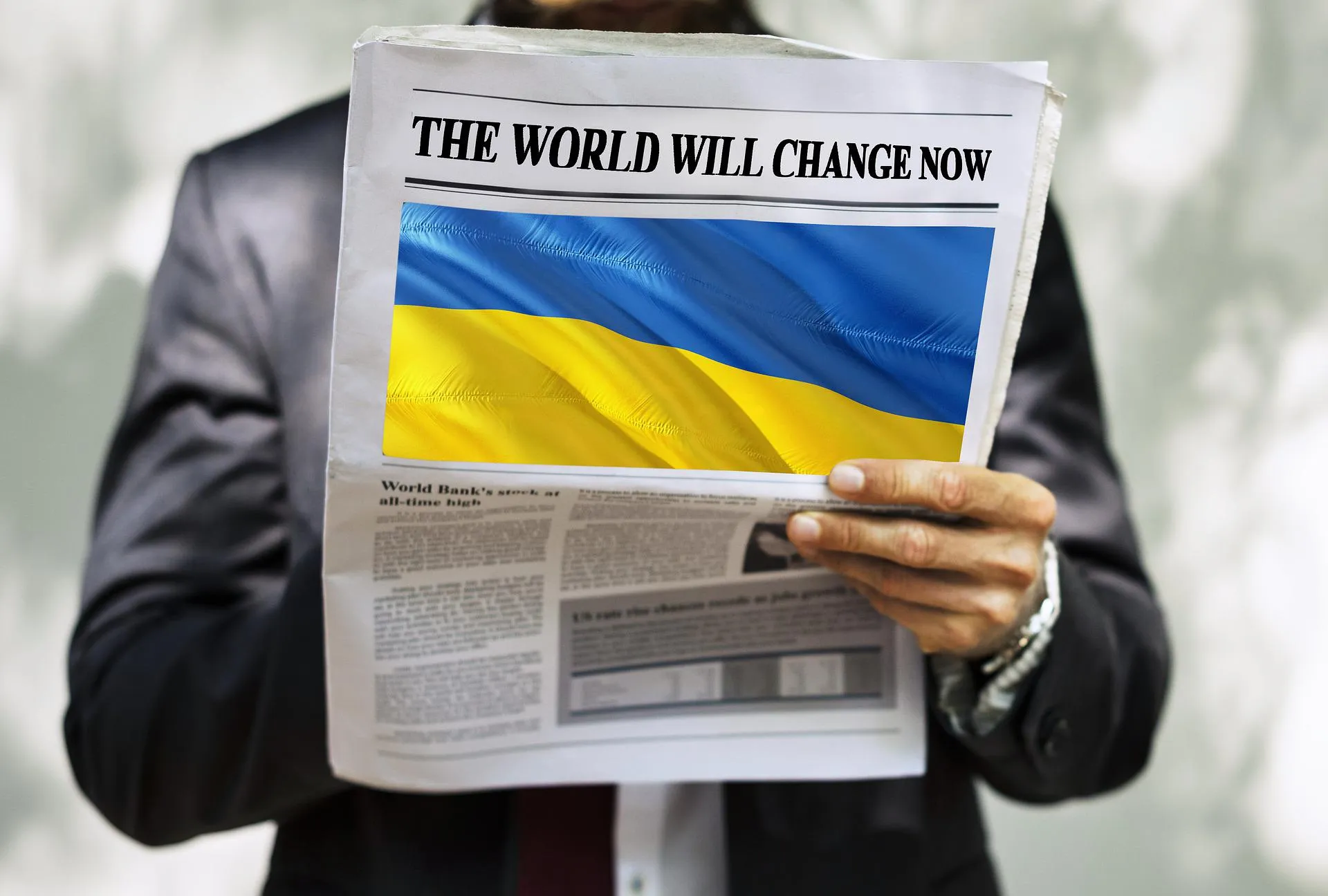
The Ukraine war has entered its third month with no diplomatic resolution in sight. Despite this, some have argued that while the war will have an impact on Russia, its neighbours, and the rest of Europe, it will have little consequence for Asia or the global order. This is wishful thinking at best, and shortsightedness at worst. The Ukraine crisis is not simply about the European security order. It has huge ramifications for the future of order in Asia. And by extension, given that Asia comprises nearly 60% of the world’s population and 32% of the world’s Gross Domestic Product (GDP), it also has enormous ramifications for the future of global security and the economy.
There is little doubt that the Ukraine war will, and already has, changed the nature of politics in Europe. Most notably, Germany has reversed decades of post-World War II foreign policy. It has announced that it will build up its military (jettisoning its reluctance to invest in its military), look for alternative energy supplies (mitigating dependence on Russian oil and gas), and most recently, even supply heavy weaponry to Ukraine (an act it had resisted until this month).
But the impact of Ukraine will not be confined to Europe. If this war drags on, economically, politically, and diplomatically, Asia and the Asian political order will change. Some of these changes have already taken place.
Updated on May 12, 2022
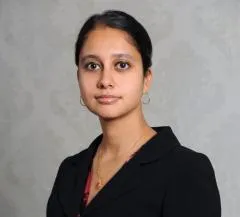
Manjari Chatterjee Miller is senior fellow for India, Pakistan, and South Asia at the Council on Foreign Relations (CFR). She is also a research associate in the Contemporary South Asian Studies Programme at the Oxford School of Global and Area Studies at the University of Oxford. An expert on India, China, South Asia, and rising powers, she is the author of Why Nations Rise: Narratives and the Path to Great Power (2021) and Wronged by Empire: Post-Imperial Ideology and Foreign Policy in India and China (2013). Miller is also the co-editor of the Routledge Handbook of China-India Relations (2020), a monthly columnist for the Hindustan Times, and a frequent contributor to policy and media outlets in the United States and Asia.
Miller is currently on leave from the Frederick S. Pardee School of Global Studies at Boston University where she is a tenured associate professor of international relations, and the director of the Rising Powers Initiative at the Pardee Center. She has been a non-resident fellow at the Atlantic Council, a fellow at the Belfer Center of Science and International Affairs at Harvard University, a visiting associate professor at the Lee Kuan Yew School of Public Policy at the National University of Singapore, and a visiting scholar at the Chinese Academy of Social Sciences and the Crawford School of Public Policy at Australian National University. She has published numerous articles in peer-reviewed and policy journals, and chapters in edited books. She serves on the international advisory board of Chatham House's International Affairs journal, and her research has been supported by grants and fellowships from multiple institutions. Miller received a BA from the University of Delhi, an MSc from the University of London, and a PhD from Harvard University. She was a post-doctoral fellow in the China and the World Program at Princeton University.
Photo Credit: https://pixabay.com/users/geralt-9301/