"Taiwan’s Voters Have Spoken. Now What: Implications of Taiwan’s 2024 Elections for Beijing and Beyond" - by CWP alum Chong Ja Ian
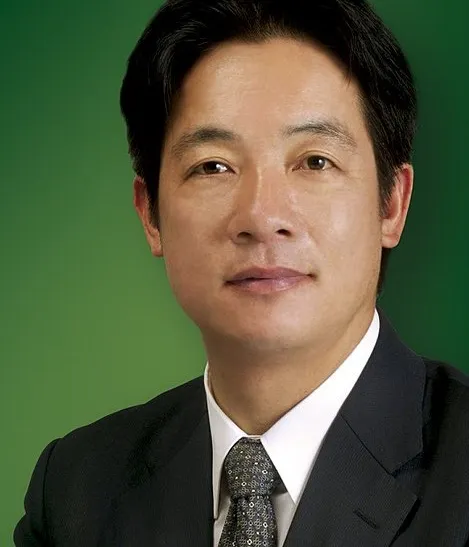
On January 13, 2024, Taiwanese voters went to the polls to elect their next president and a new set of legislators. I spent the month leading up to these elections on the ground in Taiwan. Despite the unusually muted campaigns and seemingly mundane results of the elections, I observed quiet but important shifts in Taiwan’s politics that will have critical implications for cross-strait ties and beyond.
As the ballots were counted, it quickly became clear that Lai Ching-te of the Democratic Progressive Party (DPP) had won the presidency with 40 percent of the votes cast. But the DPP lost its legislative majority. No party secured a majority in Taiwan’s 113-seat Legislative Yuan, which consists of seventy-three geographic constituency seats, three lowland aboriginal seats, three highlight aboriginal seats, and thirty-four party seats allocated by proportional representation among political parties that receive more than 5 percent of the popular vote. The Kuomintang (KMT) won the most seats by a slim margin (fifty-two), followed by the DPP (fifty-one). The relatively new, populist Taiwan People’s Party (TPP) came away with eight seats—arguably the most significant victory of the night—and independent legislators aligned with the KMT won the remaining two. The hung parliament will make governance more difficult for the DPP, and will seriously try the new president’s political skills.
- FEBRUARY 09, 2024
- COMMENTARY - https://carnegieendowment.org/2024/02/09/taiwan-s-voters-have-spoken.-now-what-implications-of-taiwan-s-2024-elections-for-beijing-and-beyond-pub-91594
Ja Ian Chong : The focus of my teaching and research is on international relations, especially IR theory, security, Chinese foreign policy, and international relations in the Asia-Pacific. Of particular interest to me are issues that stand at the nexus of international and domestic politics, such as influences on nationalism and the consequences of major power competition on the domestic politics of third countries. I also enjoy looking at historical material in my research. In addition to my academic background, I have experience working in think-tanks both in Singapore and in the United States. As such, I also look at the relationship between political science theory and policy, and believe the two can inform each other.
I am author of External Intervention and the Politics of State Formation–China, Indonesia, Thailand, 1893-1952 (Cambridge, 2012), which received the 2013 Best Book Award from the International Security Studies Section of the International Studies Association.
Photo Credit: By Tainan City Government, Attribution, https://commons.wikimedia.org/w/index.php?curid=61333914