"Taiwan: Tracing The Roots Of The U.S.-China Standoff" - By CWP Alum Manjari Chatterjee Miller
The China-U.S. relationship has been deteriorating over the past decade. The recent visit of the U.S. Speaker Nancy Pelosi to Taiwan—Pelosi was the highest-ranking US official to visit the island since the 1990s—brought relations to a new low. China had been warning of dire consequences if Pelosi were to undertake the visit, and responded with military drills around the island, live fire exercises, anti-submarine attacks, and sea-raid rehearsals. The United States and China have each accused the other of changing the status quo on Taiwan, leading to the standoff.
They are both correct because each country has a different perspective on what the status quo is. Washington sees Beijing’s encroachments in the South China Sea and its crackdown on Hong Kong’s democracy activists as proof that Beijing is getting more belligerent and gradually eroding its commitment to “one country, two systems.” Beijing sees Washington continuing to sell arms to Taiwan under the 1979 Taiwan Relations Act (TRA) as violating U.S. assurances that it would gradually reduce the amount sold, and U.S. rhetoric on an “alliance of democracies” as proof that Washington wants to eventually erode the concept of a “one China.” Compounding the problem even more, the propaganda over Taiwan, particularly in China but also in the United States, bears spotty resemblance to historical fact. China claims Taiwan has been an inalienable part of China since “ancient times” as one white paper recently put it, and it is U.S. meddling that prevents reunification. The United States sees itself as the protector of Taiwan’s independence and democracy from Chinese authoritarianism. The reality is more complex.
https://www.cfr.org/article/taiwan-tracing-roots-us-china-standoff - Article by Manjari Chatterjee Miller, Author - Originally published at Hindustan Times - August 25, 2022 11:59 am (EST)
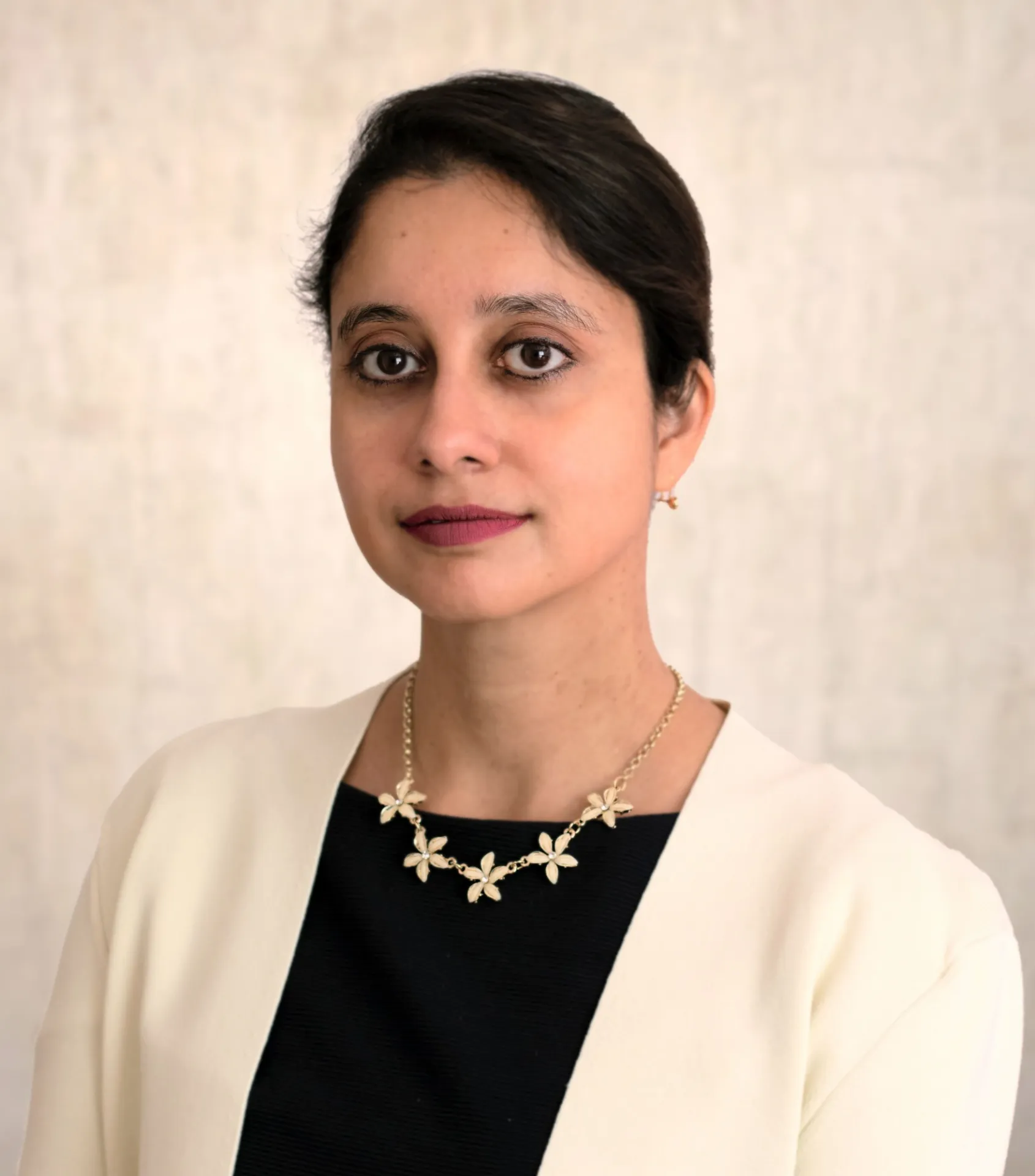
Manjari Chatterjee Miller is senior fellow for India, Pakistan, and South Asia at the Council on Foreign Relations (CFR). She is also a research associate in the Contemporary South Asian Studies Programme at the Oxford School of Global and Area Studies at the University of Oxford. An expert on India, China, South Asia, and rising powers, she is the author of Why Nations Rise: Narratives and the Path to Great Power (2021, shortlisted for the 2022 Hedley Bull Prize in International Relations) and Wronged by Empire: Post-Imperial Ideology and Foreign Policy in India and China (2013). Miller is also the co-editor of the Routledge Handbook of China-India Relations (2020), a monthly columnist for the Hindustan Times, and a frequent contributor to policy and media outlets in the United States and Asia.
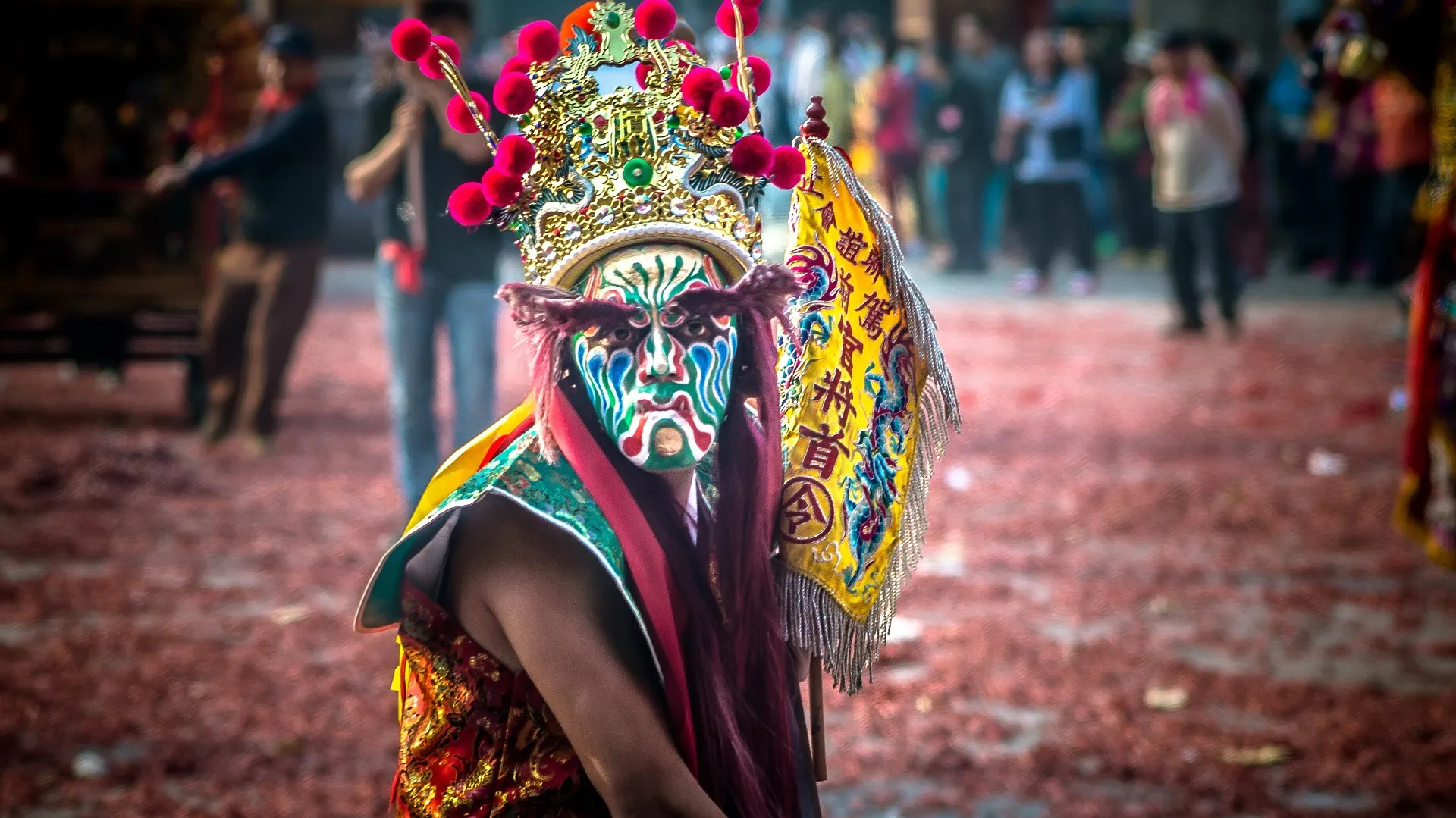
Photo Credit: https://pixabay.com/users/golfamigo-631456/