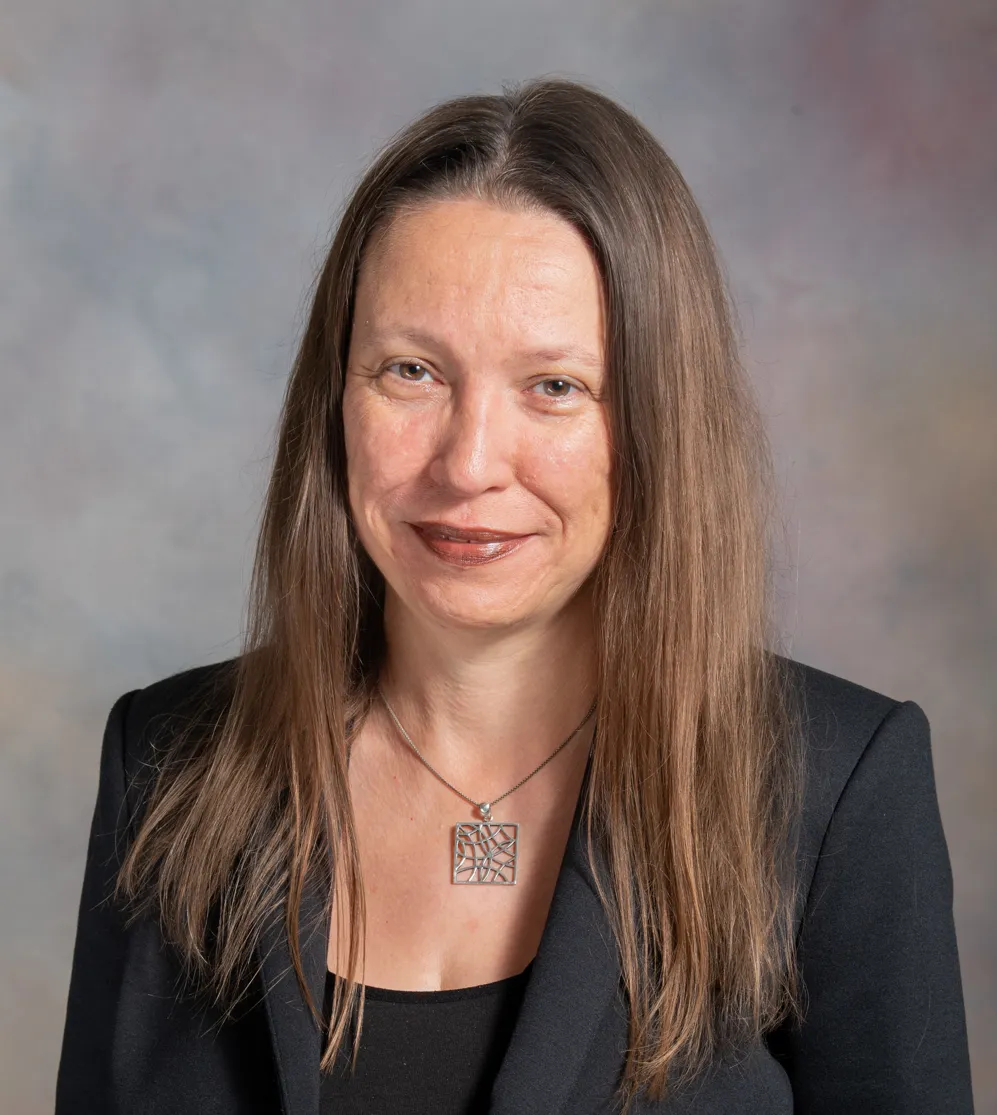
"Strategic Competition For Overseas Basing In Sub-Saharan Africa" - By CWP Alum Dawn C. Murphy
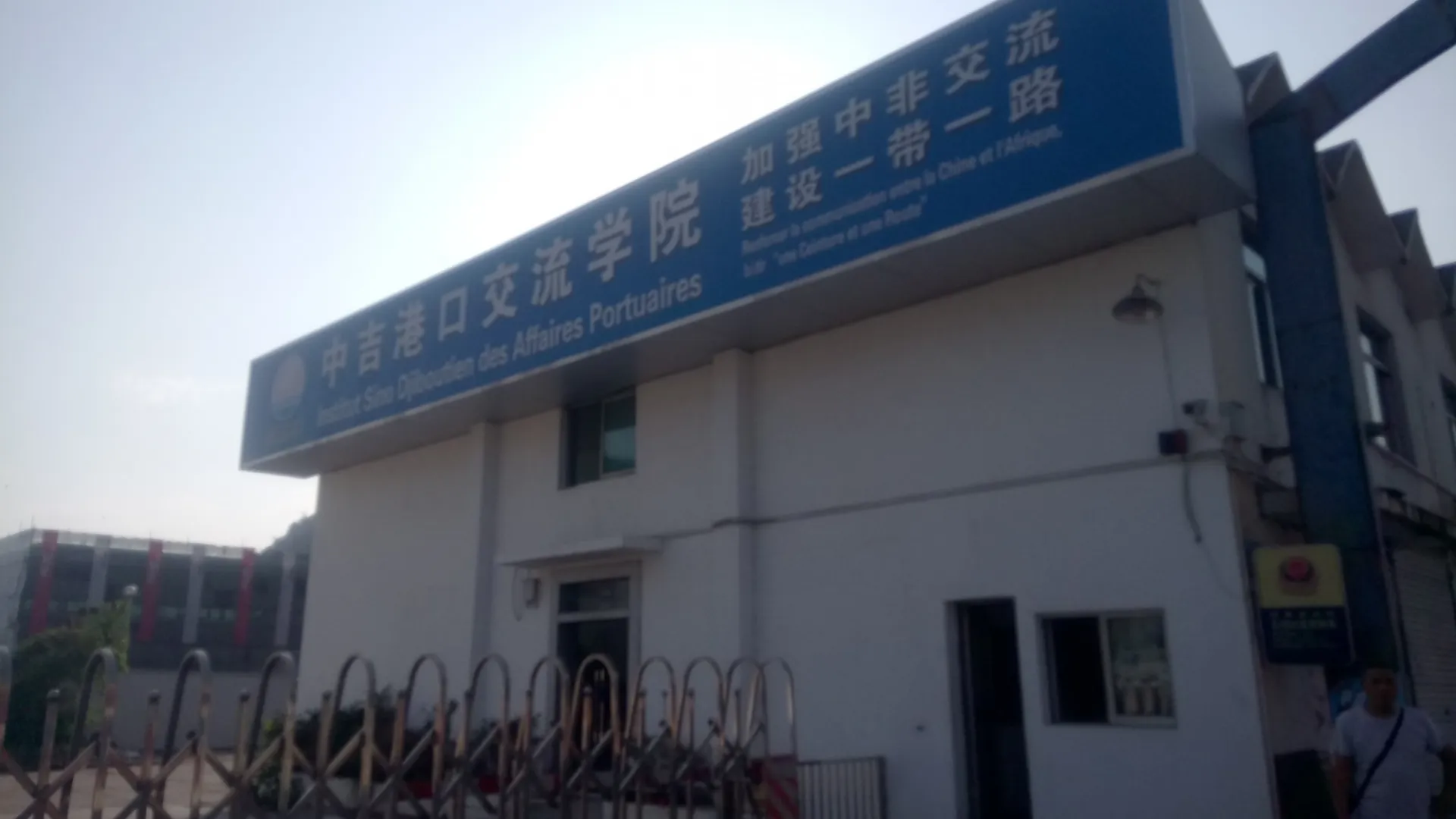
Compared to other regions, sub-Saharan Africa is not a high strategic priority for China, Russia, or the United States. Most of the vital interests of these powers are in Asia, Europe, the Western Hemisphere, and the Middle East. That said, in recent years, U.S. concerns about Chinese and Russian basing in sub-Saharan Africa (SSA) have grown, largely owing to the two countries’ increased desire to project power and influence globally. But each country has different interests and capacities in sub-Saharan Africa, and U.S. strategy in the region should account for what drives these powers’ basing behavior. China seeks to secure and maintain access to resources and markets and safeguard its citizens and businesses abroad. Russia, with more limited economic and political stakes in the region, is more opportunistic. It tends to pursue its interests in an ad hoc fashion, often through undertaking profit-seeking and destabilizing activities. The United States primarily seeks to maintain strategic access to the continent, counter threats to U.S. persons, facilities, and interests from violent extremist organizations or other maligned actors and to prevent and respond to humanitarian and other crises. In terms of capacity, China has only one base, located in Djibouti. However, the U.S. government suspects it is pursuing other bases in multiple countries, including Angola, Equatorial Guinea, Kenya, Namibia, the Seychelles, and Tanzania. Russia is planning for a base in Sudan, as publicly reported in 2020, and is likely seeking base access in several other SSA locations, including Eritrea and Somaliland. In addition, Russia now uses mercenaries of the Wagner Group, a paramilitary organization, to support regimes in countries such as the Central African Republic, Madagascar, Mali, Mozambique, and Sudan. The United States maintains a permanent base in Djibouti, an Air Force facility in Niger, and troops in Kenya and Somalia, and it has authorized special operations forces to support counterterrorism missions in other SSA countries. It also provides logistical support to French counterterrorism operations in Mali.
https://www.brookings.edu/wp-content/uploads/2023/02/FP_20230207_sub_saharan_africa_basing_murphy.pdf
Dawn Murphy is an associate professor of national security strategy at the U.S. National War College. She is the author of the book China’s Rise in the Global South: The Middle East, Africa, and Beijing’s Alternative World Order
Photo Credit: By WhisperToMe - Own work, CC BY-SA 3.0, https://commons.wikimedia.org/w/index.php?curid=58415030