‘Stand Up Like A Taiwanese!’ - By CWP Alum Ja Ian Chong
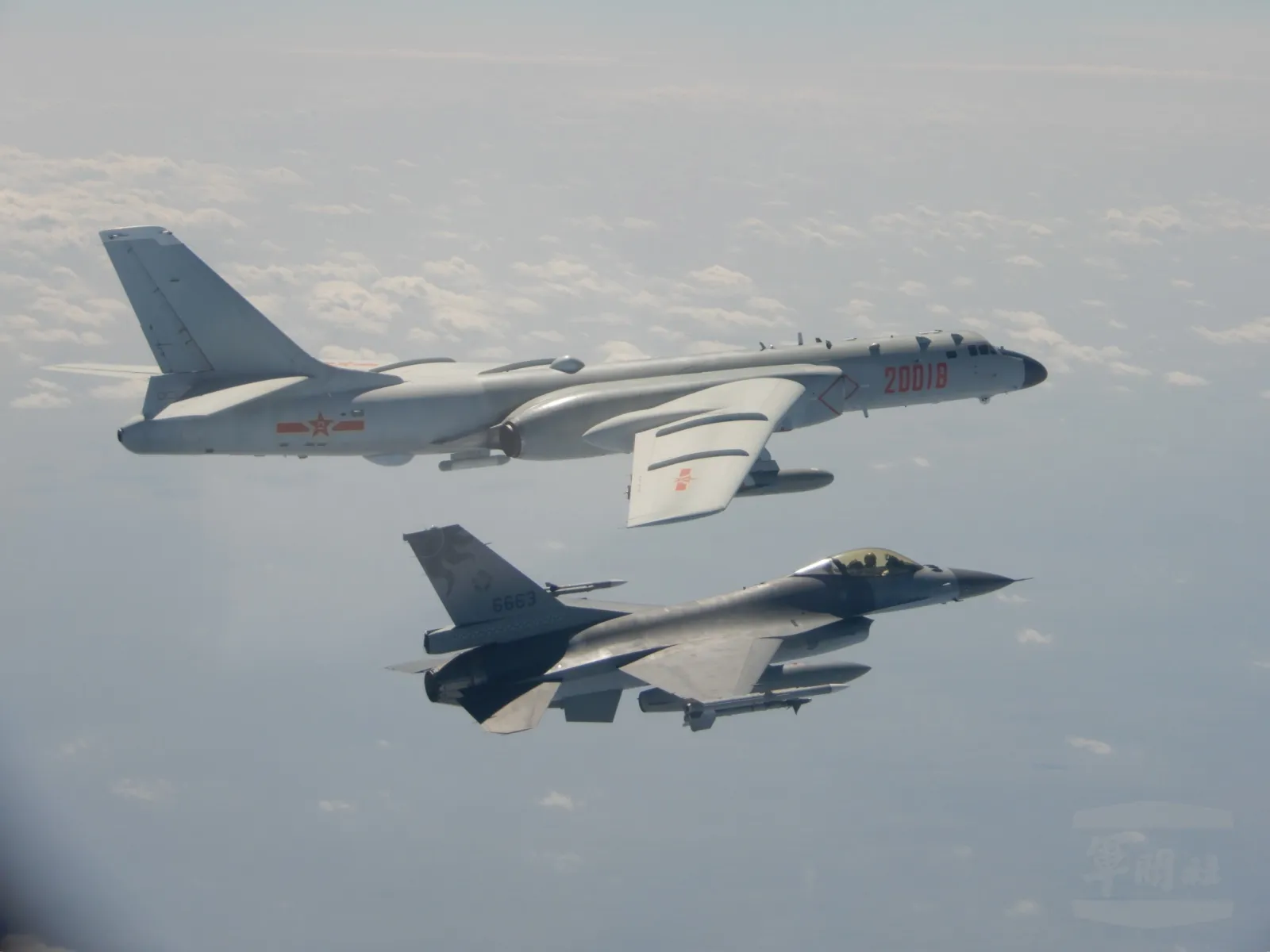
Taiwan's opposition to PRC demands such as acceptance of the ‘92 Consensus’ and ‘One Country, Two Systems’ formula since 2016 has invited a series of retaliatory measures from Beijing, designed to coerce Taiwan into compliance. Given the stark asymmetry in economic size, military capability, and diplomatic status, Taiwan provides a case for studying coercive diplomacy that takes the form of threats to punish. Material differences suggest that Taiwan should capitulate, and ‘cheap talk’ theses expect PRC threats to have no discernible effect, while balance of threat arguments expect resolve. In this article, we use the survey data collected in the 2016, 2019, and 2020 rounds of the Taiwan National Security Study to examine how Taiwanese respond to China's intensifying and expanding threats. Our paper identifies four strategies that the public sees as responses to PRC coercion: isolation, bandwagon with China, balance against China by allying with the USA and Japan, and hedge by deepening economic ties with China while aligning with the USA and Japan against China. We show that the popular support for balancing against China rises as PRC coercion grows and Taiwanese citizens increasingly perceive China to be a threat. Our findings imply that citizens in a liberal democracy can develop the will to pushback against pressure from an authoritarian regime despite sharp asymmetries in capabilities and material limitations.
‘Stand up like a Taiwanese!’: PRC coercion and public preferences for resistance
Published online by Cambridge University Press: 24 March 2023 Ja Ian Chong, David W. F. Huang and Wen-Chin Wu
The focus of my teaching and research is on international relations, especially IR theory, security, Chinese foreign policy, and international relations in the Asia-Pacific. Of particular interest to me are issues that stand at the nexus of international and domestic politics, such as influences on nationalism and the consequences of major power competition on the domestic politics of third countries. I also enjoy looking at historical material in my research. In addition to my academic background, I have experience working in think-tanks both in Singapore and in the United States. As such, I also look at the relationship between political science theory and policy, and believe the two can inform each other.
I am author of External Intervention and the Politics of State Formation–China, Indonesia, Thailand, 1893-1952 (Cambridge, 2012), which received the 2013 Best Book Award from the International Security Studies Section of the International Studies Association.
Photo Credit: By 軍事新聞通訊社, Attribution, https://commons.wikimedia.org/w/index.php?curid=86999371