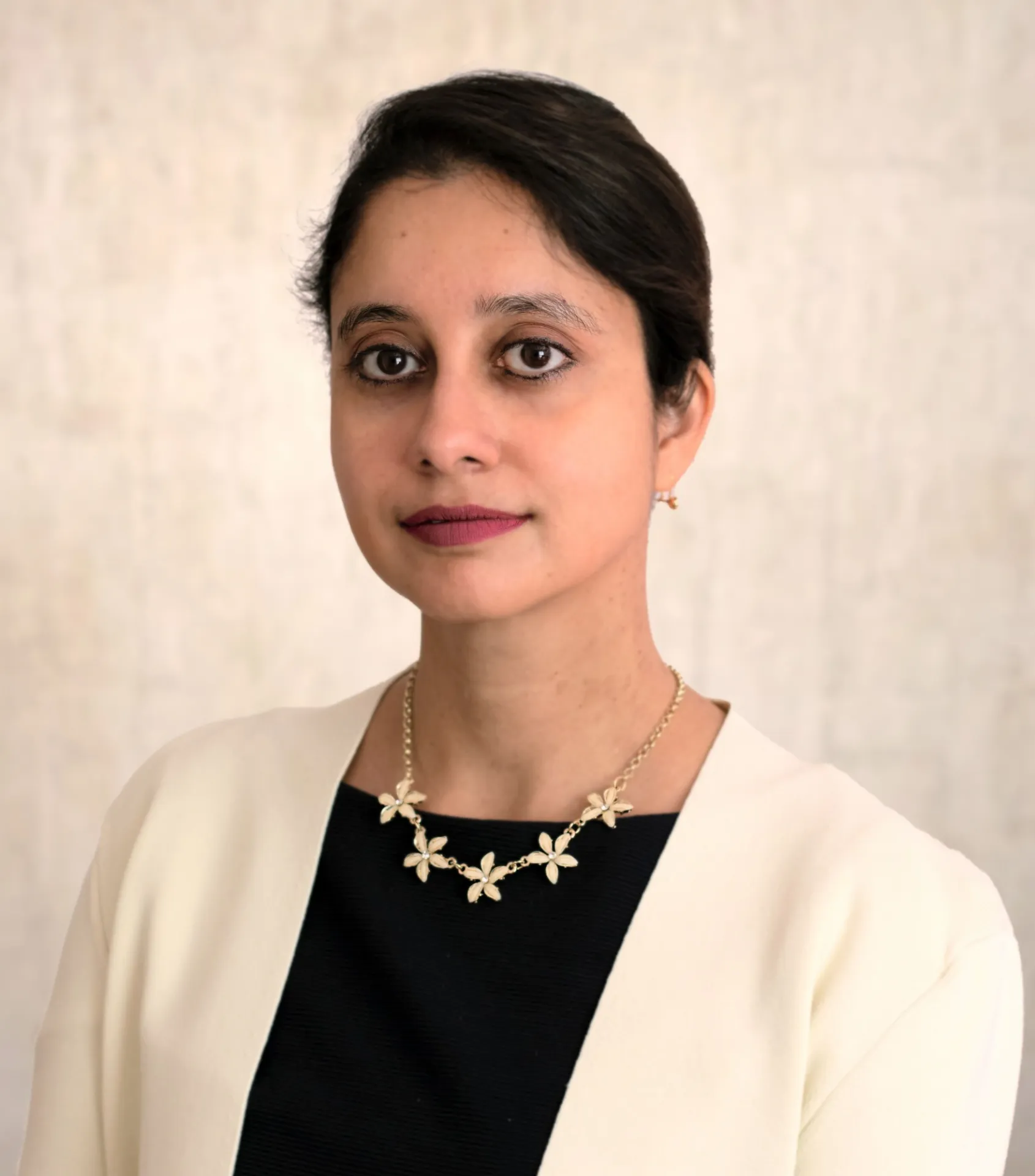
"Responsible Consensus at the WTO Can Save the Global Trading System" - by CWP alum Manjari Chatterjee Miller
The international trading system is gearing up for another test of its resilience. In late February, trade ministers will meet in Abu Dhabi for the thirteenth ministerial conference (MC13) of the World Trade Organization (WTO) in hopes of concluding several ongoing trade negotiations and laying the groundwork for institutional reform. The list of agenda items is vast—WTO reform, a waiver for COVID-19 therapeutics and diagnostics, e-commerce, fisheries subsidies, agriculture, and investment for development—and consensus among WTO members remains far off.
That some WTO members have vehemently opposed the increasingly popular concept of plurilateralism is of particular concern. Plurilateral negotiations are open to all parties, but in practice are carried out by only those members who are particularly interested in the issue at hand. These negotiations have become the most pragmatic method of reaching agreement on new rules in an organization such as the WTO, which has grown far beyond its initial capacity. But some countries, such as India, have strongly objected to any discussions that do not involve the entire 164-country WTO membership. Their objections are directly undermining efforts by the United States to make the WTO “more relevant to today’s challenges,” and potentially scuttling efforts to update international trade rules to address modern concerns. If the United States is as committed to the WTO as it claims to be, then it needs to convince those recalcitrant members to drop their obstructionist approach. India particularly is a heavyweight player in the WTO, and it should also, on its own, take the opportunity to chart a new course and productively engage in trade discussions where it has otherwise been absent.
Blog Post by Inu Manak and Manjari Chatterjee Miller - January 22, 2024 9:02 am (EST) - https://www.cfr.org/blog/responsible-consensus-wto-can-save-global-trading-system
Manjari Chatterjee Miller is senior fellow for India, Pakistan, and South Asia at the Council on Foreign Relations (CFR). She is also a research associate in the Contemporary South Asian Studies Programme at the Oxford School of Global and Area Studies at the University of Oxford. An expert on India, China, South Asia, and rising powers, she is the author of Why Nations Rise: Narratives and the Path to Great Power (2021, shortlisted for the 2022 Hedley Bull Prize in International Relations) and Wronged by Empire: Post-Imperial Ideology and Foreign Policy in India and China (2013). Miller is also the co-editor of the Routledge Handbook of China-India Relations (2020), a columnist for the Hindustan Times, and a frequent contributor to policy and media outlets in the United States and Asia.
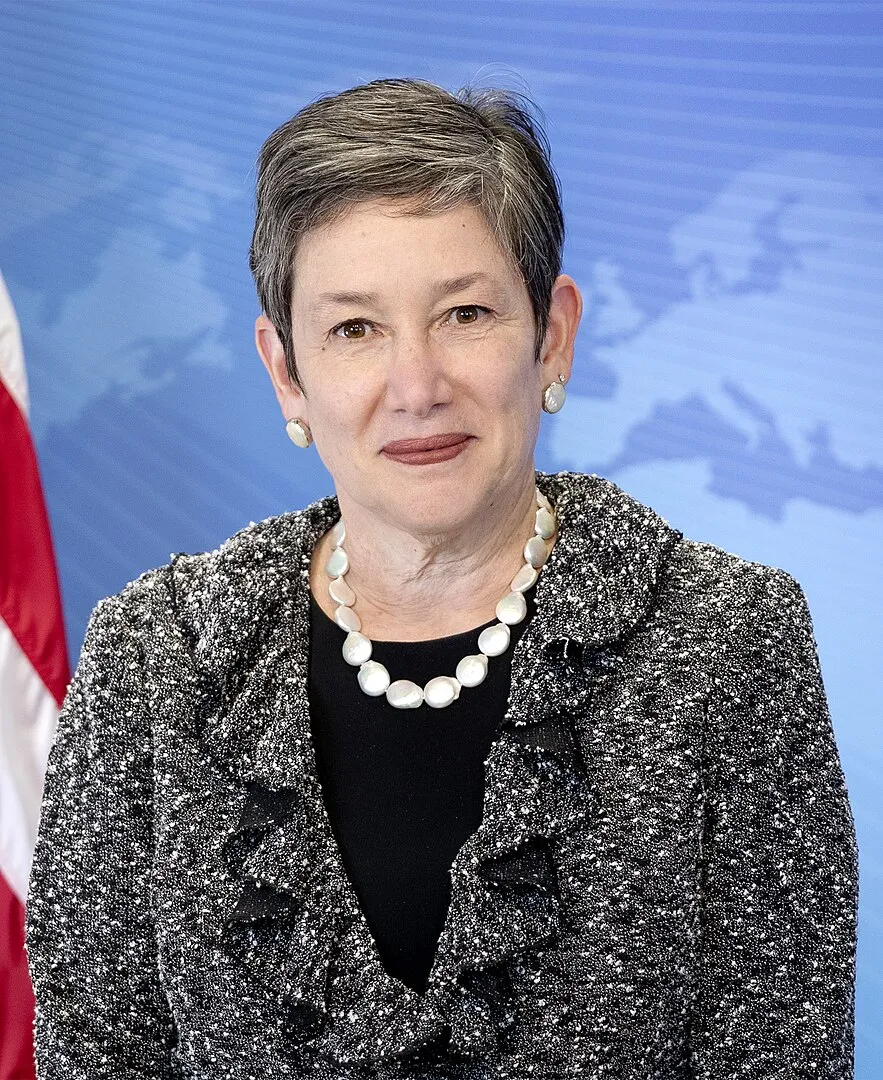
Photo Credit: By Executive Office of the President of the United States - https://ustr.gov/about-us/biographies-key-officials/maria-pagan-deputy-general-counsel, Public Domain, https://commons.wikimedia.org/w/index.php?curid=132776863