"Politics Will Determine China’s Economic Future During Xi’s Third Term" - By CWP Alum Zongyuan Zoe Liu
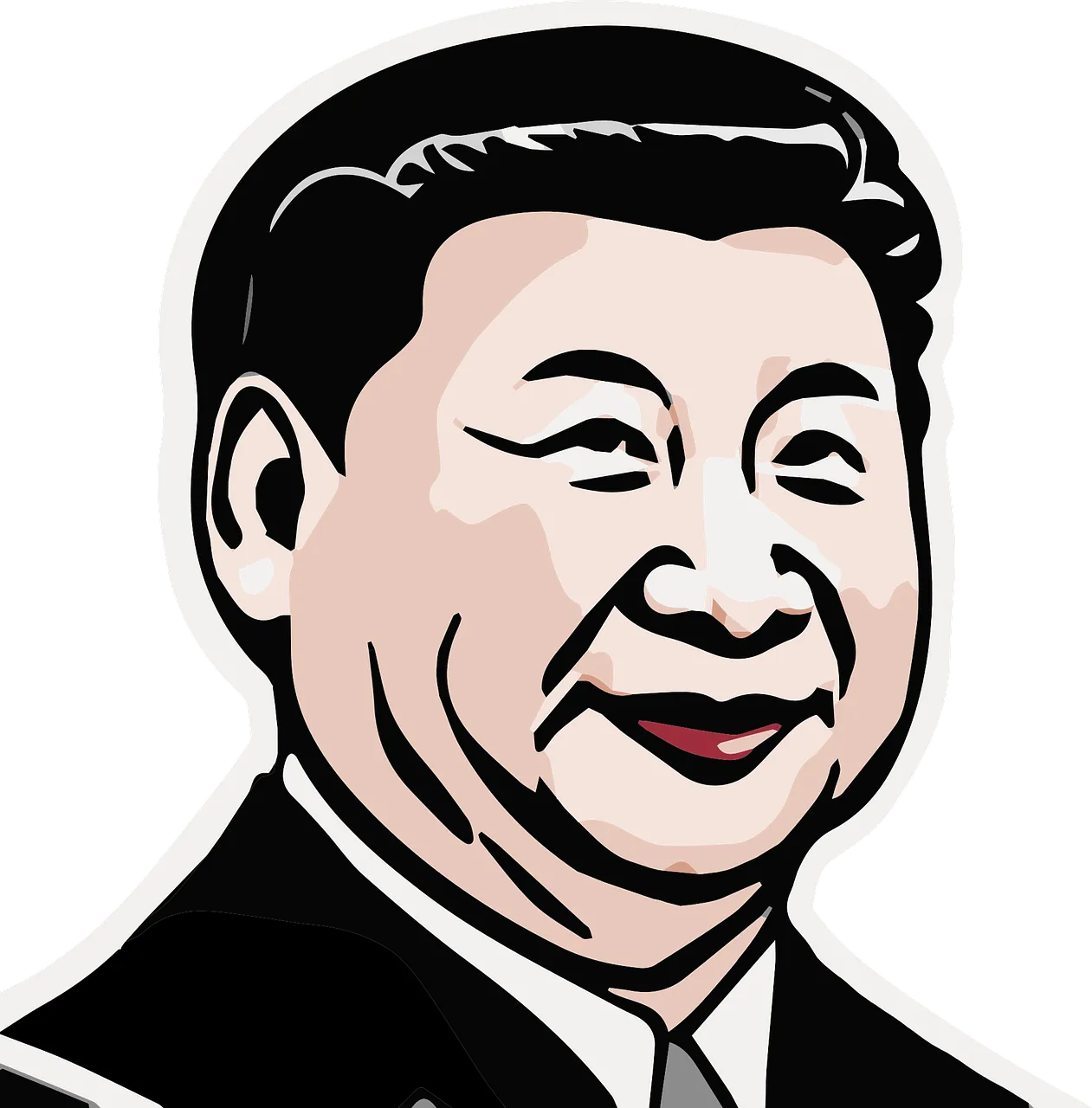
During the twentieth congress of the Chinese Communist Party, Chinese President Xi Jinping secured a third five-year term as the party’s general secretary and stacked its seven-man Politburo Standing Committee with his loyalists. These leadership appointments, as well as Xi’s speech to the congress, indicate that major decisions in China will now place more emphasis on politics—particularly loyalty to Xi—rather than on economic outcomes.
Li Qiang, the party secretary of Shanghai, was promoted to the number-two position in China’s political hierarchy. Li Qiang is known for overseeing Shanghai’s harsh COVID-19 lockdown, which had major economic consequences. His promotion shows that loyalty to Xi now seems to matter more than competence in economic governance. Party cadres and officials at all levels of government will likely prioritize loyalty to Xi rather than the commitment to reform and opening up initiated by China’s last transformational leader, Deng Xiaoping, in 1978.
Zongyuan Zoe Liu is a fellow for international political economy at the Council on Foreign Relations (CFR). Her work focuses on international political economy, global financial markets, sovereign wealth funds, supply chains of critical minerals, development finance, emerging markets, energy and climate change policy, and East Asia-Middle East relations. Dr. Liu’s regional expertise is in East Asia, specifically China and Japan, and the Middle East, specifically Gulf Cooperation Council countries. Dr. Liu is the author of Can BRICS De-dollarize the Global Financial System? (Cambridge University Press) and Sovereign Funds: How the Communist Party of China Finances its Global Ambitions (Harvard University Press, forthcoming 2023).
Photo Credit: https://pixabay.com/users/w4hr-25851379/