"Middle Powers Take Center Stage" by CWP alum Manjari Chatterjee Miller
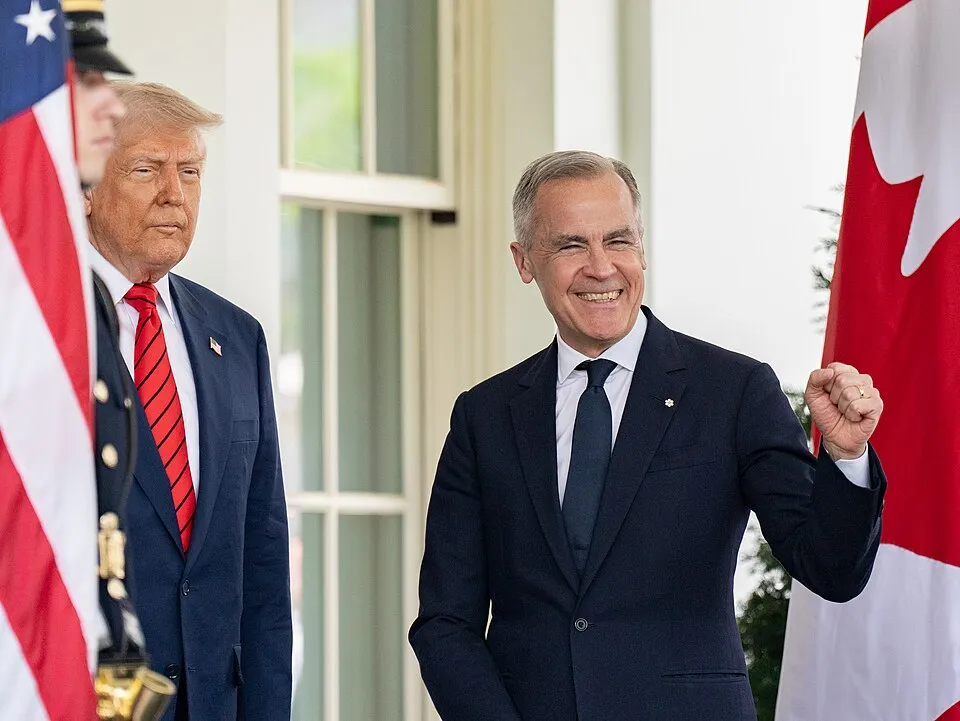
At the January 2026 annual gathering in Davos, U.S. allies were openly anxious. Canadian Prime Minister Mark Carney made the biggest splash, warning of “a rupture in the world order,” and suggesting that the United States was no longer a reliable ally or stabilizing force in world politics. Carney was not the only one who expressed concern. French President Emmanuel Macron described a shift to a “world without rules, where international law is trampled underfoot, and where the only law that seems to matter is that of the strongest.”
Commentators rushed to declare the collapse of the liberal international order. But international orders rarely collapse in a single dramatic moment. Instead, the world is seeing something different but equally hard to manage: fragmentation. Fragmentation means the rise of competing orders—coalitions of middle powers that claim to support the existing system but quietly build exclusive clubs with their own norms and rules. Middle powers are usually not revisionist, and many of them have been important partners of the United States. If they turn away from the liberal international order to build their own clubs, they could gradually speed up the order’s demise, and, in the absence of alternatives, sideline U.S. leadership.
It would be a mistake to pin this phenomenon entirely on President Donald Trump’s hostility toward the United States’ old alliances. The Biden administration did its fair share to normalize exclusive coalitions. By building such groups, it hoped to draw countries away from dependence on China and isolate Beijing. In April 2022, Treasury Secretary Janet Yellen promoted a “friendshoring” strategy, calling for supply chains to be redirected toward trusted countries aligned with the U.S. vision of the global economy. This strategy was anchored by the CHIPS and Science Act, the Inflation Reduction Act (IRA), and the Minerals Security Partnership. In practice, friendshoring meant restructuring critical mineral and semiconductor supply chains around a select group of countries while drawing a sharp line against China. While the Biden administration spoke the language of openness and multilateral cooperation—bedrock norms of the liberal international order—it was in fact operating through small, selective economic clubs. In other words, it was advancing the antithesis of the liberal order’s goals.
The Future of American Strategy
https://www.cfr.org/articles/middle-powers-take-center-stage
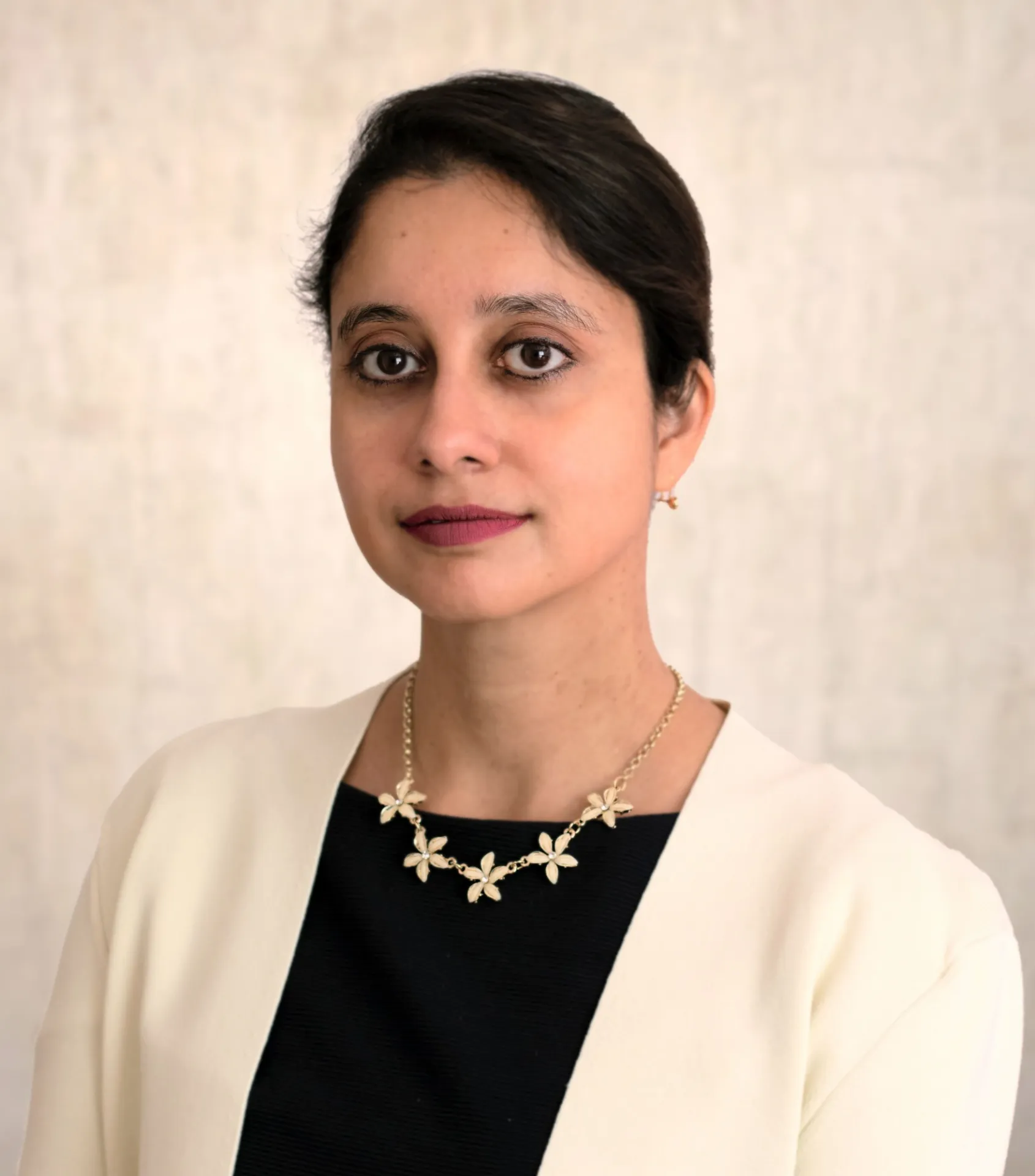
Manjari Chatterjee Miller is Professor of international relations, and the inaugural Munk Chair in Global India at the Munk School. She is a Senior Fellow at the Council of Foreign Relations. She is also an associate at the Asia Center, Harvard University. An expert on India, China, and rising powers, she is the author of Why Nations Rise: Narratives and the Path to Great Power (2021, shortlisted for the 2022 Hedley Bull Prize in International Relations), Wronged by Empire: Post-Imperial Ideology and Foreign Policy in India and China (2013), and the co-editor of the Routledge Handbook of China-India Relations (2020).
Previously, Miller was a tenured associate professor of international relations at the Pardee School of Global Studies, and the director of the Rising Powers Initiative at the Pardee Center, Boston University. She has also been a non-resident fellow at the Atlantic Council, a fellow at the Belfer Center of Science and International Affairs at Harvard University, a visiting associate professor at the Lee Kuan Yew School of Public Policy at the National University of Singapore, and a visiting scholar at the Chinese Academy of Social Sciences, and the Crawford School of Public Policy at Australian National University. She has published numerous articles in peer-reviewed and policy journals, and chapters in edited books. She serves on the international advisory board of Chatham House's International Affairs journal and the editorial board of the National Bureau of Asian Research's Asia Policy journal, and her research has been supported by grants and fellowships from multiple institutions. A frequent contributor to media and policy outlets in the United States and abroad, from 2020-2024 Miller was a columnist for the Hindustan Times. Miller received a BA from the University of Delhi, an MSc from the University of London, and a PhD from Harvard University. She was a post-doctoral fellow in the China and the World Program at Princeton University.
Photo Credit: https://www.cfr.org/articles/middle-powers-take-center-stage
By The White House - https://www.flickr.com/photos/202101414@N05/54501166312/, Public Domain, https://commons.wikimedia.org/w/index.php?curid=165776033