
"Kishida The Accelerator: Japan’s Defense Evolution After Abe" - By CWP Alum Adam P Liff
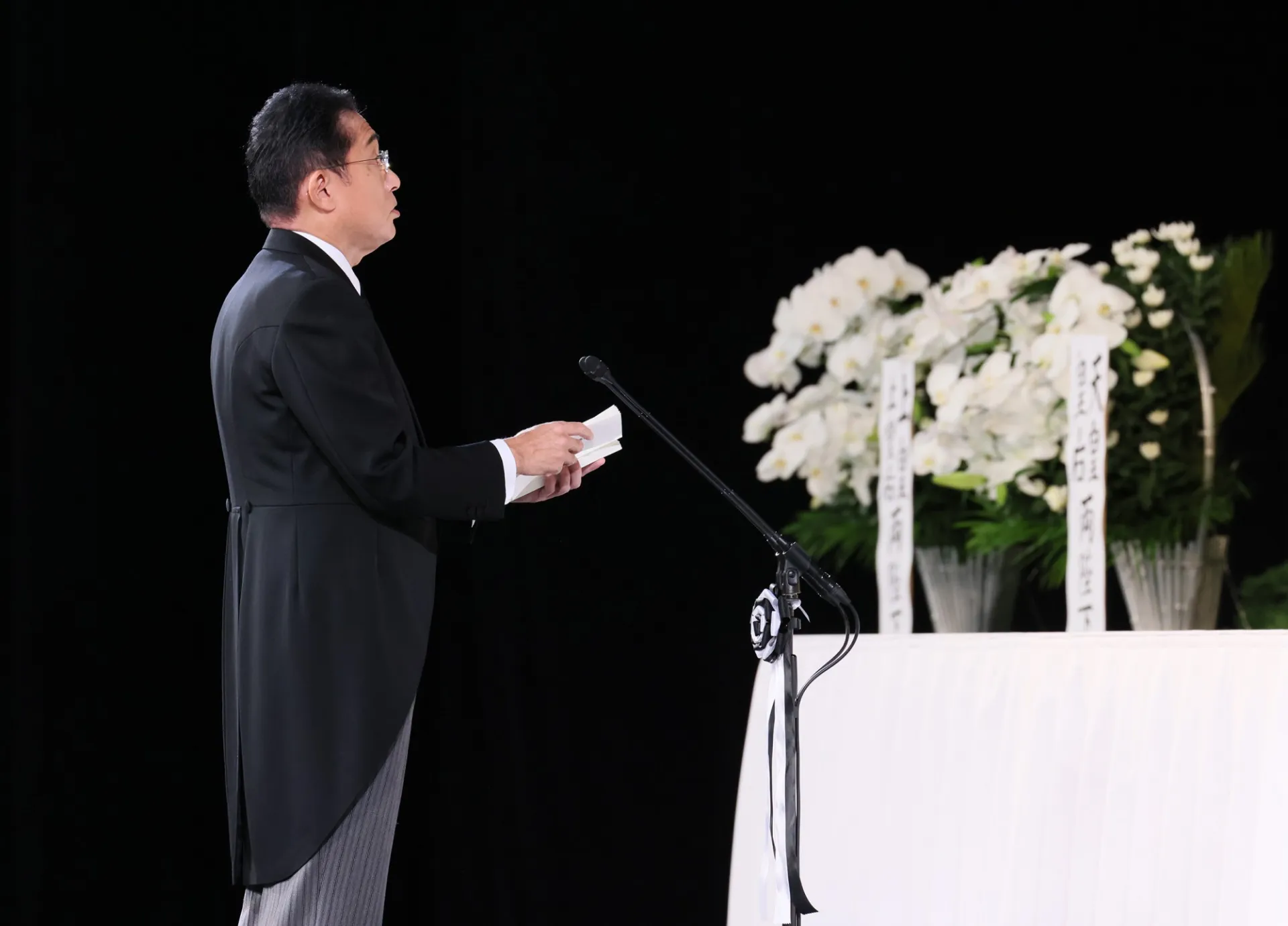
Japanese Prime Minister Fumio Kishida’s January 2023 summit with President Biden capped one of the most significant months for Japanese defense policy in decades. On December 16, Kishida’s government announced a strikingly ambitious revision of Japan’s national security strategy—the first since 2013. Part of a package of three major security documents also including Japan’s new national defense strategy and defense buildup plan, last December’s announcements are as remarkable for the substantive ambition and breadth of the pledges contained within as for what they reveal about rapidly worsening concerns in Japan about regional and global geopolitical and geo-economic trends. Confronting what they call “the most severe and complex security environment since the end of WWII” and stating that the world is at a “historical inflection point,” Japan’s new strategies call for “fundamentally reinforcing Japan’s capabilities,” “reinforc[ing] joint deterrence and response capability of the Japan-US alliance,” and “reinforce[ing] collaboration with like-minded countries … to cooperate in upholding and reinforcing a free and open international order.” 1 Included within the three documents are, inter alia, two headline-grabbing and unprecedented pledges: to surge Japan’s official defense budget—for decades unofficially pegged to 1 percent of GDP—by nearly two-thirds by 2027, and to acquire long-range missiles capable of striking military targets.
https://bpb-us-e1.wpmucdn.com/blogs.gwu.edu/dist/1/2181/files/2023/04/Liff_TWQ_46-1.pdf
Adam P. Liff is Associate Professor of East Asian International Relations at Indiana University’s Hamilton Lugar School of Global & International Studies, and Director of its 21st Century Japan Politics and Society Initiative. He is also a Nonresident Senior Fellow in Foreign Policy at the Brookings Institution.
Photo Credit: By 首相官邸, CC BY 4.0, https://commons.wikimedia.org/w/index.php?curid=123447563