"Influence and support for foreign aid: Evidence from the United States and China" - by CWP alum Austin Strange
When do members of the public support outgoing foreign aid? Existing research often focuses on individual and sociotropic sources of support based on economic, ideological, and emotional considerations. This article examines a potentially under-appreciated source of attitudes toward outgoing aid: foreign policy influence for one’s country. I argue that observers can make intuitive associations between different types of aid and different influence outcomes, and that the prospect of influence will generally increase support for outgoing aid. To test these claims, I conduct parallel survey experiments in the two largest donor and lender countries, the United States and China. I find that an aid project’s mode of delivery and degree of visibility affect its perceived value for influence-seeking, and that respondents understand and generally support the use of aid for influence. While direct aid to governments does not appear to increase support, project visibility does, and support is particularly high for visible aid provided directly to host country governments. The findings contribute to existing international relations and political economy research on aid and public opinion, international influence, and Chinese development finance.
- Published: 22 December 2023 - https://link.springer.com/article/10.1007/s11558-023-09520-5
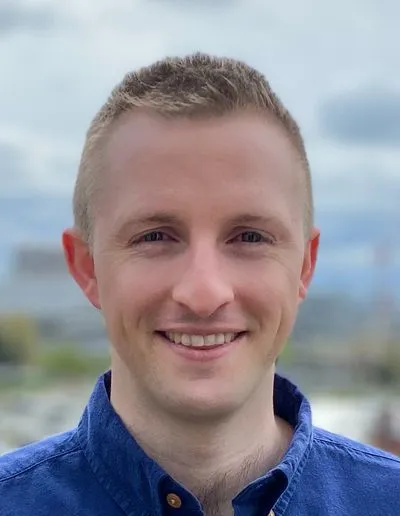
Austin Strange is Assistant Professor of International Relations in the Department of Politics and Public Administration. He researches and teaches Chinese foreign policy, international political economy, and international development. Austin’s current research focuses on China’s historical and contemporary roles in the world economy.
In 2021-2022 Austin was a Wilson China Fellow at the Wilson Center and was previously a fellow with the Columbia-Harvard China and the World Program. He received a Ph.D. in Government from Harvard University, M.A. from Zhejiang University, and B.A. from the College of William & Mary.
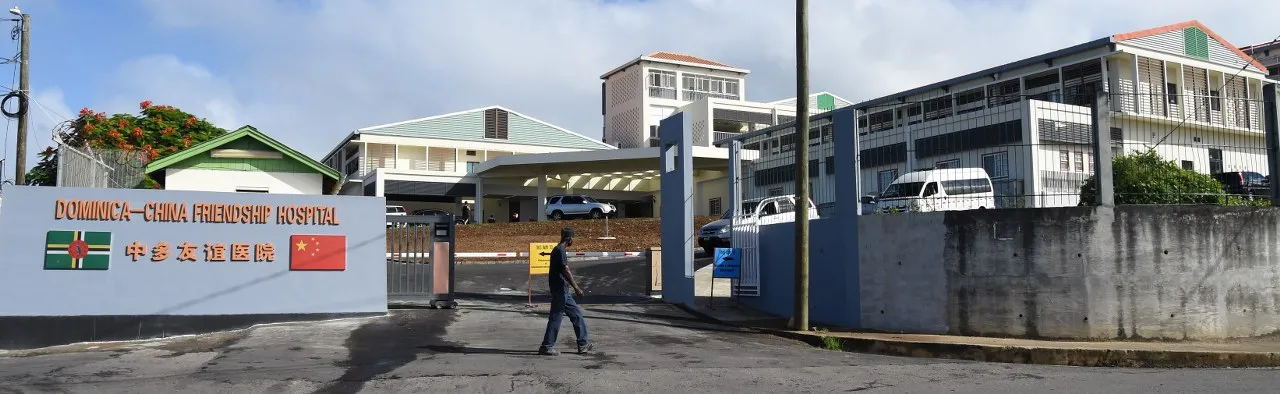
Photo Credit: https://news.gov.dm/news/5149-third-phase-of-the-dominica-china-friendship-hospital-officially-handed-over and https://news.gov.dm/images/D0M-CHI_HOSPITAL.jpg