"India After the Liberal Order" - by CWP alum Manjari Chatterjee Miller

Despite being the world’s two largest democracies, the United States and India have often been at odds over issues of strategic autonomy and Western-dominated rules and institutions. The end of the Cold War presented the two with a window for rapprochement, and while the bilateral partnership progressed, India largely remained a reluctant participant in the U.S.-led global order.
India has been skeptical of that order from the start. It won its independence from the United Kingdom at the same time the United States was creating the institutions—the UN, World Bank, and International Monetary Fund—that would govern the liberal international order after World War II. The vast majority of states, many emerging from centuries of colonial control, had little say in those institutions’ founding charters. Indian leaders, fresh off their own anticolonial struggle, were loath to resubmit to Western dictates and opted for formal nonalignment during the Cold War. The two found some common ground in defense and a shared China threat after the Soviet Union fell. But India’s deeply held skepticism remained, even as it participated in the institutions of the liberal order and responded to U.S. overtures to deepen the relationship.
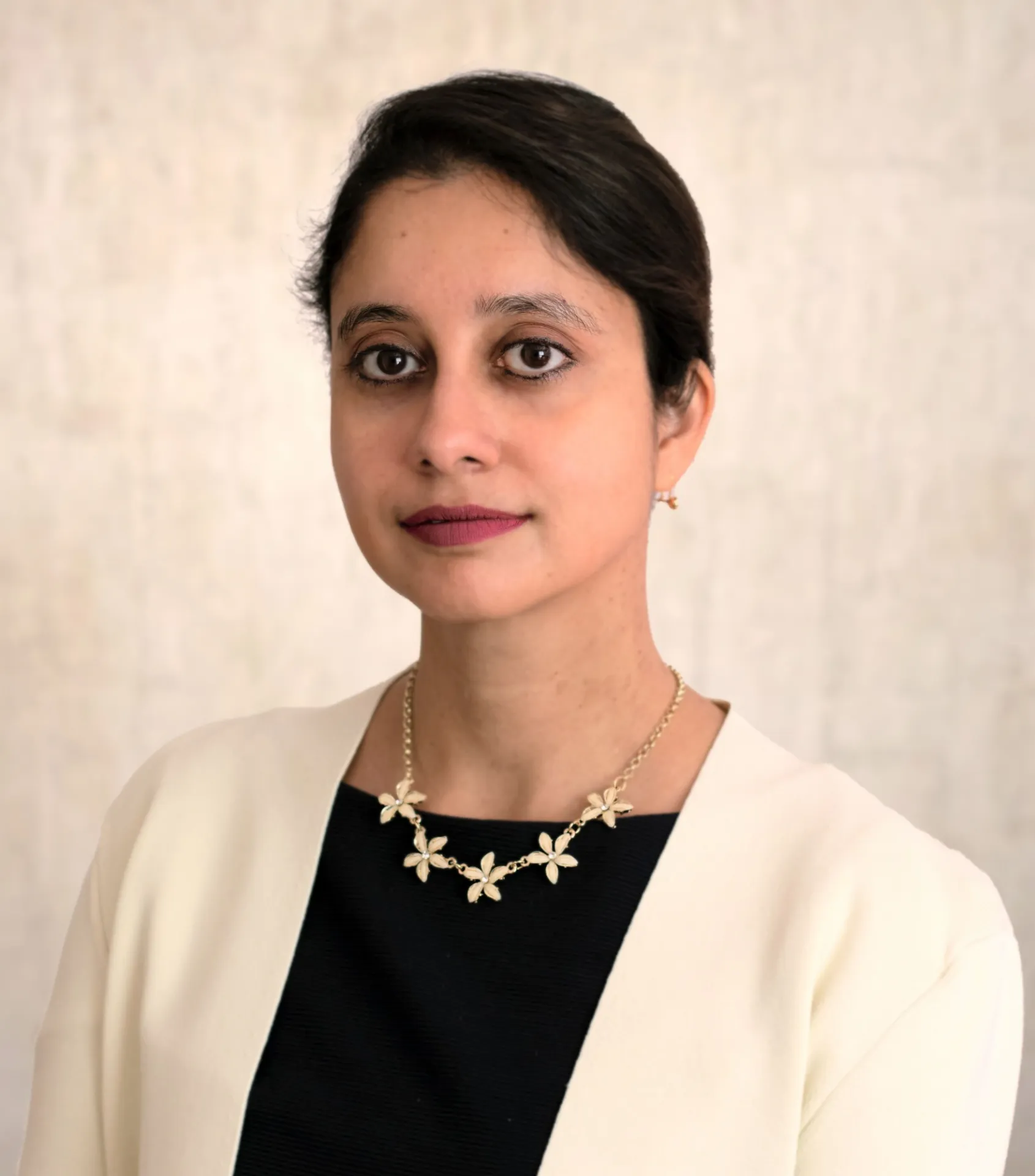
Manjari Chatterjee Miller is Professor of international relations, and the inaugural Munk Chair in Global India at the Munk School. She is a Senior Fellow at the Council of Foreign Relations. She is also an associate at the Asia Center, Harvard University. An expert on India, China, and rising powers, she is the author of Why Nations Rise: Narratives and the Path to Great Power (2021, shortlisted for the 2022 Hedley Bull Prize in International Relations), Wronged by Empire: Post-Imperial Ideology and Foreign Policy in India and China (2013), and the co-editor of the Routledge Handbook of China-India Relations (2020).
Previously, Miller was a tenured associate professor of international relations at the Pardee School of Global Studies, and the director of the Rising Powers Initiative at the Pardee Center, Boston University. She has also been a non-resident fellow at the Atlantic Council, a fellow at the Belfer Center of Science and International Affairs at Harvard University, a visiting associate professor at the Lee Kuan Yew School of Public Policy at the National University of Singapore, and a visiting scholar at the Chinese Academy of Social Sciences, and the Crawford School of Public Policy at Australian National University. She has published numerous articles in peer-reviewed and policy journals, and chapters in edited books. She serves on the international advisory board of Chatham House's International Affairs journal and the editorial board of the National Bureau of Asian Research's Asia Policy journal, and her research has been supported by grants and fellowships from multiple institutions. A frequent contributor to media and policy outlets in the United States and abroad, from 2020-2024 Miller was a columnist for the Hindustan Times. Miller received a BA from the University of Delhi, an MSc from the University of London, and a PhD from Harvard University. She was a post-doctoral fellow in the China and the World Program at Princeton University.
Photo Credit: https://www.cfr.org/reports/india-after-the-liberal-order