"How Trump brought non-alignment back from the dead" - by CWP alum Manjari Chatterjee Miller

I argue on the heels of the NATO summit where President Trump once again held forth on Greenland and U.S. interests:
1. It's incredible and ironic how closely Trump's policy is hewing to non-alignment, an ideology once dismissed by John Foster Dulles as "an immoral and shortsighted conception," and condemned by the United States through the Cold War.
2. The problem is while nonalignment worked great for poor countries - India, a founding member, received gobs of aid from both the United States and Soviet Union - it comes with costs.
3. China, a nonaligned observer member, that participated closely in both Bandung in 1955 and subsequent crafting of the principles that would underpin NAM, has not entered into a single formal alliance since the founding of NAM in September 1961. Its partnerships (e.g. with Russia) are highly transactional and characterized by none of the closeness or trust that was a hallmark of NATO.
4. Even India has struggled with nonalignment or "strategic autonomy" in the modern parlance. It never managed to build trust with the United States, and its relationship with Russia now hobbles along uncertainly.
5. The costs of non-alignment are already appearing for the US. Its allies are openly looking for alternatives. Canada is investing in Arctic military capabilities. Poland and Finland are exploring bilateral defense pacts. No ally expressed, let alone provided, any support or sympathy for US security interests in the Iran war.
https://www.cfr.org/articles/how-trump-brought-non-alignment-back-from-the-dead-2
https://www.ft.com/content/354c1cf8-e96a-44f7-a8f5-c477d797d852
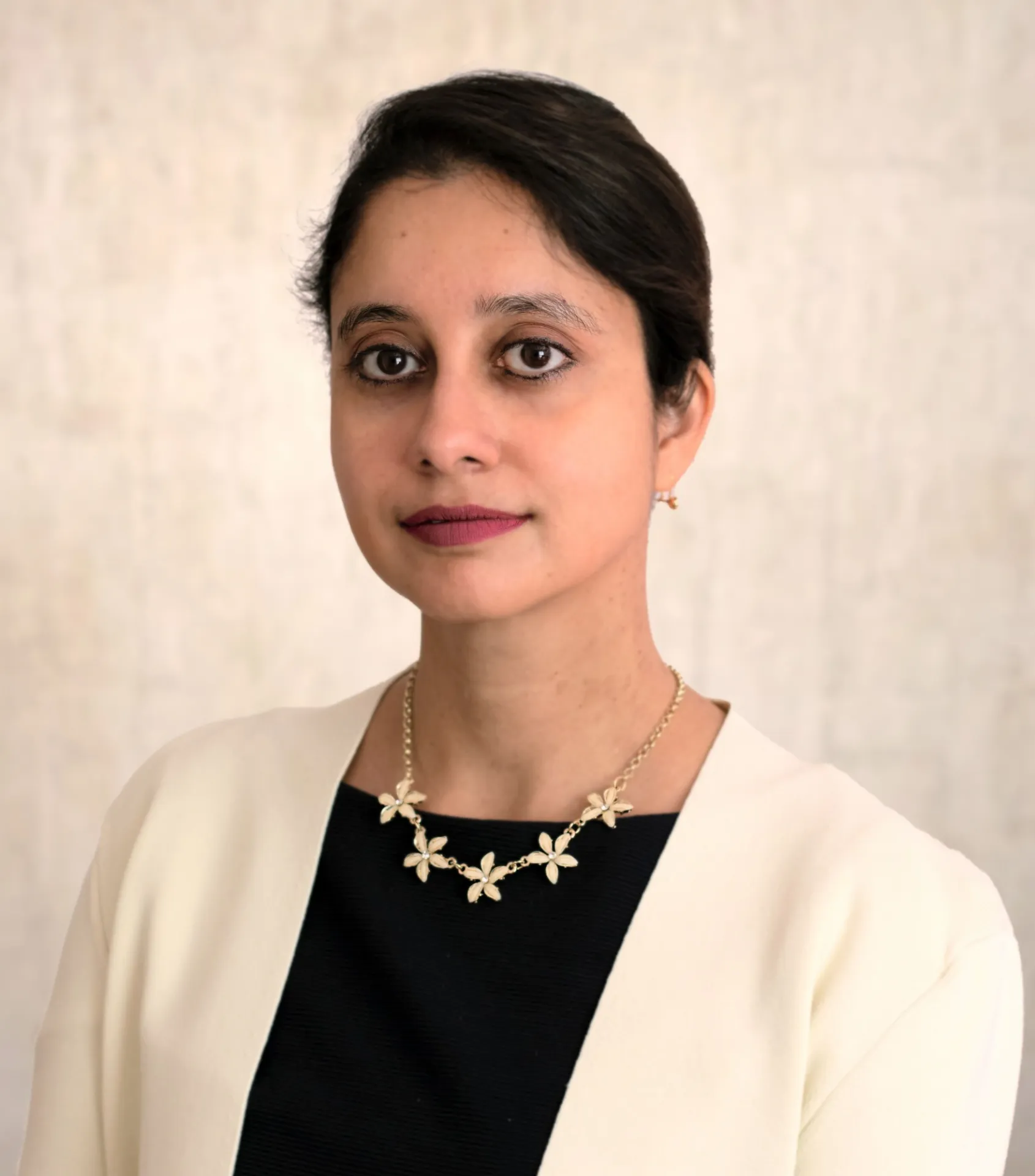
Manjari Chatterjee Miller is Professor of international relations, and the inaugural Munk Chair in Global India at the Munk School. She is a Senior Fellow at the Council of Foreign Relations. She is also an associate at the Asia Center, Harvard University. An expert on India, China, and rising powers, she is the author of Why Nations Rise: Narratives and the Path to Great Power (2021, shortlisted for the 2022 Hedley Bull Prize in International Relations), Wronged by Empire: Post-Imperial Ideology and Foreign Policy in India and China (2013), and the co-editor of the Routledge Handbook of China-India Relations (2020).
Previously, Miller was a tenured associate professor of international relations at the Pardee School of Global Studies, and the director of the Rising Powers Initiative at the Pardee Center, Boston University. She has also been a non-resident fellow at the Atlantic Council, a fellow at the Belfer Center of Science and International Affairs at Harvard University, a visiting associate professor at the Lee Kuan Yew School of Public Policy at the National University of Singapore, and a visiting scholar at the Chinese Academy of Social Sciences, and the Crawford School of Public Policy at Australian National University. She has published numerous articles in peer-reviewed and policy journals, and chapters in edited books. She serves on the international advisory board of Chatham House's International Affairs journal and the editorial board of the National Bureau of Asian Research's Asia Policy journal, and her research has been supported by grants and fellowships from multiple institutions. A frequent contributor to media and policy outlets in the United States and abroad, from 2020-2024 Miller was a columnist for the Hindustan Times. Miller received a BA from the University of Delhi, an MSc from the University of London, and a PhD from Harvard University. She was a post-doctoral fellow in the China and the World Program at Princeton University.
Photo Credit: Por Desconocido; SVG version created by odder (talk) - Derived from the Financial Times Identity and Communication Guidelines 2012 and converted into SVG format in Inkscape., Dominio público, https://commons.wikimedia.org/w/index.php?curid=33351299