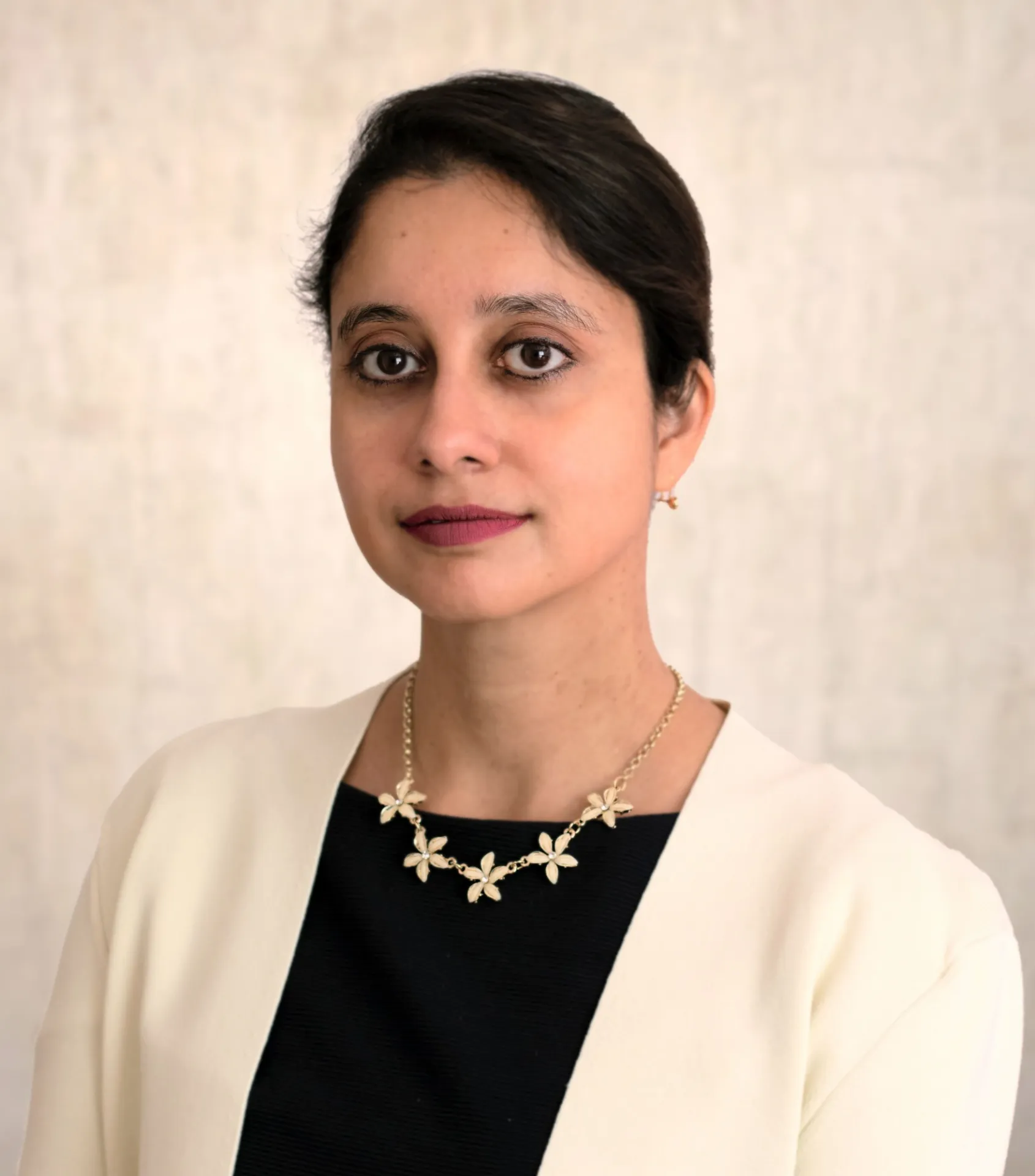
"How a Rising New Delhi Will Shift the Global Balance of Power" - by CWP alum Manjari Chatterjee Miller
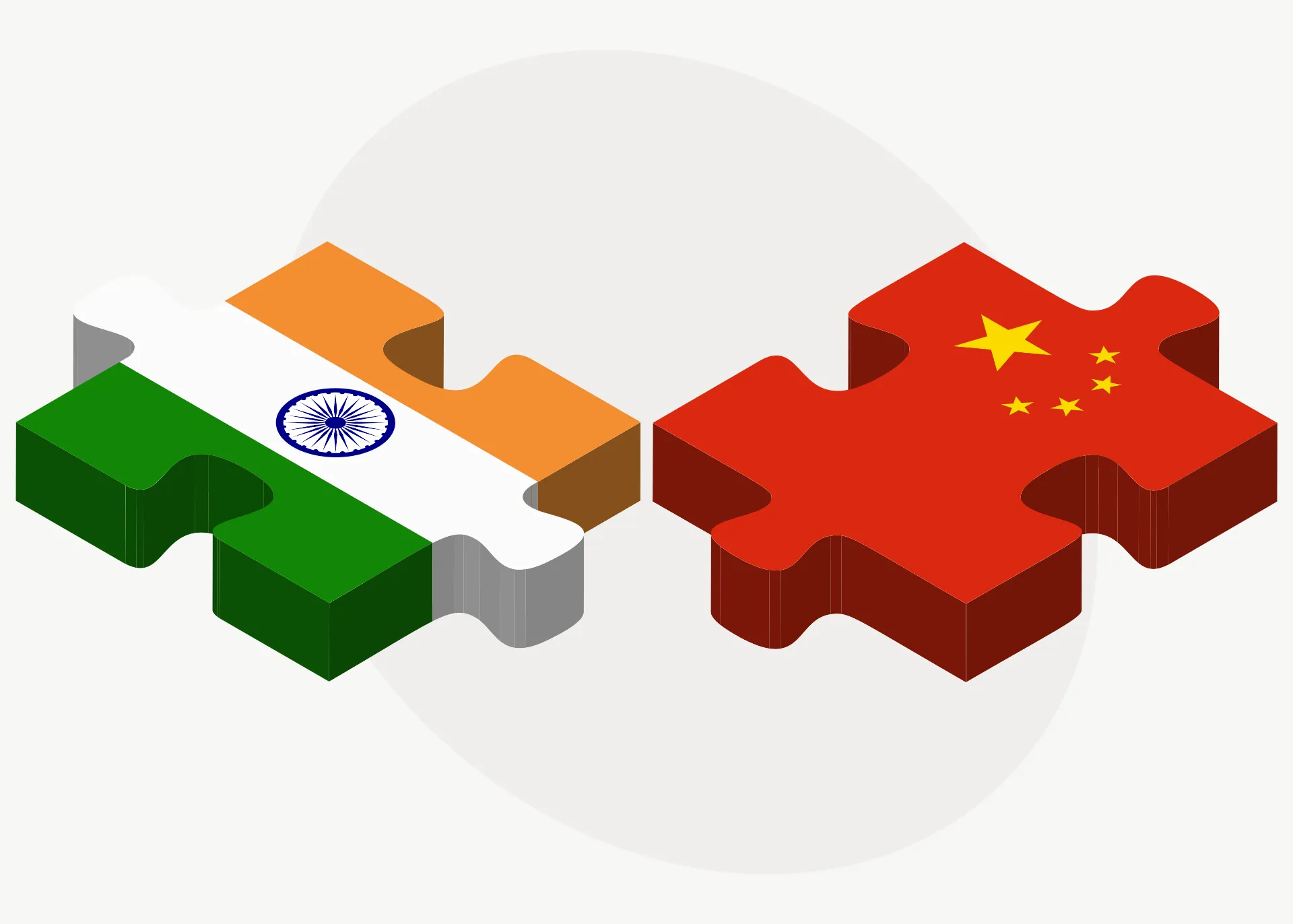
For more than a decade, the United States’ Asia policy has been consumed with one issue: the rise of China. President Joe Biden’s views did not fully align with those of President Barack Obama, and both men had many differences with Donald Trump. But all three fretted about what China, as a great power, might do to its region and to the world. They have, accordingly, oriented Washington’s Indo-Pacific strategy around partnerships and policies that can constrain Beijing.
But China is not the only rising power in Asia. The continent is also home to India: another nuclear-armed country with a huge population, army, and economy. And like China, India has a regional reputation for hegemonic behavior. Yet the United States hardly considers the possibility that India might pose a challenge of its own. Instead, American officials have reached out to India as a partner and encouraged its rise, hoping New Delhi will amass enough power to counterbalance Beijing. They seem to want India to become a regional power, perhaps even something akin to a “third pole” in the global order.
India Will Carve Its Own Path: How a Rising New Delhi Will Shift the Global Balance of Power
Manjari Chatterjee Miller - December 11, 2024
Manjari Chatterjee Miller is Professor of International Relations and the inaugural Munk Chair in Global India at the Munk School of Global Affairs and Public Policy, University of Toronto. She is a Senior Fellow at the Council on Foreign Relations and the author of Why Nations Rise: Narratives and the Path to Great Power
Photo Credit: https://www.foreignaffairs.com/india/india-will-carve-its-own-path