'How to find a face-saving way out of the US-China trade war' by CWP Kai He
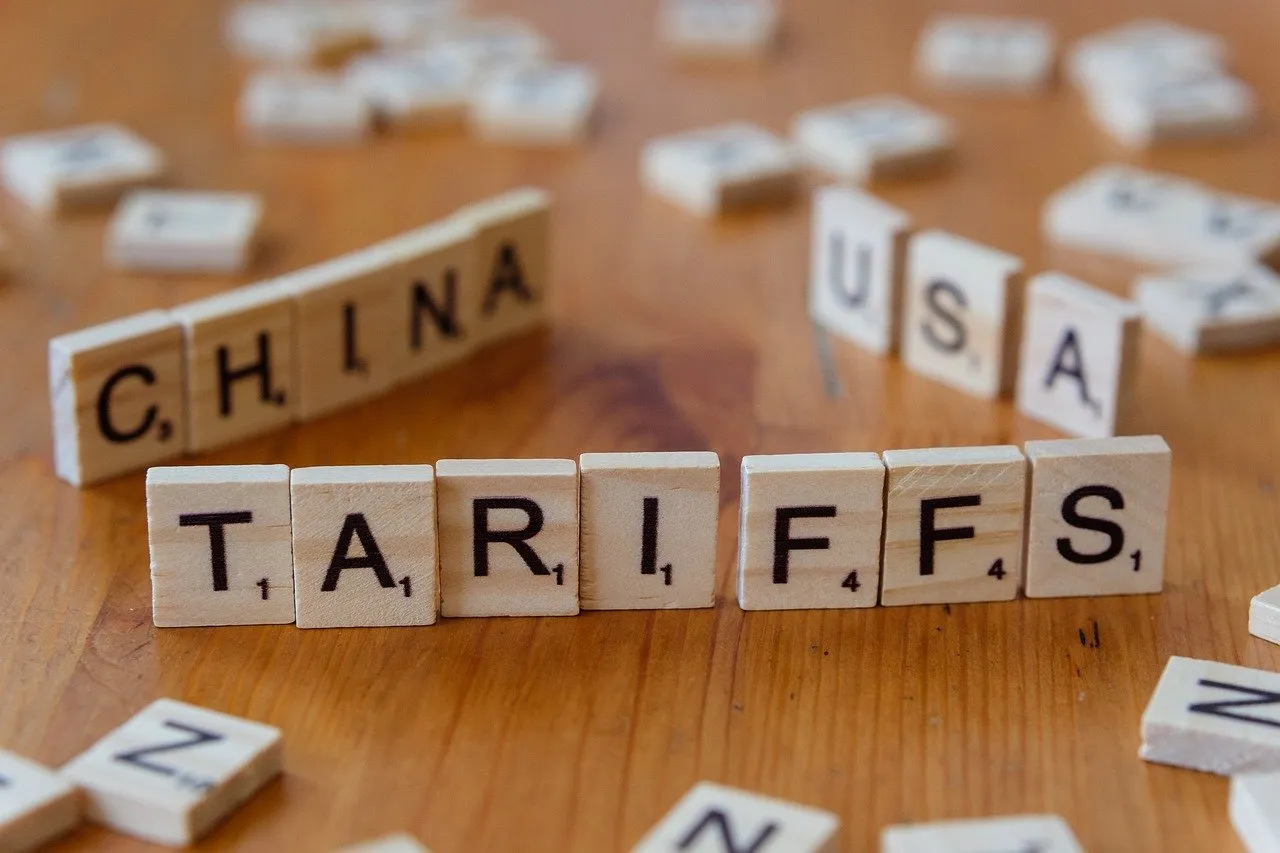
The escalating trade war between China and the United States has pushed the global economy to the brink of recession. Neither side shows signs of blinking. Washington has ramped up tariffs and tightened restrictions on Chinese tech, prompting retaliation from Beijing, which pledges to “fight till the end”. US President Donald Trump insists that America will emerge victorious; Chinese President Xi Jinping warns there will be “no winners” in a trade war.
In reality, both countries have reasons to negotiate, but neither wants to make the first move. Any unilateral gesture could risk being framed as capitulation. Yet continued escalation carries far higher costs.
To break the deadlock, two diplomatic paths offer face-saving ways forward: Beijing could publicly invite the US to negotiate in China, or a neutral third party – perhaps Malaysia, this year’s Association of Southeast Asian Nations (Asean) chair – could broker a meeting on the sidelines of a regional summit.
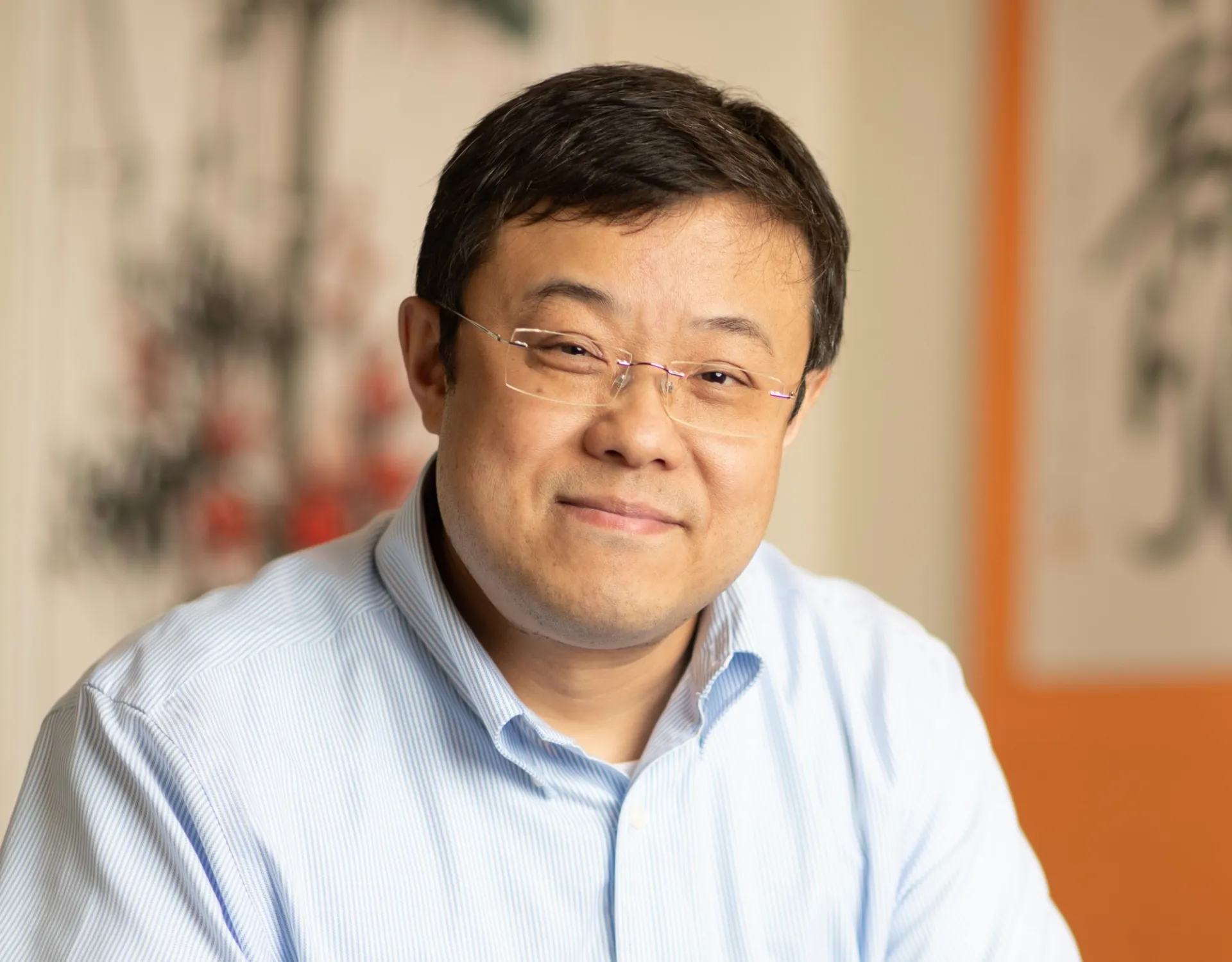
Kai He is Professor of International Relations at Griffith Asia Institute and Centre for Governance and Public Policy, Griffith University, Australia. He is a visiting Chair Professor of International Relations at the Zhou Enlai School of Government, Nankai University, China (2018-2021). He is currently an Australian Research Council (ARC) Future Fellow (2017-2020). He was a postdoctoral fellow in the Princeton-Harvard China and the World Program (2009-2010). He is the author of Institutional Balancing in the Asia Pacific: Economic Interdependence and China’s Rise (Routledge, 2009), Prospect Theory and Foreign Policy Analysis in the Asia Pacific: Rational Leaders and Risky Behavior (co-authored with Huiyun Feng, Routledge, 2013), and China’s Crisis Behavior: Political Survival and Foreign Policy (Cambridge, 2016). He is a co-editor (with Huiyun Feng) of US-China Competition and the South China Sea Disputes (Routledge, 2018) and Chinese Scholars and Foreign Policy: Debating International Relations (with Huiyun Feng and Xuetong Yan, Routledge, 2019). He is currently leading a research project “How China Sees the World” funded by the MacArthur Foundation, USA (2016-2019).
Photo Credit: https://pixabay.com/users/viarami-13458823/