"How Beijing Approaches Crisis Management" - By CWP Joel Wuthnow
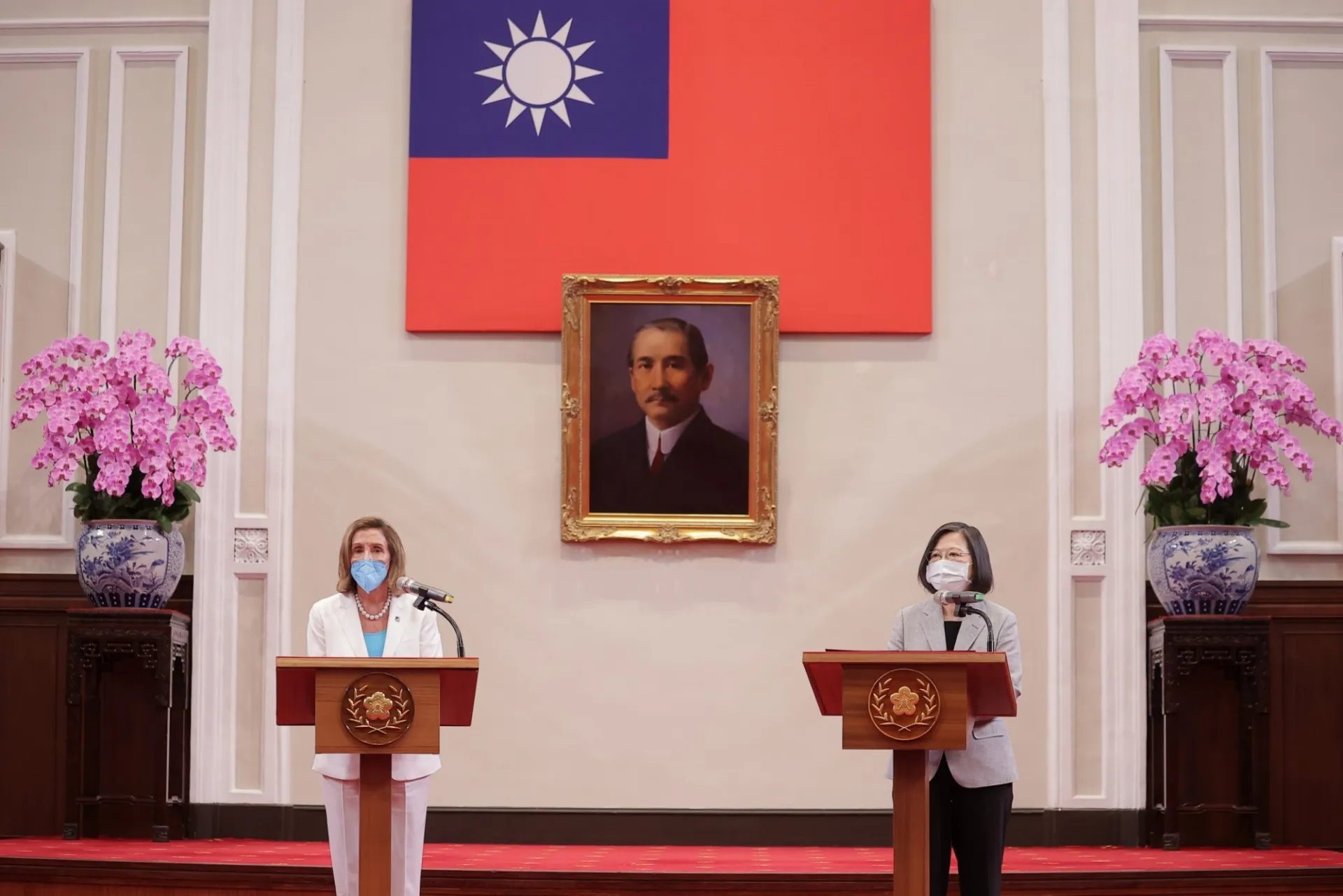
U.S.-China military relations reached a low point following Speaker of the House Nancy Pelosi’s August 2022 visit to Taiwan, when Beijing suspended three initiatives: the Military Maritime Consultative Agreement, which is a forum to discuss dangerous maritime and air encounters between U.S. and Chinese forces; a proposed dialogue between theater commanders, who oversee those forces; and the annual Defense Policy Coordination Talks, in which the two sides discuss security challenges and negotiate an annual engagement plan. This wasn’t the first time that political posturing has derailed military-to-military talks, but the stakes are higher than ever—with an intensifying competition between Washington and Beijing, such channels can be useful in preventing and managing conflicts.
The benefits of conflict management have been internalized by some members of China’s strategic community, judging by contributions from three scholars: Zhang Tuosheng, a think tank expert who has frequently called for upgraded U.S.-China security dialogues and confidence-building measures; Liu Siwei, a Sichuan University academic who has applied the logic of risk reduction to Sino-Indian tensions; and Xiamen University professor Chen Xiancai, writing in a Taiwan context. All three recognize the dangers in allowing tensions between China and its adversaries to fester without installing safety valves and off-ramps. Their concern is not theoretical but rooted in practical interests: any conflict originating in accidents or miscalculations could bring grave harm to China’s own development.
PUBLISHED - Nov 22, 2022 BY - Amanda Hsiao, Sungmin Cho and Joel Wuthnow\
Senior research fellow, Center for the Study of Chinese Military Affairs, Institute for National Strategic Studies, National Defense University
Photo Credit: By 總統府 - 08.03 總統與美國聯邦眾議院議長裴洛西媒體互動會, CC BY 2.0, https://commons.wikimedia.org/w/index.php?curid=121370722