CWP Director and alum on "Assessing Xi’s Unprecedented Purges of China’s Military: Key Developments and Potential Implications"
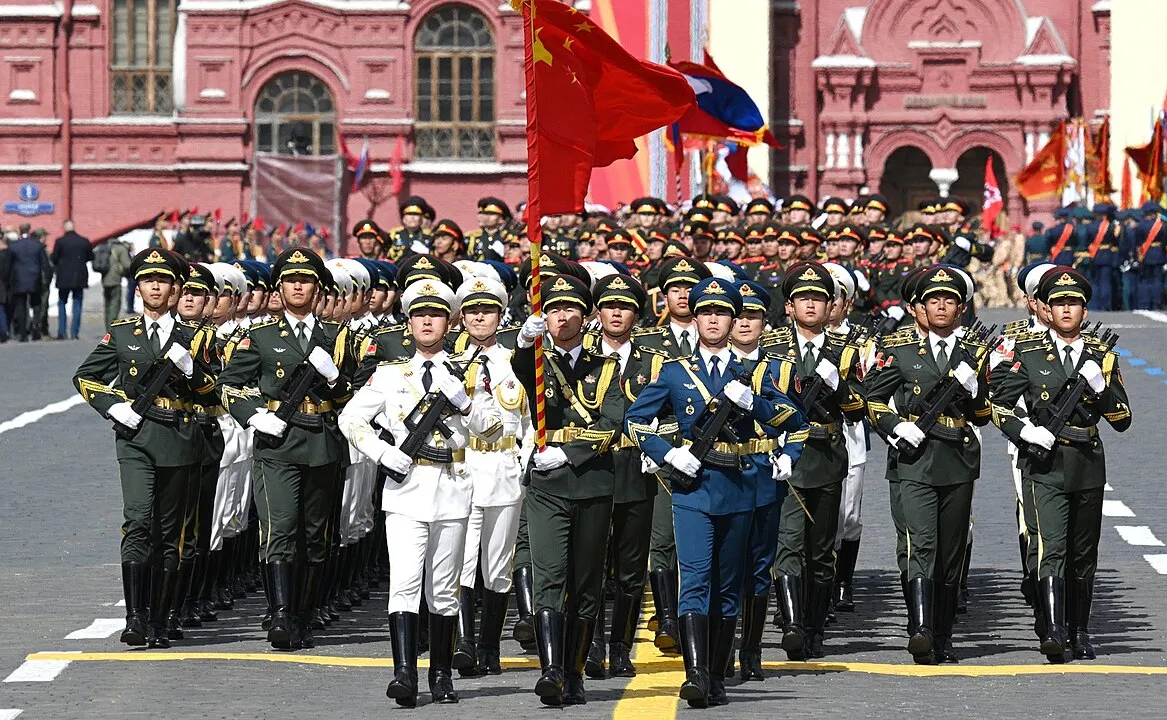
On January 24, 2026, China’s Ministry of National Defense announced that the military’s top general, Zhang Youxia, and the chief of the Joint Staff Department, Liu Zhenli, had been placed under investigation for serious disciplinary and legal violations. The downfall of these two senior generals marks the most dramatic move yet in Xi Jinping’s years-long campaign to gut the leadership of the People’s Liberation Army (PLA). The removal of Zhang, Liu, and several other generals from the Central Military Commission (CMC) has left only one general, Zhang Shengmin, serving on China’s top military decisionmaking body alongside Xi. However, the purges within the CMC are only the tip of the iceberg. Since 2022, over 100 senior PLA officers from across virtually all areas of the armed forces have been swept aside or gone missing, amounting to an unprecedented purge of China’s military.
What Does Zhang Youxia’s Arrest Mean?
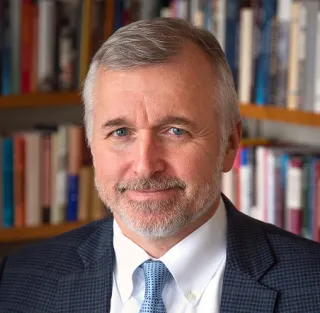
By Thomas J. Christensen
The detention of Zhang Youxia was the capstone arrest of the greatest series of purges in the history of China’s PLA. Only one general is left on the Central Military Commission. Other high-level officers—including the chairman of the Joint Staff Department, the commanders of regional combat commands, the rocket force commander, and a former acquisitions chief and minister of national defense—have been removed. General Zhang was accused of corruption. This is a red herring. The entire PLA has long been corrupt, and anyone toward the top of that order has used bribery, received bribes, and/or witnessed and tolerated bribery.
Xi’s Purge and the PLA’s Leadership Void
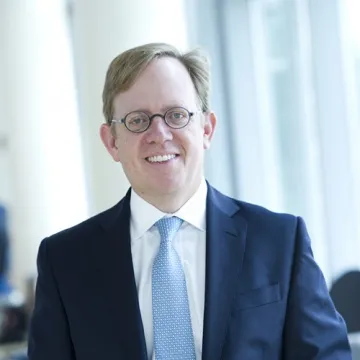
By M. Taylor Fravel
The second wave of purges of senior PLA officers by Xi Jinping is unprecedented in the history of the PLA. The Chinese Communist Party’s Central Military Commission, which oversees China’s armed forces, has been organizationally decapitated. Of the six generals named to the CMC in 2022, only one remains. Additionally, he is a political commissar whose career has focused on discipline and personnel issues, not military operations and training.
Short-Term Disruption Could Lead to a More Powerful PLA
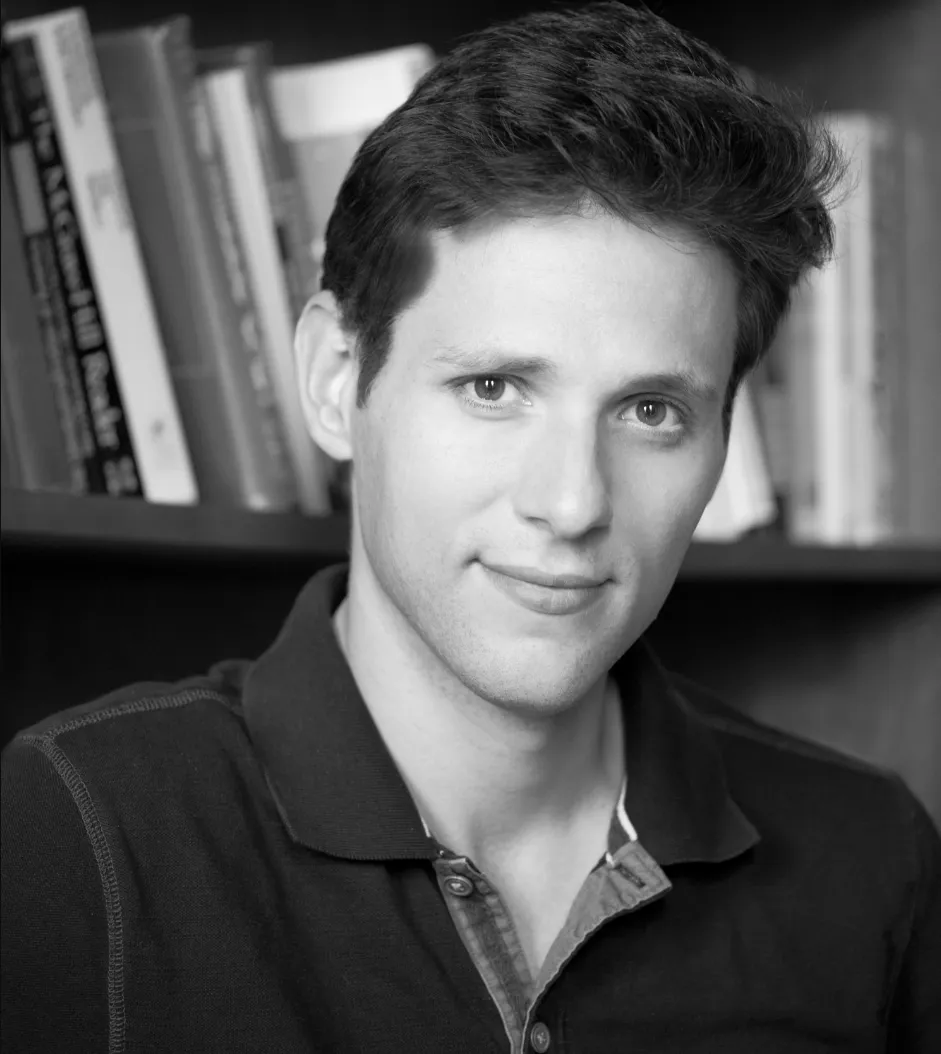
By Joel Wuthnow
There is little question that recent purges have disrupted command and control of the PLA. The Central Military Commission has ceased to function as an effective decisionmaking body, reduced to just Xi Jinping and anti-corruption czar Zhang Shengmin. As the CSIS Database on Chinese Military Purges makes clear, there are also many key operational and administrative posts at lower tiers that are vacant or only recently filled. These include theater commands, service headquarters, and key national level departments such as for training and the joint staff.
Report by Bonny Lin, Brian Hart, Thomas J. Christensen, John Culver, Jonathan A. Czin, Suyash Desai, M. Taylor Fravel, Allie Matthias, and Joel Wuthnow
Thomas J. Christensen is Professor of Public and International Affairs and Director of the China and the World Program at Columbia University. He arrived in 2018 from Princeton University where he was William P. Boswell Professor of World Politics of Peace and War, Director of the Princeton-Harvard China and the World Program, and faculty director of the Masters of Public Policy Program and the Truman Scholars Program. From 2006-2008 he served as Deputy Assistant Secretary of State for East Asian and Pacific Affairs with responsibility for relations with China, Taiwan, and Mongolia. His research and teaching focus on China’s foreign relations, the international relations of East Asia, and international security. His most recent book is Lost in the Cold War: The Story of Jack Downey, America’s Longest-Held POW (Columbia Univ. Press, 2022). His earlier book, The China Challenge: Shaping the Choices of a Rising Power (W.W. Norton) was an editors’ choice at the New York Times Book Review, a “Book of the Week” on CNN”s Fareed Zakaria GPS, and the Arthur Ross Book Award Silver Medalist for 2016 at the Council on Foreign Relations. Professor Christensen has also taught at Cornell University and MIT. He received his B.A. with honors in History from Haverford College, M.A. in International Relations from the University of Pennsylvania, and Ph.D. in Political Science from Columbia University. He has served on the Board of Directors and the Executive Committee of the National Committee on U.S.-China Relations, as co-editor of the International History and Politics series at Princeton University Press, and as a member of the Academic Advisory Committee for the Schwarzman Scholars Program. He is currently the Chair of the Editorial Board of the Nancy B. Tucker and Warren I. Cohen Book Series on the United States in Asia at Columbia University Press. Professor Christensen is a life member of the Council on Foreign Relations and a Non-Resident Senior Scholar at the Brookings Institution. He was presented with a Distinguished Public Service Award by the United States Department of State.
Photo Credit: https://www.csis.org/analysis/assessing-xis-unprecedented-purges-chinas-military-key-developments-and-potential