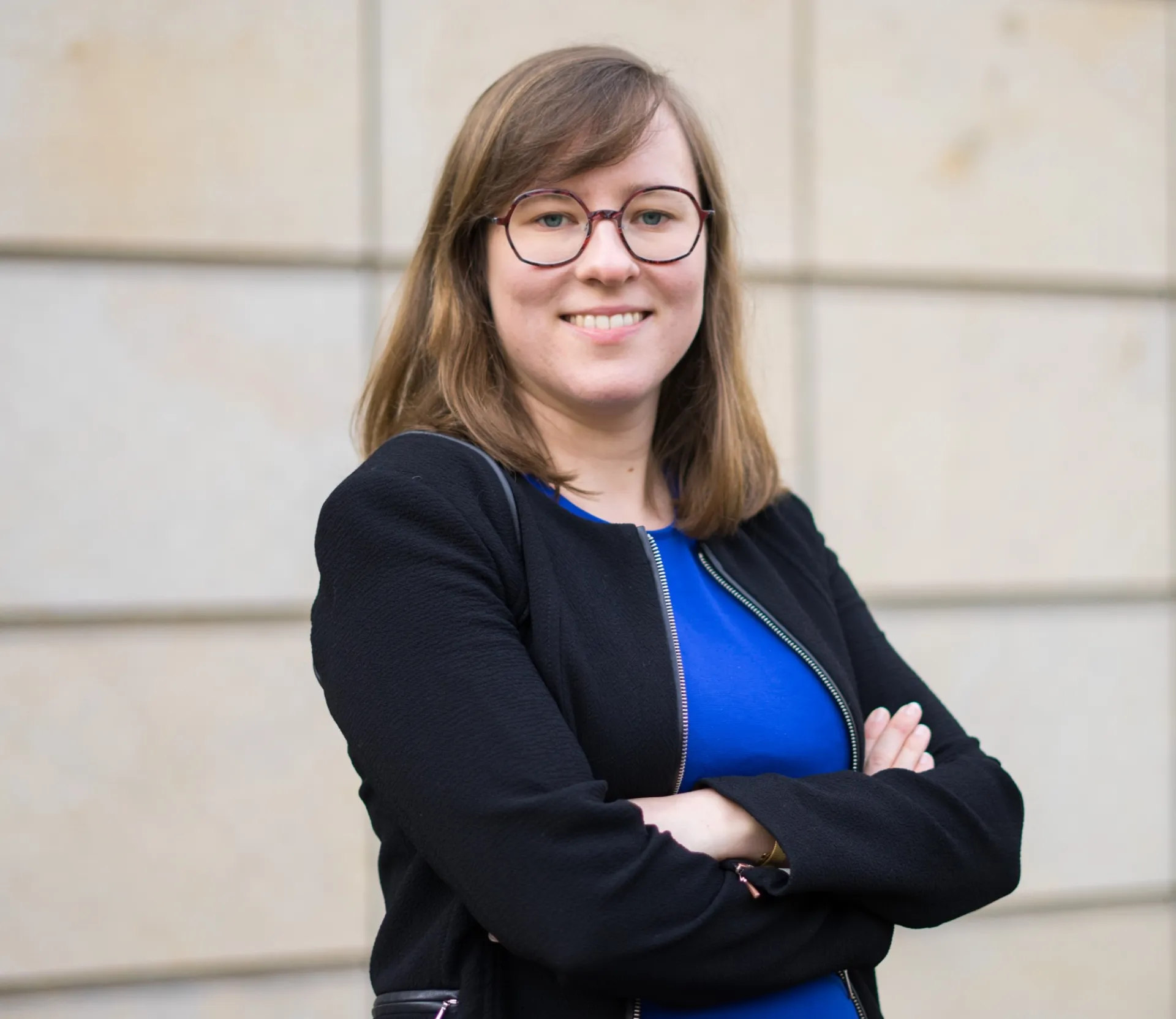
"Competing ambitions regarding the global governance of artificial intelligence: China, the US, and the EU" - by CWP alum Sabine Mokry

As artificial intelligence (AI) technologies are developed and used across borders and have the potential to transform societies worldwide, global regulation thereof becomes necessary. However, key differences exist in how the leading players in the field, China, the United States, and the EU, view these technologies and approach their regulation. This article traces their respective ambitions on the global governance of AI technologies. It asks how the three each envision the latter as well as their role therein. Drawing on frame analysis, we find that while concrete ideas for coordinating regulation attempts seem to be of secondary importance, all three actors feel the need to position themselves within the new race for leadership on AI regulation. This results in a flurry of suggested proposals on how AI should be regulated internationally. Only recently have the actors started to reflect on why global regulation is necessary and to highlight the respective benefits of their proposal. Amidst current geopolitical tensions, the global regulation of AI has become an instrument of global power ambitions. Such competition bears huge risks for the further fragmentation of the global institutional architecture as well as for deepening tensions between China, the US, and the EU.
Sabine Mokry, Julia Gurol - First published: 05 September 2024 - https://doi.org/10.1111/1758-5899.13444
Vita
Sabine Mokry is a researcher in the research and transfer project Arms Control and Emerging Technologies. She holds a PhD in Political Science from Leiden University (Netherlands). For the 2023-2024 academic year, she was a postdoctoral fellow in the Columbia-Harvard China and the World Program. Before pursuing her PhD, she worked at the Mercator Institute for China Studies (MERICS) as a research associate focusing on China’s foreign and security policy. She studied International Relations and China Studies at the University of Passau, Free University Berlin and at Nanjing University (China).
Sabine Mokry ist wissenschaftliche Mitarbeiterin im Forschungs- und Transferprojekt Rüstungskontrolle und Neue Technologien. 2023 wurde sie an der Universität Leiden (Niederlande) in Politikwissenschaft promoviert. Von 2023 bis 2024 war sie Postdoc im Columbia-Harvard China and the World Program. Vor ihrer Promotion arbeitete sie am Mercator Institut für Chinastudien in Berlin. Sie studierte Internationale Beziehungen und Politikwissenschaft an der Universität Passau, der Freien Universität Berlin und an der Universität Nanjing (China).
Photo Credit: