"To Compete With China, The United States Needs To Fix Immigration" - By CWP Alum Manjari Chatterjee Miller
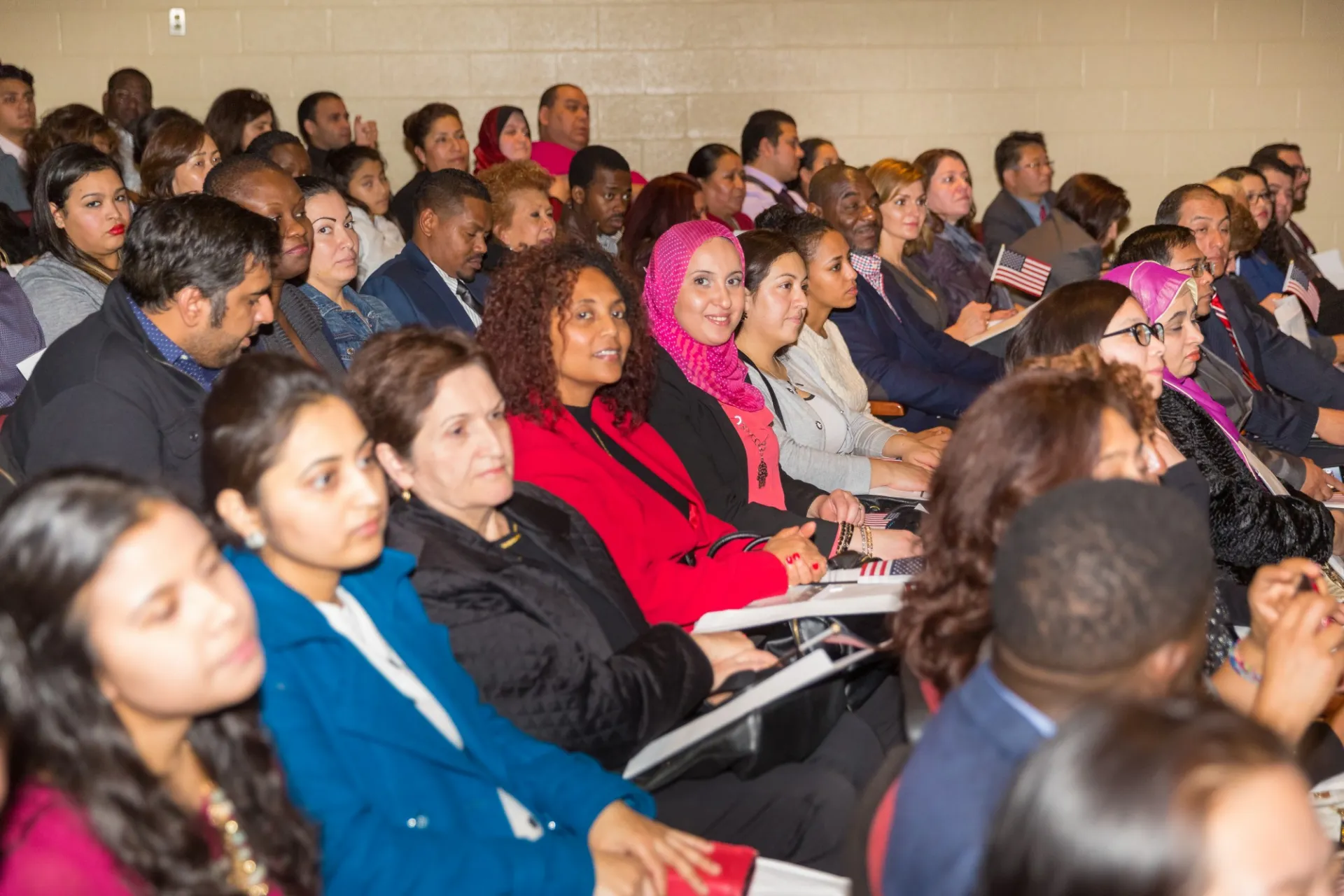
In the last decade, India has gone from a country with which the United States had an uneasy, prickly relationship, to one of being its most important strategic and economic partners. A significant reason for this change is their shared perception of China as an enormous threat and competitor. Consequently, the relationship has focused much attention on countering that threat through cooperation via the Quadrilateral Security Dialogue (the “Quad”) on issues such as health and disaster preparedness, mutual defense agreements, and emerging technologies. Yet one of the most important tools available to the United States to counter China through this partnership is in jeopardy: U.S. immigration policy vis-à-vis Indian citizens.
The history of Indian immigration to the United States dates back to the nineteenth century. Up until World War II, Indian immigrants were mostly low-skilled migrant workers. This pattern changed by the mid-twentieth century, when Indians flocked to the United States to study or work white-collar jobs. In India, this phenomenon was often dubbed the “brain drain,” as India’s best and brightest left to settle in the United States. Today, Indians constitute the second-largest immigrant group in the United States after Mexicans, and the highest-earning ethnic group in the country. But decades of legal and skilled Indian immigration have run into huge structural and bureaucratic problems, jeopardizing U.S. needs in higher education and research, particularly in the science and technology sectors.
Blog Post by Manjari Chatterjee Miller - February 27, 2023 11:06 am (EST)
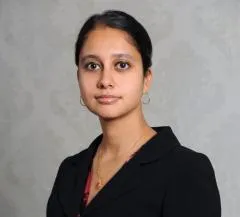
Manjari Chatterjee Miller is senior fellow for India, Pakistan, and South Asia at the Council on Foreign Relations (CFR). She is also a research associate in the Contemporary South Asian Studies Programme at the Oxford School of Global and Area Studies at the University of Oxford. An expert on India, China, South Asia, and rising powers, she is the author of Why Nations Rise: Narratives and the Path to Great Power (2021, shortlisted for the 2022 Hedley Bull Prize in International Relations) and Wronged by Empire: Post-Imperial Ideology and Foreign Policy in India and China (2013). Miller is also the co-editor of the Routledge Handbook of China-India Relations (2020), a monthly columnist for the Hindustan Times, and a frequent contributor to policy and media outlets in the United States and Asia.
Photo Credit: By US Department of Labor - L-15-12-22-A-036, CC BY 2.0, https://commons.wikimedia.org/w/index.php?curid=51161173