"China Doesn’t Want A Geoengineering Disaster" - By CWP Alum Eyck Freymann
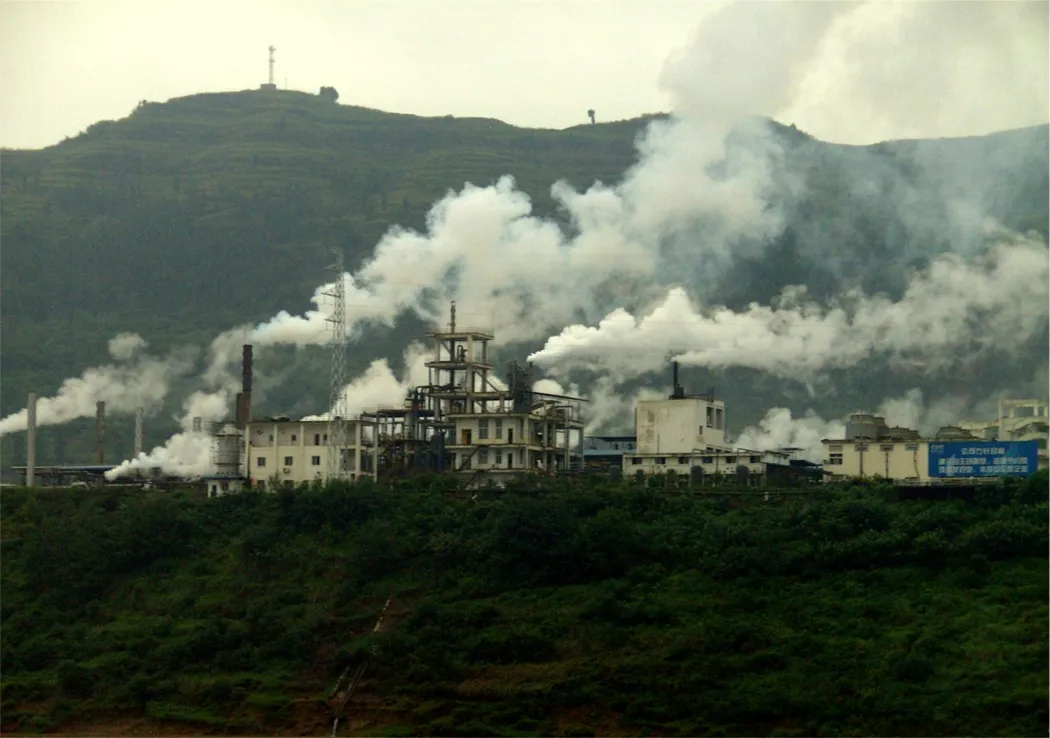
For three decades, geopolitical wrangling between the two largest carbon emitters, China and the United States, has stymied every major global climate accord. But even reconciliation between Washington in Beijing is unlikely to avert a grim prognosis. A 2021 study in Science suggests that to achieve the global Paris Agreement goal of holding atmospheric warming below 1.5 degrees Celsius, China’s emissions would have to peak almost immediately and then plummet. All but the most optimistic observers doubt that this will happen.
In high-emissions scenarios, the cost of adaptation to a warming planet could reach $500 billion annually in developing countries alone by 2050, according to United Nations estimates. Most countries lack the financial resources, expertise, and long-term political will to adapt effectively. Even China, which has boldly set a target of becoming a “climate-resilient society” by 2035 knows that it cannot totally insulate itself from the global impacts of rapid warming, which could include food price shocks and mounting instability in the developing world.
Beijing and Washington share an interest in rules for climate experimentation. By Scott Moore, the director of the Penn Global China Program at the University of Pennsylvania, and Eyck Freymann, the director of Indo-Pacific at Greenmantle. https://foreignpolicy.com/2023/02/21/china-geoengineering-rules-climate-change/
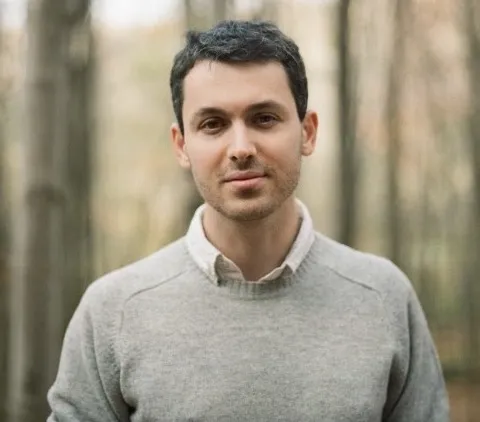
Eyck Freymann is a CWP fellow for 2022-23. Previously he was a doctoral candidate in China Studies at the University of Oxford, where he researches the geopolitics of climate change. He is Director of Indo-Pacific and global pandemic coverage at Greenmantle, a New York-based advisory firm, and a Non-Resident Research Fellow with the China Maritime Studies Institute at the U.S. Naval War College.
In the 2022–23 academic year he will be a joint Fellow at the Arctic Initiative at the Harvard Kennedy School’s Belfer Center for Science and International Affairs and the Columbia-Harvard China & the World Program.
Freymann’s first book, One Belt One Road: Chinese Power Meets the World (Harvard UP 2020), is assigned as required reading in Harvard’s “United States and China” introductory course for undergraduates. He also writes on a range of other current affairs topics, including U.S. politics and foreign policy and COVID-19. Freymann’s writing has appeared in Foreign Affairs, The Economist, and The Atlantic, among others, and he is a reporter and columnist for The Wire China.
Freymann holds two masters degrees in China Studies: the first from Harvard University and the second from the University of Cambridge, where he was a Harvard-UK Henry Scholar. He earned his bachelors degree cum laude with highest honors in East Asian History from Harvard College.
Photo Credit: By High Contrast - Own work, CC BY 2.0 de, https://commons.wikimedia.org/w/index.php?curid=4985249