"China And The Belt And Road Initiative In South Asia" - By CWP Alum Manjari Chatterjee Miller
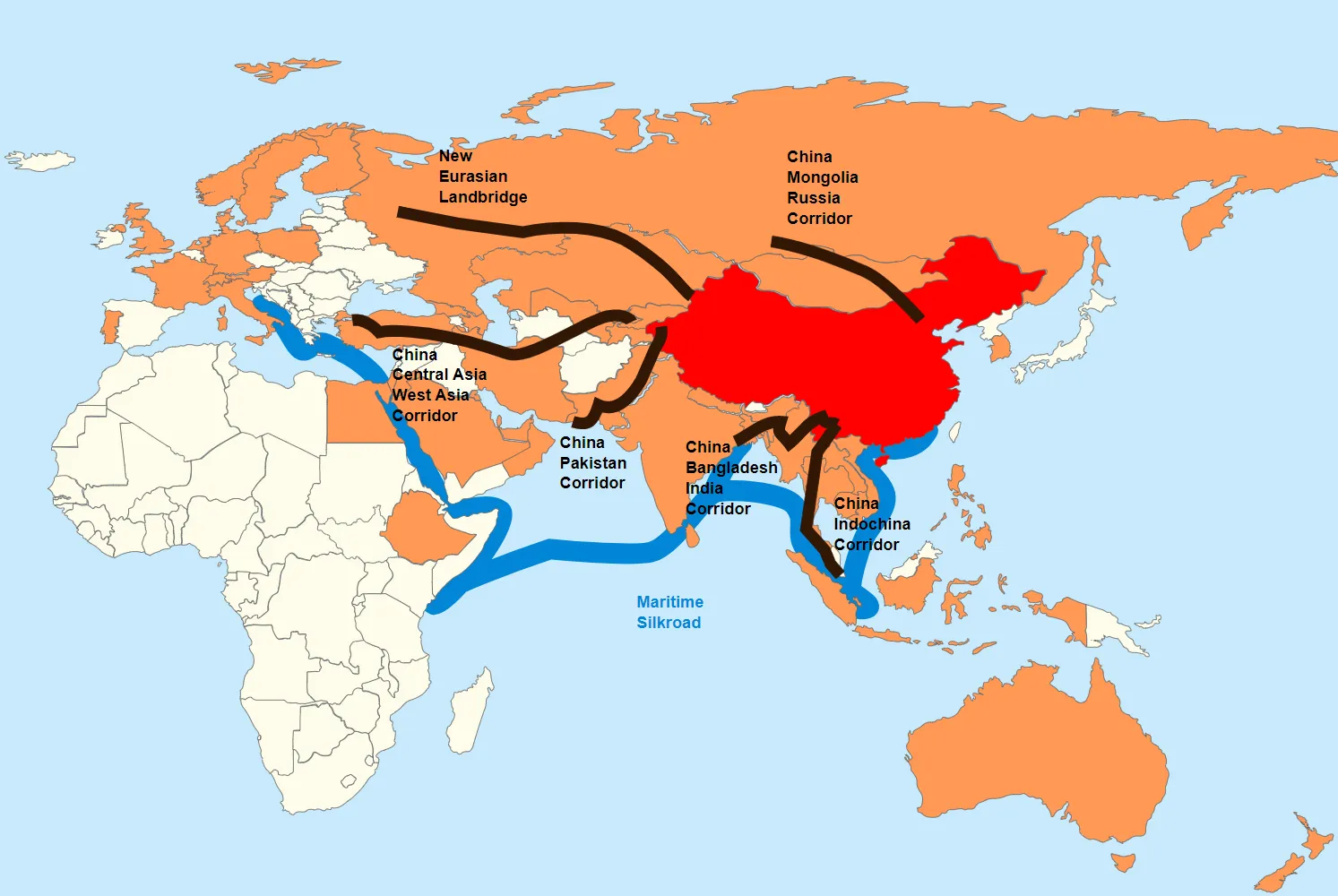
In 2013 President Xi Jinping announced the launch of two new Chinese connectivity projects: an “economic belt” along the historical Silk Road in Eurasia and a twenty-first-century Maritime Silk Road to expand cooperation between China and Southeast Asian nations. The common theme of both was to increase China’s collaboration and communication with regional nations to bolster mutual development and prosperity.
Over the next decade the Belt and Road Initiative (BRI) became a gigantic infrastructure, trade, and connectivity project, spreading beyond Eurasia and Southeast Asia to regions such as South Asia, the Middle East, and many parts of Africa. Some China watchers argued that the BRI is China’s updated and planned grand strategic vision of its historical Middle Kingdom hierarchy—China centered in a global network of connectivity where all roads (territorial and maritime) lead to Beijing. Others worried that the BRI is China’s strategic plan to gain geopolitical power by making smaller and weaker countries beholden to it indefinitely. Still others cautioned that the BRI, far from being a monolithic and well-planned-out vision, is deeply fragmented by domestic interests, diluting its effectiveness as a unified grand strategy. These arguments evaluate whether the BRI is a success or failure for China—that is, whether the BRI strengthens China’s geopolitical status and brings it economic benefits. Those factors are important, but they are China-centric. In the end, success also depends on a more neglected consideration—the recipient countries’ perceptions of China and their reception of the BRI.
https://www.cfr.org/report/china-and-belt-and-road-initiative-south-asia -
Publisher –Council on Foreign Relations Press Release Date –Jun 2022 Pages –38 ISBN 978-0-87609-702-1
Manjari Chatterjee Miller is senior fellow for India, Pakistan, and South Asia at the Council on Foreign Relations (CFR). She is also a research associate in the Contemporary South Asian Studies Programme at the Oxford School of Global and Area Studies at the University of Oxford. An expert on India, China, South Asia, and rising powers, she is the author of Why Nations Rise: Narratives and the Path to Great Power (2021) and Wronged by Empire: Post-Imperial Ideology and Foreign Policy in India and China (2013). Miller is also the co-editor of the Routledge Handbook of China-India Relations (2020), a monthly columnist for the Hindustan Times, and a frequent contributor to policy and media outlets in the United States and Asia.
Photo Credit: By Lommes - Own work, CC BY-SA 4.0, https://commons.wikimedia.org/w/index.php?curid=58884083