"22. National Security And Chinese Foreign Policy" - By CWP Alum Xiaoyu Pu
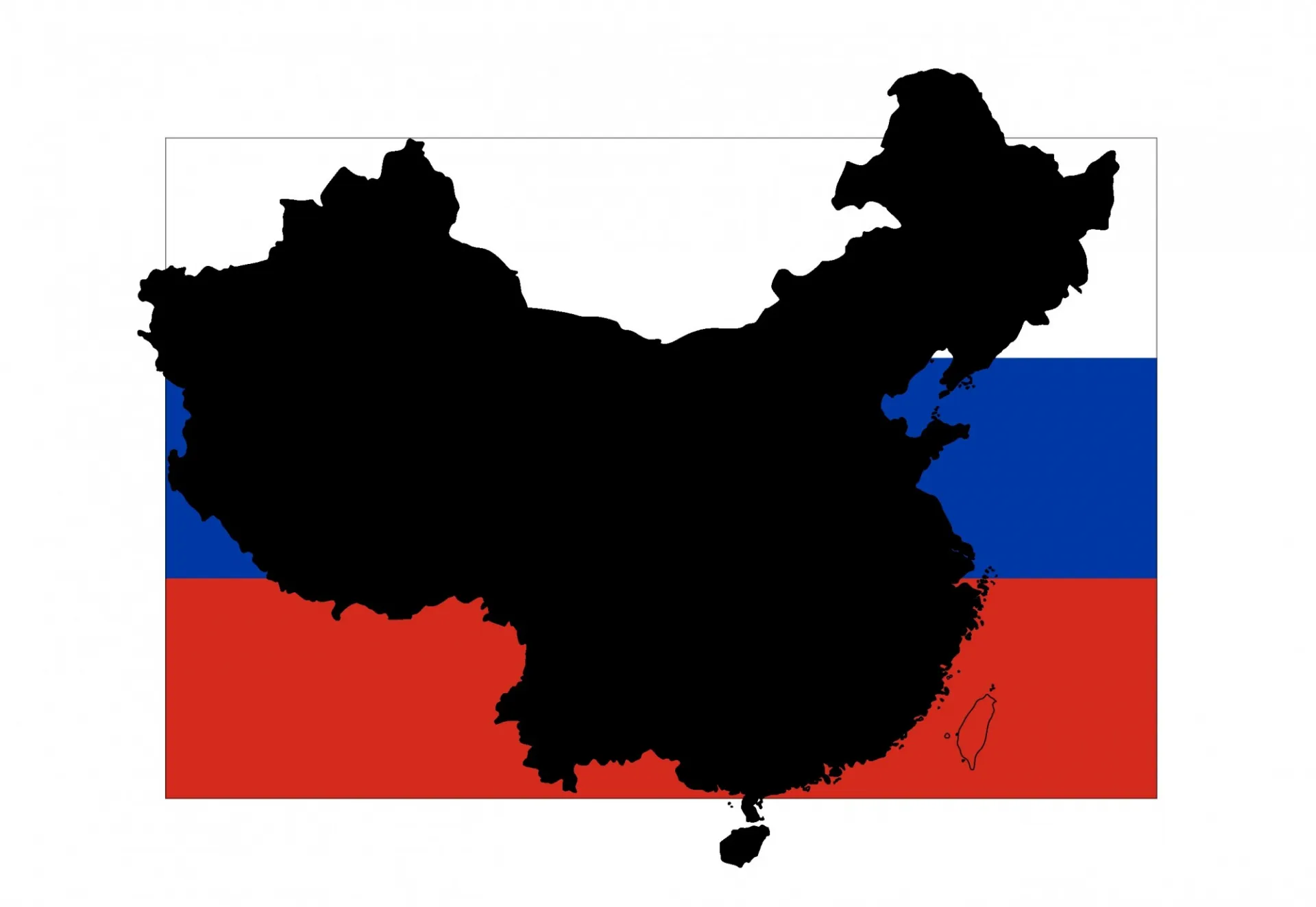
After the Russian invasion of Ukraine in February 2022, Beijing’s refusal to condemn Moscow generated an international backlash, especially in the U.S. and Europe. A New York Times article, for instance, speculated that Chinese officials knew about Putin’s military plan but asked Russia to delay the invasion until after the Beijing Winter Olympics (Wong and Barnes 2022). Almost two weeks later, the Chinese ambassador to the United States, Qin Gang, finally stated Beijing’s position. Qin emphasised that Beijing did not have prior knowledge of Putin’s plan and would not support the war (Qin 2022). The perception of Beijing’s potential colluding with Putin certainly damaged China’s reputation in the eyes of the elites and public in the West. Whilst China’s partnership with Russia is strategically important, it also damages Beijing’s broad economic ties with Europe and the U.S. that are even more essential for the Communist Party of China (CPC) to continue delivering economic growth. This chapter will show how the CPC’s evolving notion of national security increasingly shapes the conflicting interests and incentives that inform Chinese foreign policy. It is widely recognised that Beijing has a hierarchy of security concerns with regime security at the top. Beijing must also balance competing incentives, including potential tension between security interests and economic development.
https://epress.nus.edu.sg/cpcfutures/9789811852060-22.pdf - https://epress.nus.edu.sg/cpcfutures/
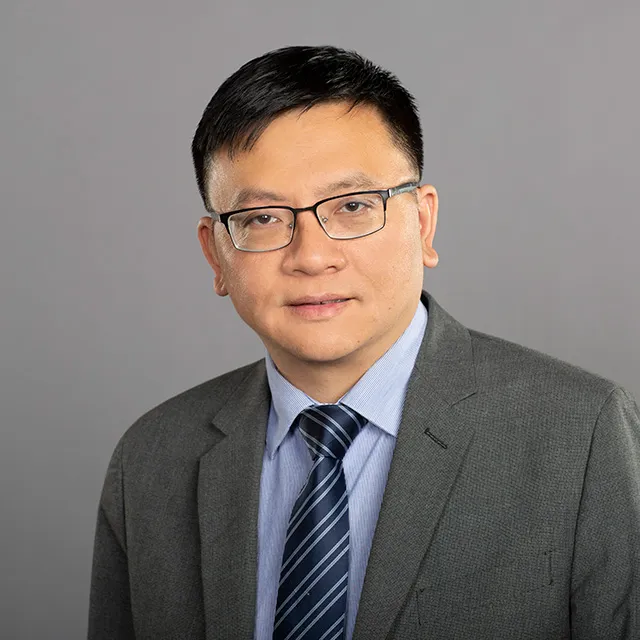
Xiaoyu Pu is an associate professor of political science at the University of Nevada, Reno. He is a member of the Public Intellectuals Program of the National Committee on United States-China Relations (NCUSCR). He has also received fellowships from the Inter-American Dialogue in Washington D.C., Fundação Getulio Vargas (FGV) in Brazil and the China and the World Program at Princeton University. He is the author of Rebranding China: Contested Status Signaling in the Changing Global Order (The Studies in Asian Security Series, Stanford University Press, 2019). His research has appeared in International Security, International Affairs, The China Quarterly, and The Chinese Journal of International Politics. He is an associate editor of The Chinese Journal of International Politics and an editorial board member of Foreign Affairs Review (Beijing).
Photo Credit: https://pixabay.com/users/geralt-9301/